
What Is Viscose Material for Rugs?
Viscose rugs occupy a fascinating space in interior design, sitting somewhere between indulgence and restraint. They are chosen not because they shout luxury, but because they whisper it. In a well-considered home, viscose introduces softness and light in a way that feels deliberate rather than decorative. It is a material that responds to atmosphere, to daylight, to the way a room is actually lived in rather than staged. Understanding viscose is less about fiber science and more about how it behaves emotionally within a space.
At first glance, viscose often passes for silk, and that resemblance is no accident. Its subtle sheen catches the light in shifting ways, creating tonal depth that feels fluid and alive. This quality makes viscose especially compelling in interiors that value nuance over contrast. Instead of bold patterns or aggressive textures, viscose rugs reward patience and observation. They reveal themselves slowly, changing mood as the day unfolds and light moves across the floor.
The Nature of Viscose and Its Visual Language
Viscose is a regenerated fiber, derived from natural cellulose but refined into a form that allows for remarkable softness and luster. What matters most from a design perspective is not its origin story, but its visual behavior. Viscose fibers reflect light unevenly, which creates a gentle striation across the surface of a rug. This effect gives even solid-colored rugs a sense of movement and depth. In minimalist interiors, this can be transformative, preventing spaces from feeling flat or overly austere.
Because viscose reacts so clearly to light, it tends to feel more at home in rooms that already embrace softness. Think filtered daylight, linen curtains, plastered walls, and furniture with rounded edges. In such settings, a viscose rug does not compete for attention but quietly elevates everything around it. It becomes part of the architecture of the room rather than an accessory layered on top. This is why designers often reach for viscose when they want refinement without heaviness.
How Viscose Feels Underfoot and in Daily Life
Beyond its appearance, viscose offers a tactile experience that is central to its appeal. Underfoot, it feels smooth and cool, with a softness that is immediately noticeable but never plush or bulky. This makes it particularly suited to formal living rooms, bedrooms, or spaces designed for quiet moments rather than constant activity. Viscose does not invite rough use, and it is honest about that. Instead, it asks to be part of a calmer rhythm of living.
In daily life, viscose rugs encourage a certain mindfulness. You become aware of how you move through a space, how furniture is placed, how light and shadow interact with the floor. This is not a drawback, but rather part of their charm. In homes where intention matters more than convenience, viscose feels aligned with the broader philosophy. It supports a lifestyle that knows when to slow down.
Viscose in the Context of Modern Interiors
Viscose has become especially relevant in contemporary interiors that blur the line between modern and classic. Its sheen complements clean-lined furniture, while its softness tempers the sharpness of modern architecture. In neutral palettes, viscose rugs add complexity without introducing new colors. This makes them ideal for spaces where restraint is key and every material choice carries weight.
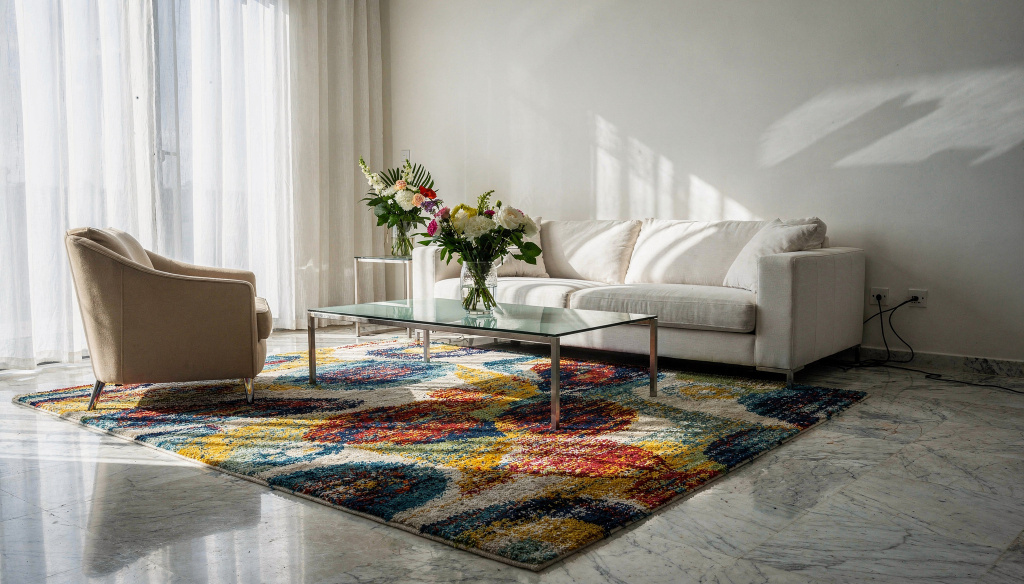
Designers often use viscose rugs to anchor rooms that feature stone, glass, or metal. Against these harder surfaces, viscose offers contrast through texture rather than pattern. The result feels balanced and considered, never cold. This interplay is particularly effective in urban apartments or modern villas where architecture can otherwise dominate the interior narrative.
Comparing Viscose with Similar Fibers
Viscose is often discussed alongside other silk-like fibers, each with its own personality. Materials such as bamboo silk and Tencel share a similar visual elegance, yet they differ subtly in feel and performance. Bamboo silk tends to have a slightly more uniform sheen, while Tencel offers a smoother, more controlled surface. Viscose, by contrast, feels a bit more expressive, with light catching its fibers in less predictable ways.
Choosing between these materials is less about hierarchy and more about intention. A home that values warmth and organic imperfection may gravitate toward viscose. Spaces that prioritize durability alongside softness might lean toward alternatives like bamboo-derived fibers or botanical textiles. What unites them all is a desire for elegance without ostentation.
Where Viscose Rugs Belong Most
Viscose rugs shine brightest in spaces that are designed to be seen and felt, but not heavily trafficked. Living rooms used for conversation, bedrooms meant for retreat, and private lounges all provide the right environment. In these settings, viscose can age gracefully, developing character rather than wear. Its surface reflects the life of the room rather than resisting it.
In open-plan homes, viscose rugs can also be used to define zones without visual noise. Their subtle sheen distinguishes one area from another while maintaining cohesion. This is particularly effective in neutral interiors where contrast is achieved through material rather than color. Viscose becomes a quiet marker of intention.
Care, Patina, and the Passage of Time
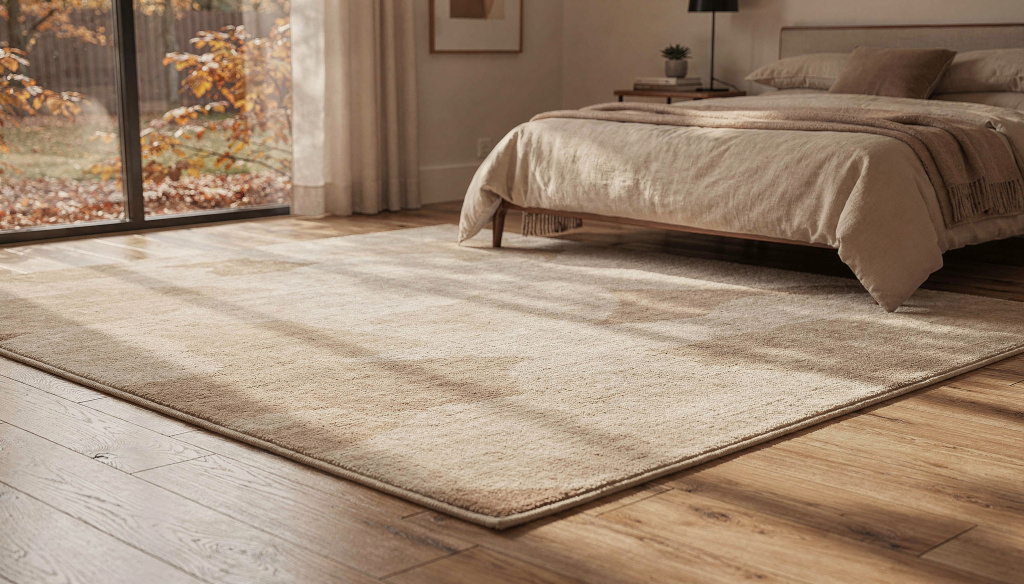
Viscose rugs require a different mindset when it comes to care. They are not fragile, but they are sensitive, especially to moisture and heavy abrasion. Over time, their surface may develop shading and variation, particularly in areas where movement is frequent. For some, this is a flaw; for others, it is a patina that tells the story of the space.
In design-led homes, this evolution is often welcomed. It aligns with the broader appreciation for materials that change rather than remain static. Viscose rewards owners who see beauty in nuance and are comfortable with subtle imperfection. It is a material that matures alongside the home rather than staying frozen in its first impression.
Designing with Intention
Choosing a viscose rug is ultimately an aesthetic decision rooted in mood rather than metrics. It speaks to a preference for softness, light, and understated luxury. In interiors where every element has been carefully edited, viscose feels like a natural extension of that philosophy. It does not dominate, but it is never invisible.
Collections that explore viscose thoughtfully often balance tradition and innovation. Curated selections such as refined viscose floor pieces demonstrate how versatile the material can be when handled with restraint. When paired with considered craftsmanship, viscose becomes less about trend and more about timeless atmosphere.
Viscose as Part of a Broader Rug Story
In homes where rugs are layered thoughtfully across rooms, viscose often plays a supporting but crucial role. It might appear in a bedroom while wool anchors the living area, or in a formal sitting room while more robust fibers serve family spaces. This layered approach allows each material to do what it does best. Viscose contributes elegance without being asked to perform beyond its strengths.
Design houses that understand this balance often produce collections that integrate viscose seamlessly. Carefully selected ranges such as European-designed rug collections show how viscose can coexist with other fibers in a coherent interior narrative. The result feels curated rather than matched.
Ultimately, viscose rugs are about choice and awareness. They appeal to those who value atmosphere, texture, and the quiet luxury of materials that reveal themselves over time. In the right setting, viscose does not just decorate a room; it shapes how that room is experienced. That is its true value in interior design.