Shopping Basket
You have no items in your shopping basket.


Wishlist
Your wishlist is currently empty
In 1955, Mario Bosoni started working with sisal in Piacenza — a natural fibre that most of the furniture industry had not yet taken seriously as a design material. That instinct for looking at raw materials differently stayed with the company through the decades. Formally established as Sitap in 1993, it was reshaped again in 2014 when Barbara Trombatore joined as CEO and Creative Director alongside her husband Gian Mario Bosoni. Under her direction the brand reoriented its frame of reference away from the rug industry entirely, toward Italian fashion — not as a marketing concept, but as a genuine working method.
Collections are seasonal. Design decisions come from an in-house studio called Centro Stile. The creative process draws on the same sources that inform Italian haute couture: travel, architecture, fabric culture, art. The brand's showroom in Pontenure, between Milan and Parma, is reportedly the largest rug showroom in Europe. The name Carpet Couture Italia is not decorative — it describes how the company actually operates.
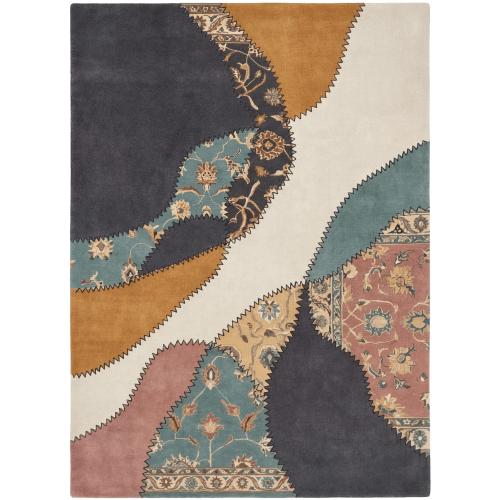
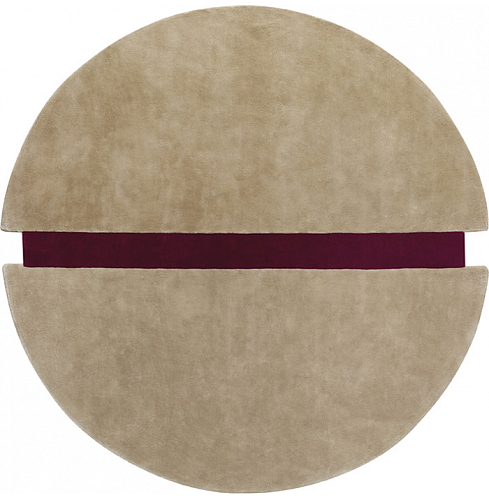
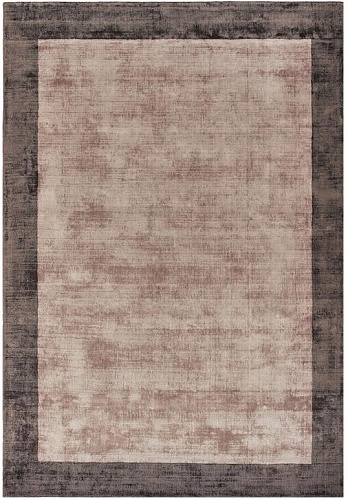
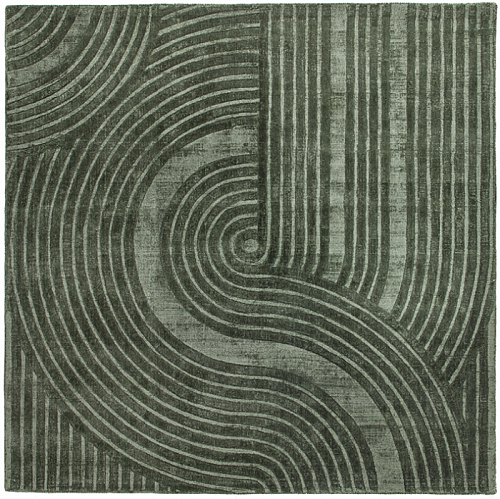
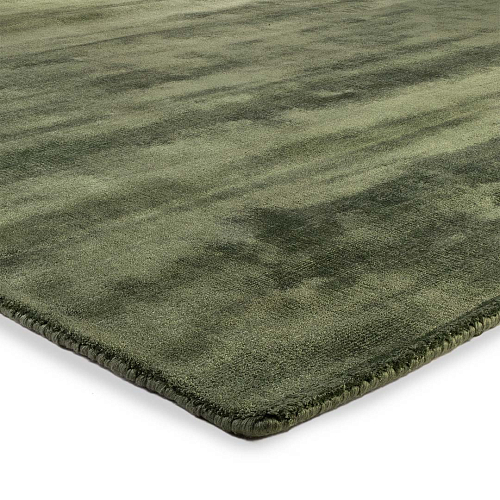
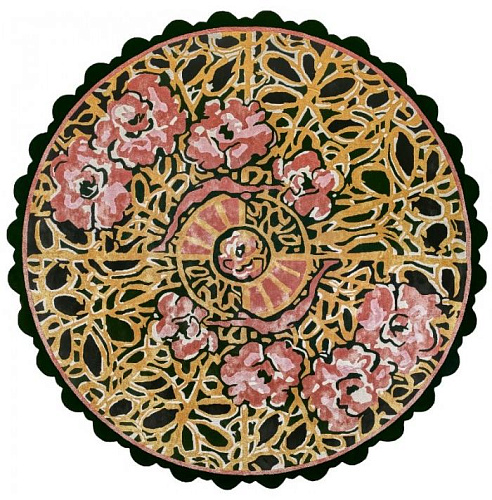
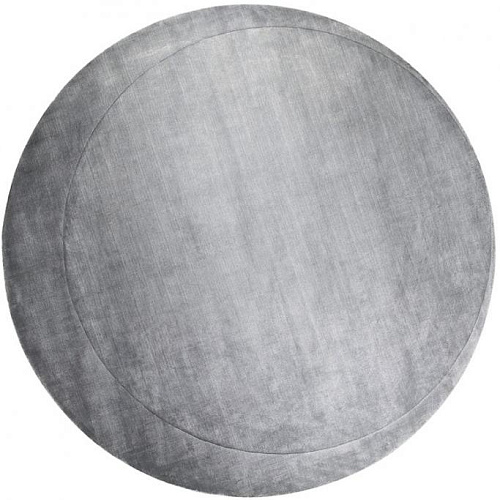
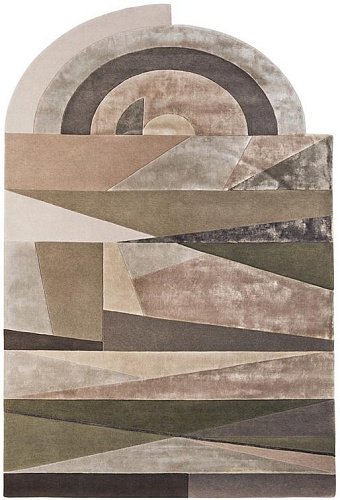
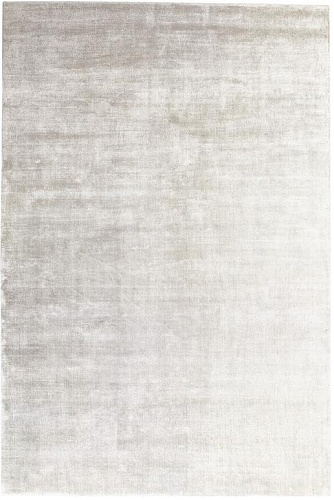
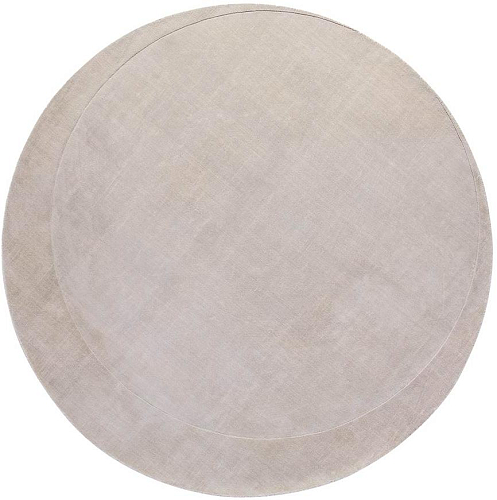
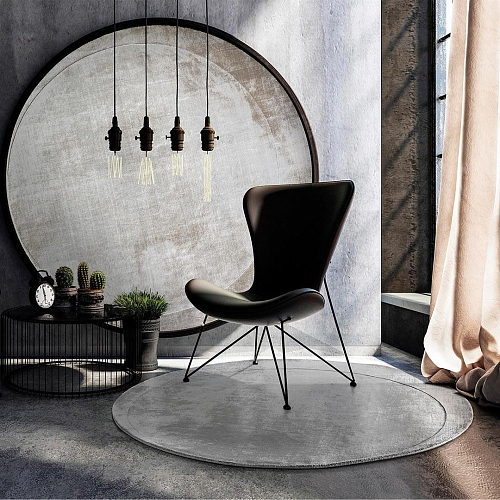
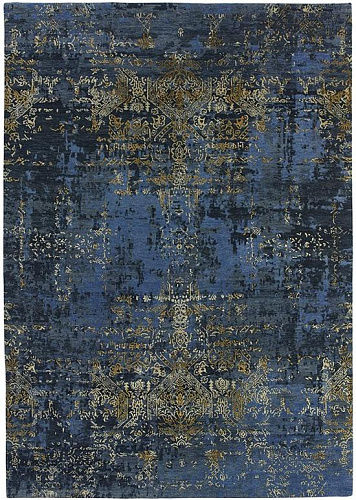
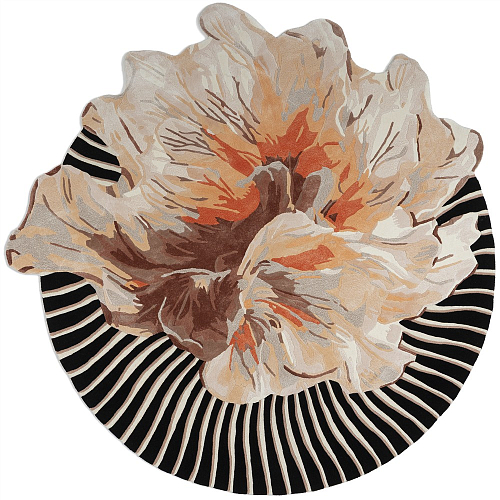
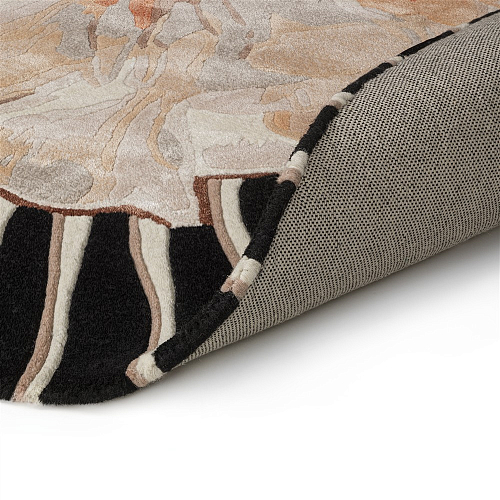
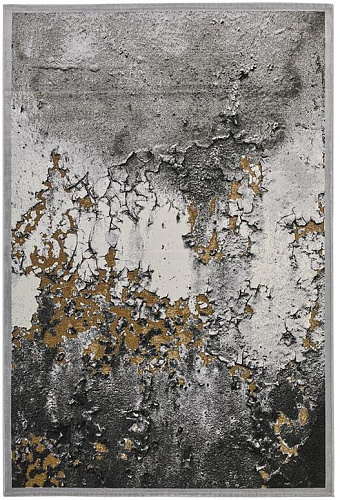
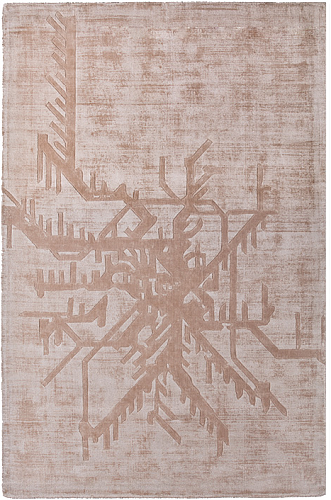
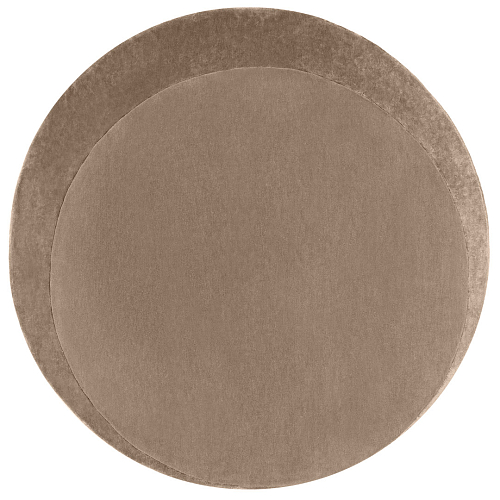
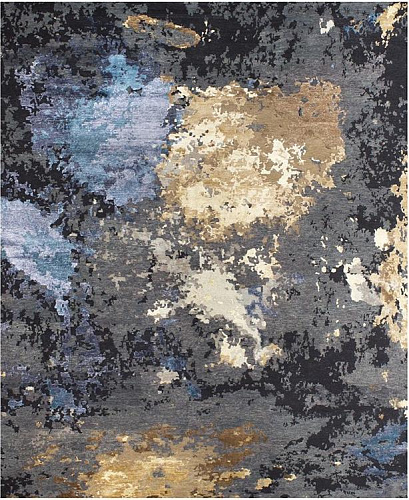
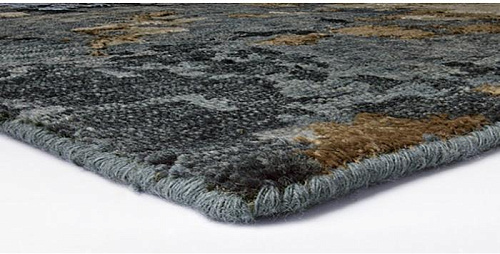
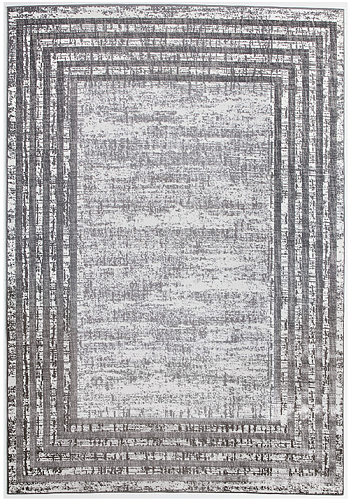
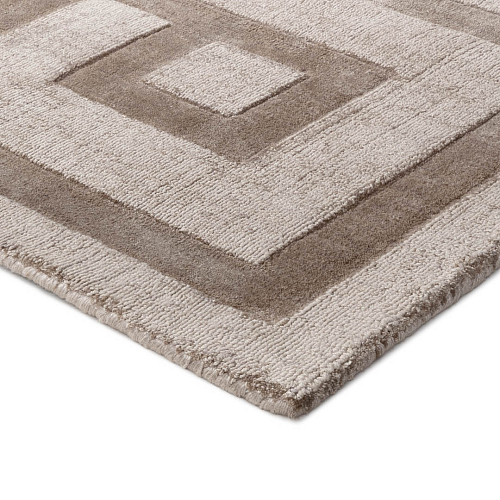
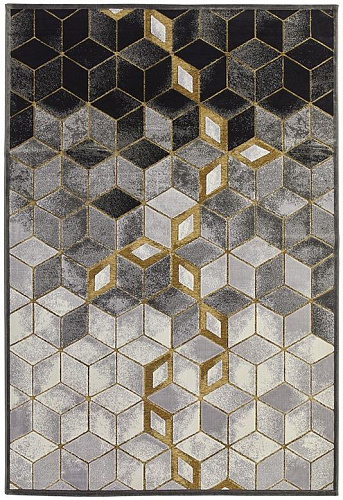
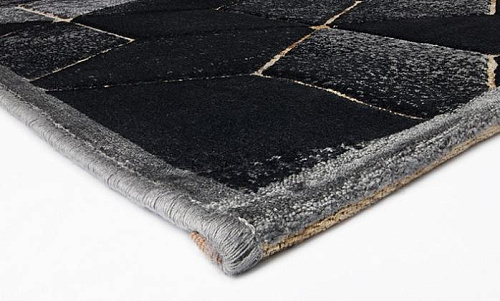
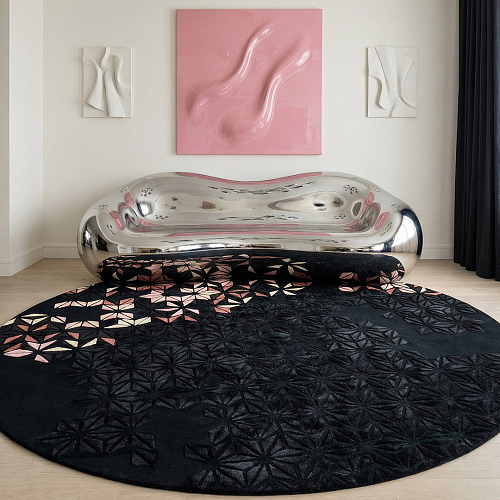
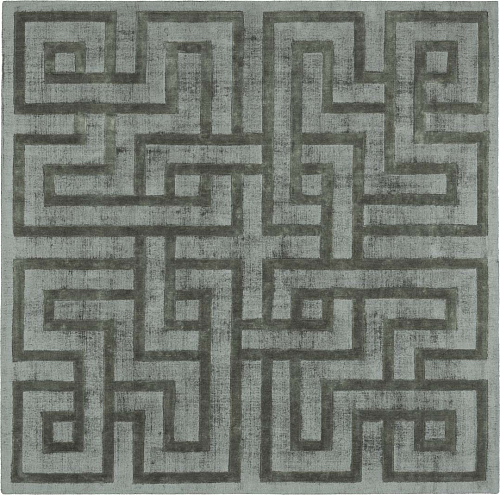
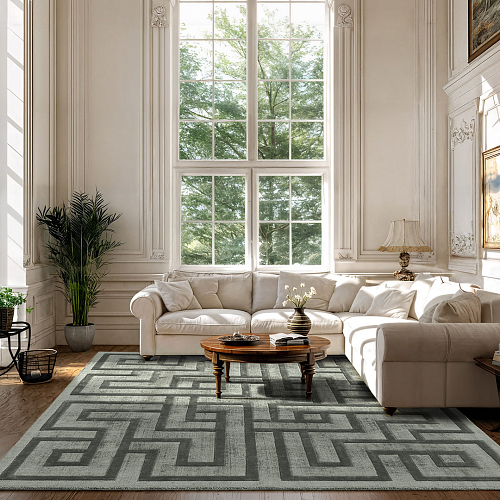
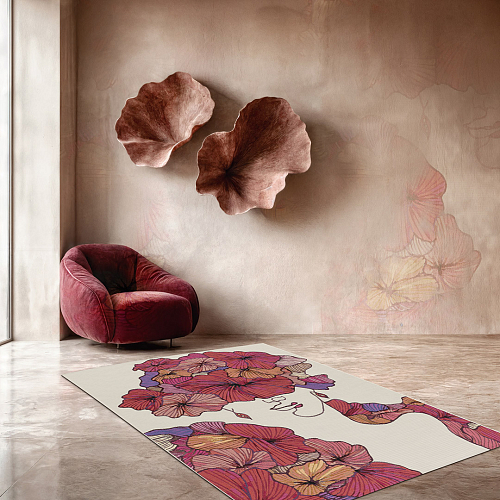
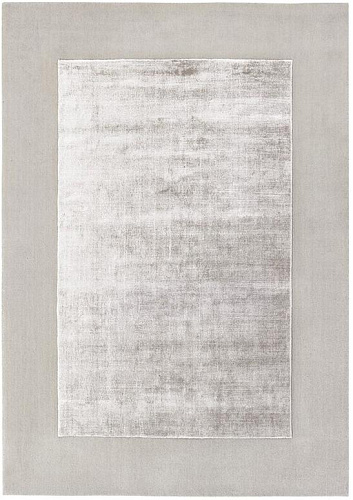
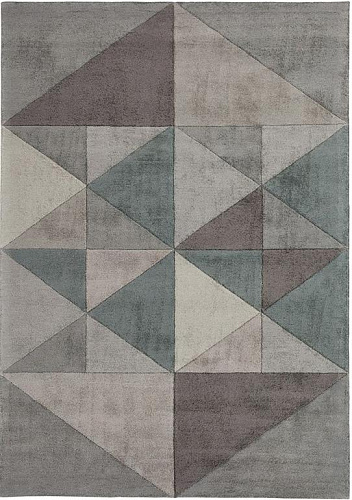
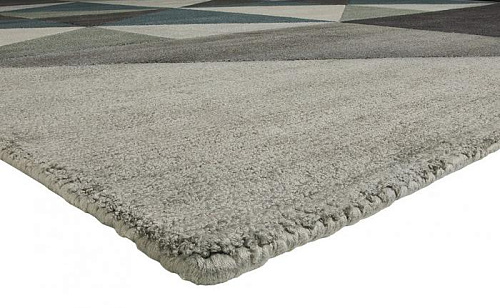
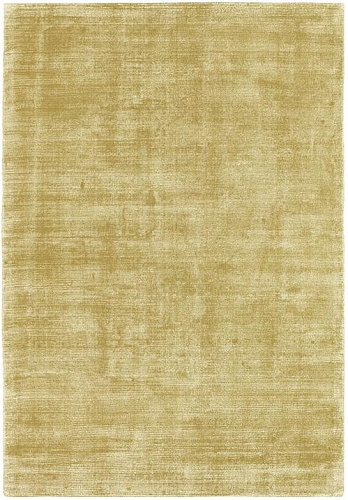
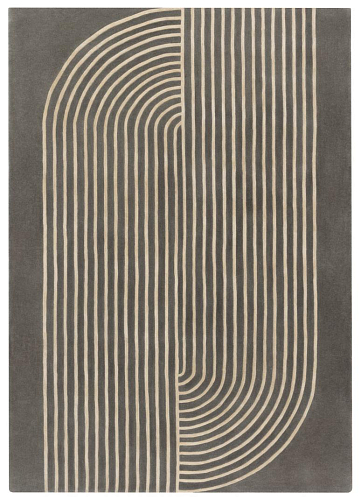
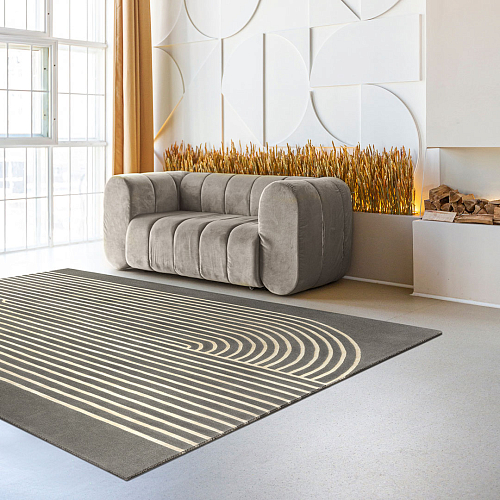
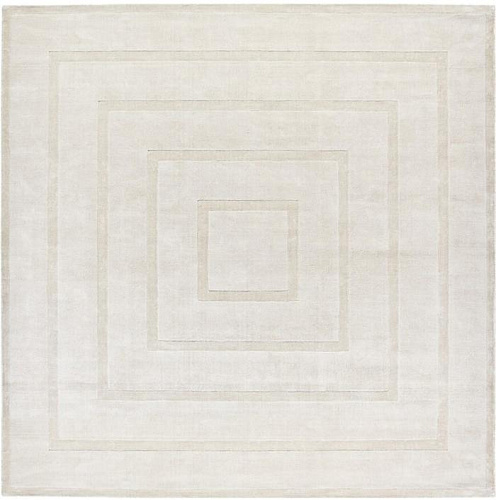
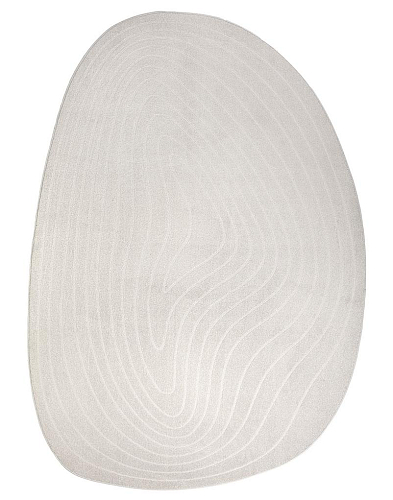
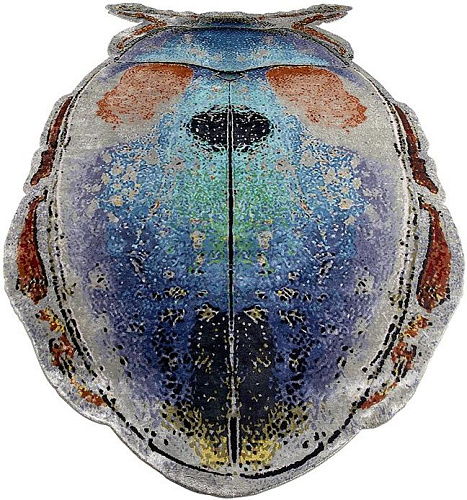
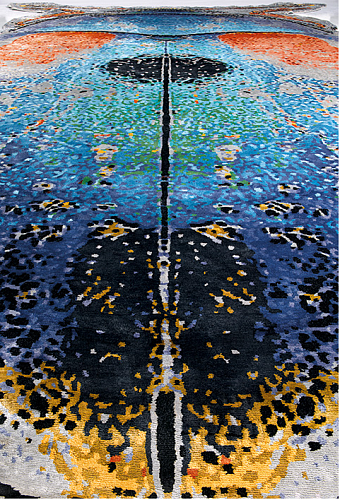
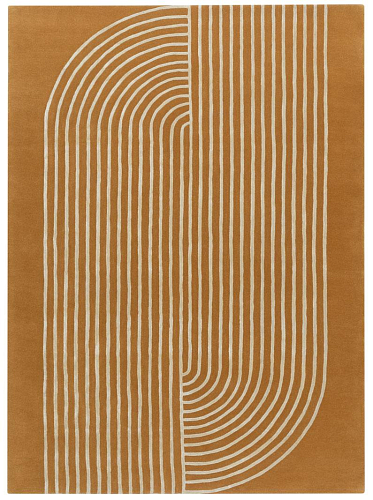
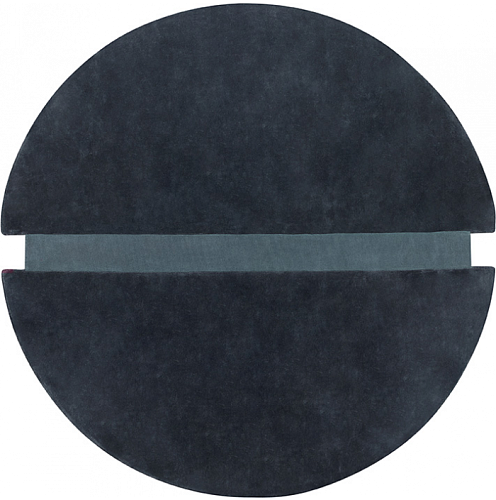
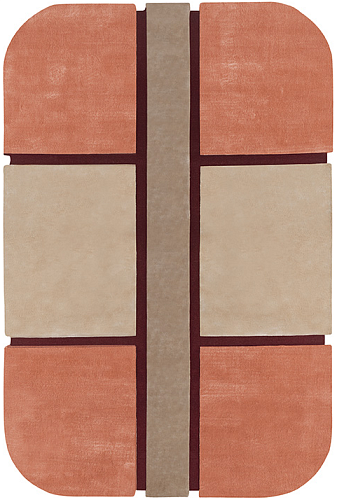
The collection divides into two tiers. Alta Moda sits at the top: hand-knotted rugs produced in workshops across India, Tibet, and Turkey, built knot by knot on traditional looms using Tibetan wool, Chinese silk, and bamboo fibre. These take months to produce. No two are exactly alike. Below it, the Prêt à Porter line offers the same design rigour in pieces more readily available in standard sizes and colourways — a wider range, faster to acquire, but made with the same material discipline and studio-driven aesthetic as the pieces above it.
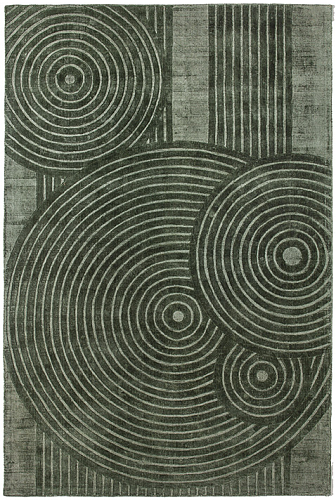
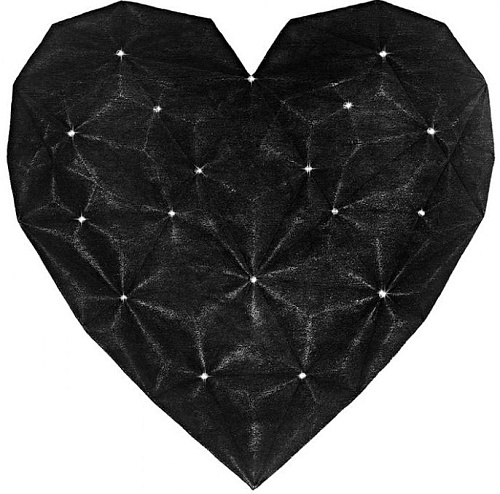
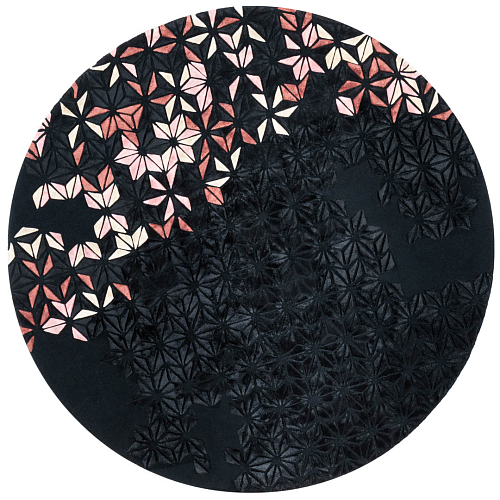
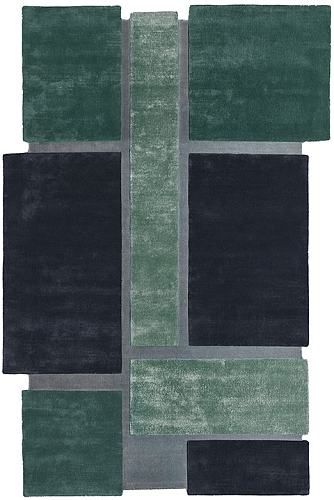
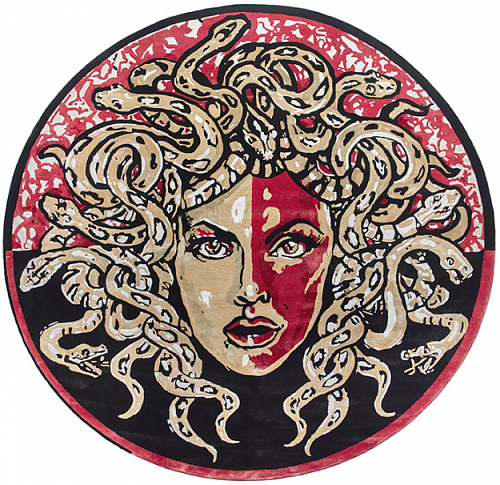
Alongside these two main lines, Sitap runs the Officina del Design programme — a project that invites young Italian architects and designers to contribute their own work to the collection under Barbara's artistic supervision. The results carry a specific authorial perspective that a purely internal design team would not produce on its own, and they sit within the collection as distinct creative statements rather than background product.
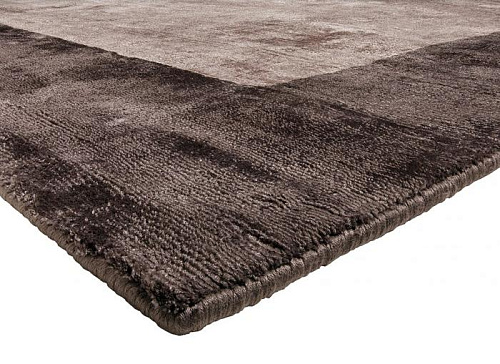
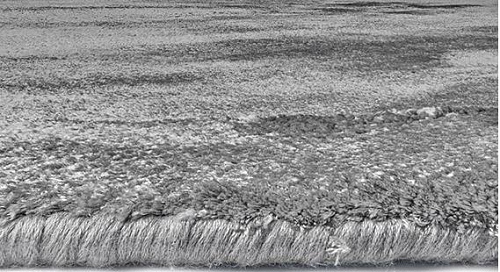
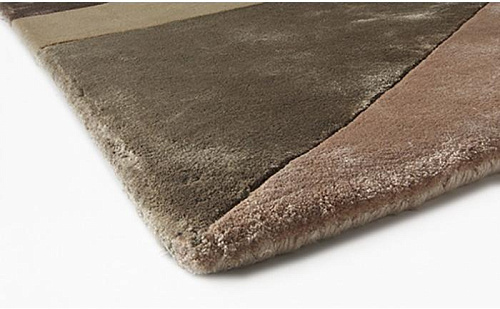
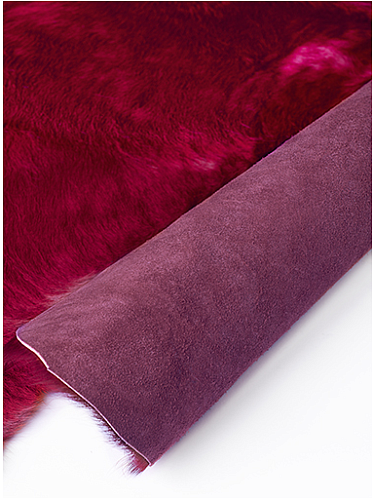
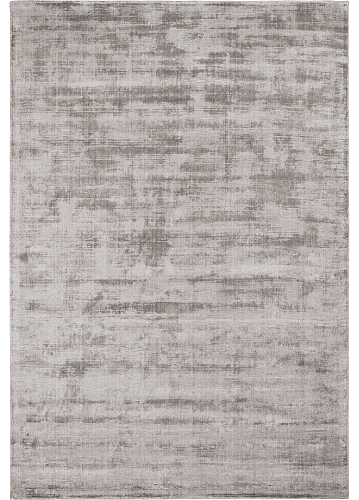
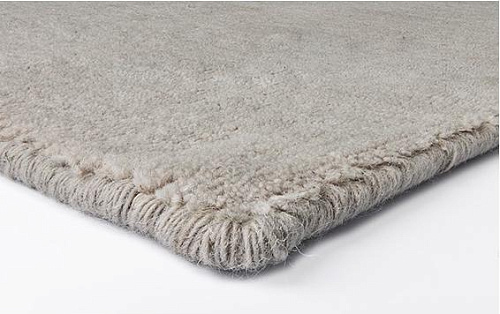
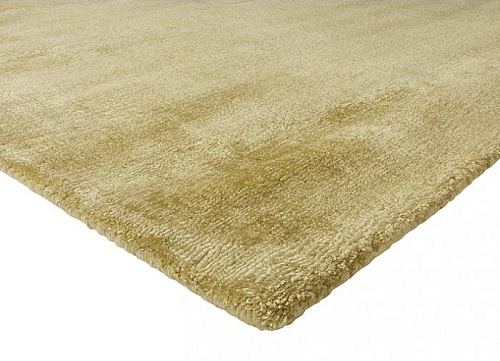
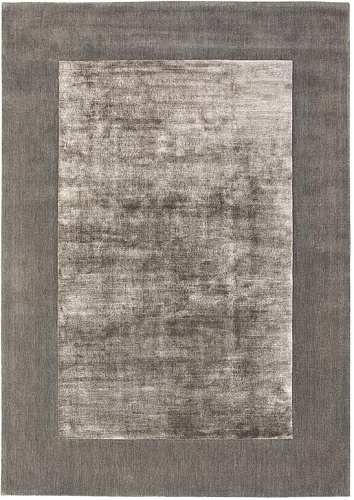
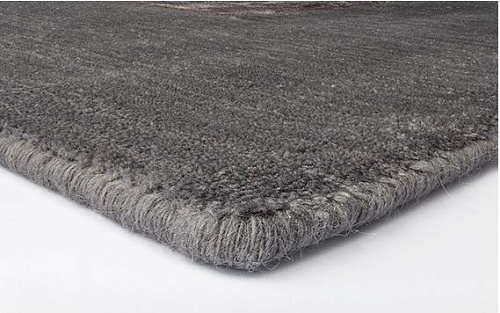
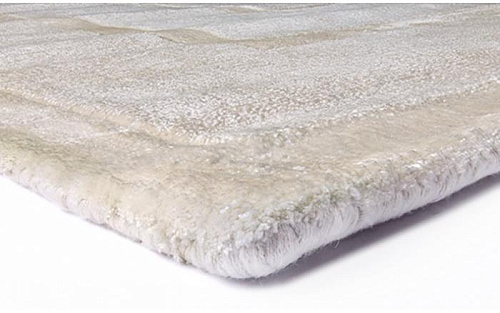
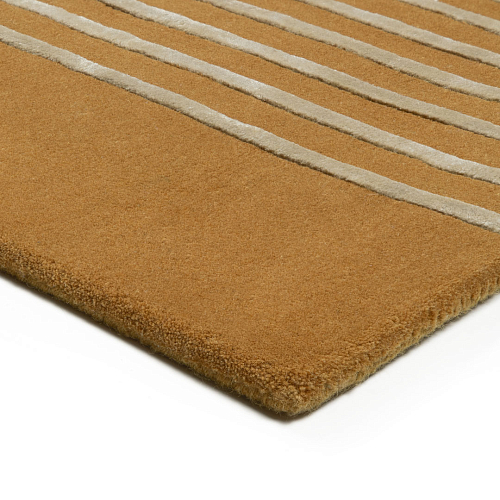
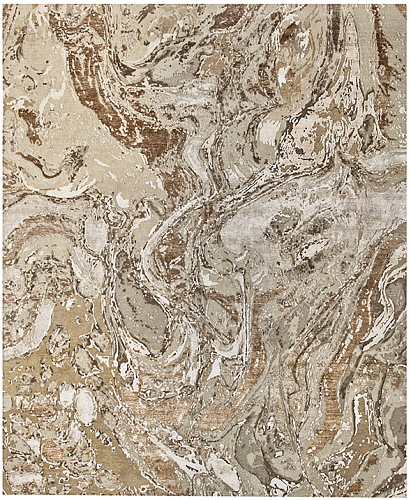
Tibetan wool brings a slightly rough texture and visual depth. Chinese silk adds brightness and softness. Bamboo fibre allows for graphic precision. Tencel — a plant-based fibre — and recycled PET yarns appear in more recent releases, reflecting a material sourcing approach that can actually be accounted for. The Upcycling collection takes it a step further: vintage Turkish carpets are disassembled and their wool repurposed into new pieces, so that each one carries genuine material history rather than a recycled fibre claim on a label.
None of this reads as a token gesture. Sitap has been thinking carefully about what goes into a rug since 1955 — sustainability in this context is simply a continuation of that habit rather than a brand pivot.
Sitap produces to specification: custom sizing, custom colour, custom pattern development. The atelier model extends to clients whose requirements fall outside the standard range — hotels, restaurants, architectural projects with specific constraints or scale. This capability sits naturally within a brand that already treats each collection as a design object rather than a catalogue of available goods.
The full Sitap collection is available at SayRug, including pieces from both the Alta Moda and Prêt à Porter lines.