Shopping Basket
You have no items in your shopping basket.


Wishlist
Your wishlist is currently empty
Ted Baker launched as a single shirt shop in Glasgow in 1987. Three decades later it became one of Britain's most exported fashion identities — recognisable not for a logo, but for a point of view: playful, precise, and consistently unpredictable in its use of print and colour. When the brand moved into homeware, it brought that same sensibility with it. The rug collection, developed in partnership with Dutch textile manufacturer Brink & Campman, arrived in 2015 and immediately looked unlike anything else in the floorcovering market.
That difference comes from where the design thinking originates. Conventional rug collections are designed within the textile industry, drawing on carpet traditions and interior trends. Ted Baker's patterns start from a fashion perspective — the same studio logic that produces a printed silk blouse or a jacquard-woven coat lining. The scale is different, the substrate is different, but the design vocabulary is the same. Colour pairings that other rug brands would avoid as too risky land here without effort, because they have already been stress-tested across seasons of clothing.
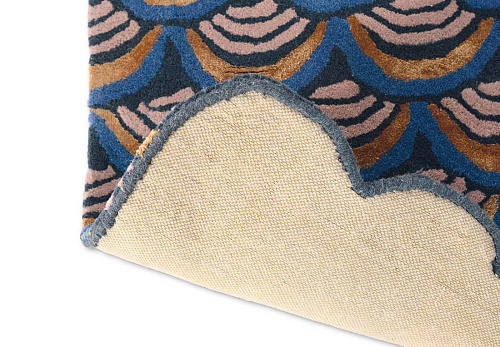
The rugs are hand-tufted in India from 100% pure new wool, with select collections incorporating a small percentage of viscose — typically around 7% — that introduces a directional sheen without compromising the weight of the pile. Pile height is 12mm. Pile weight runs at approximately 2,500 g/m², which is a useful figure: it reflects a rug built to hold its density under foot traffic rather than one optimised for the product photograph. Backing is cotton and latex. Some newer pieces in the range are made from recycled PET yarn, extending the material options without disrupting the visual character of the collection.
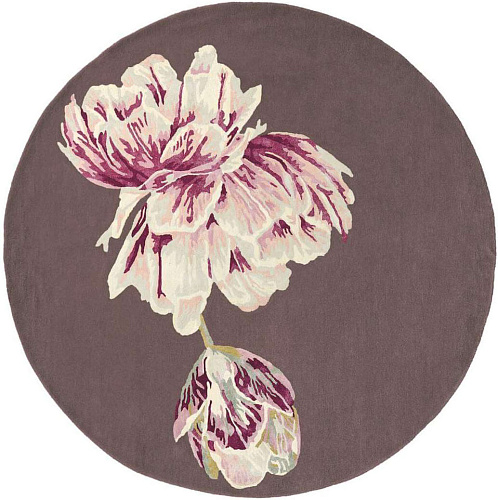
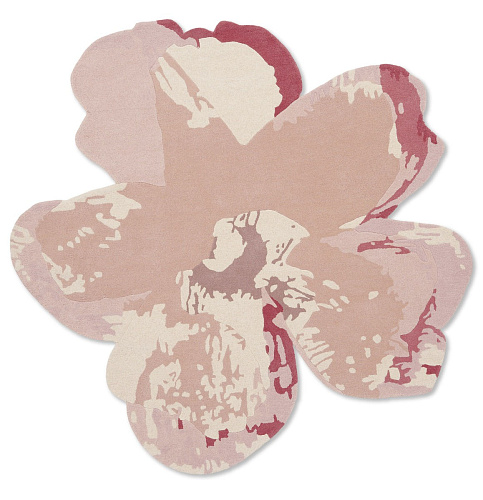
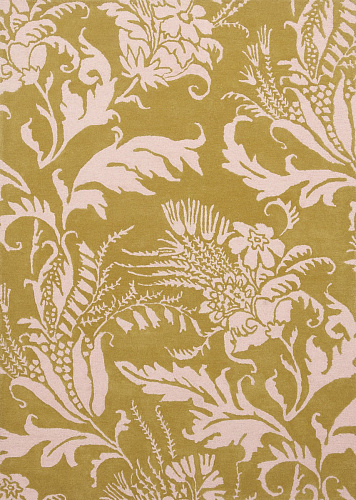
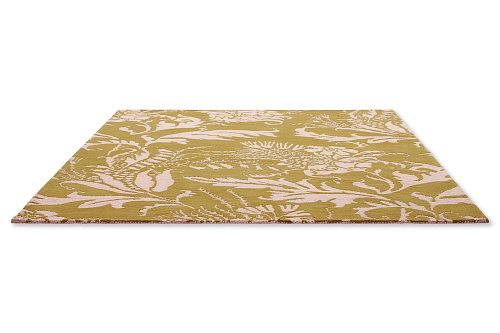
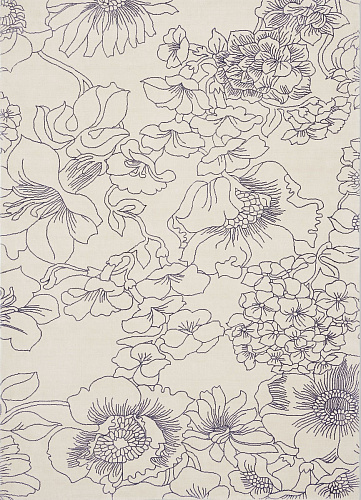
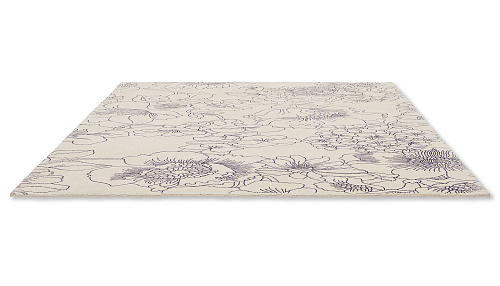
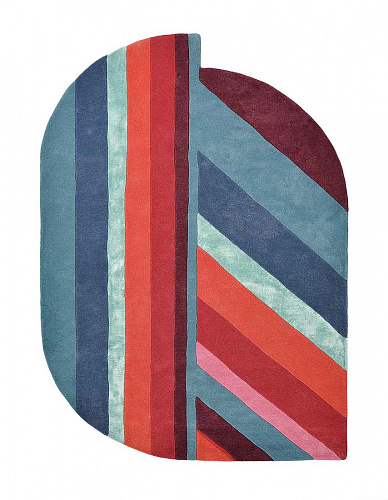
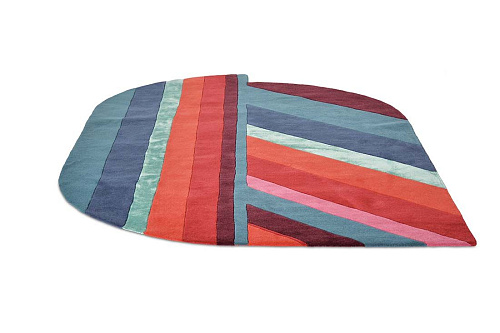
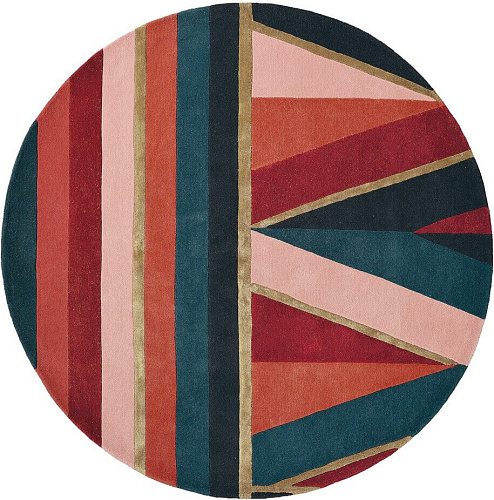
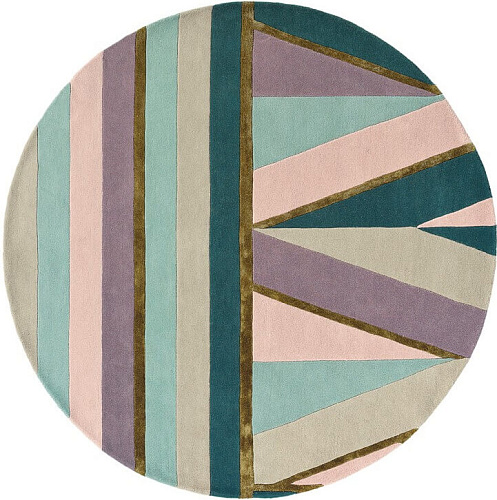
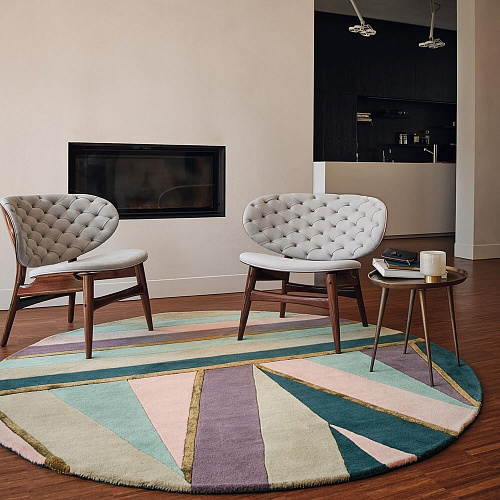
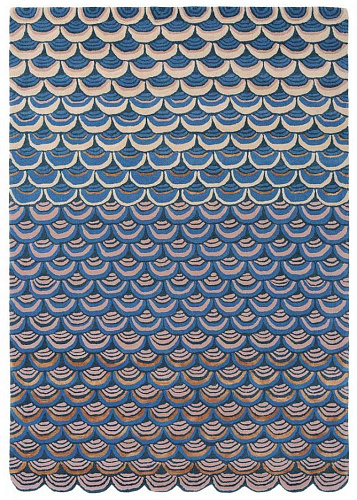
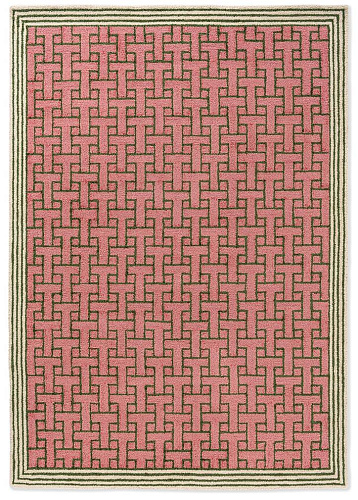
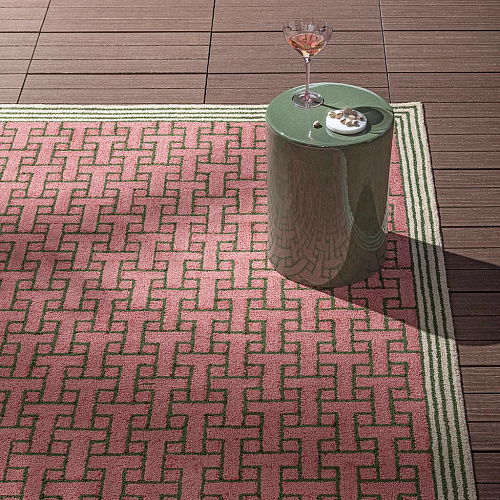
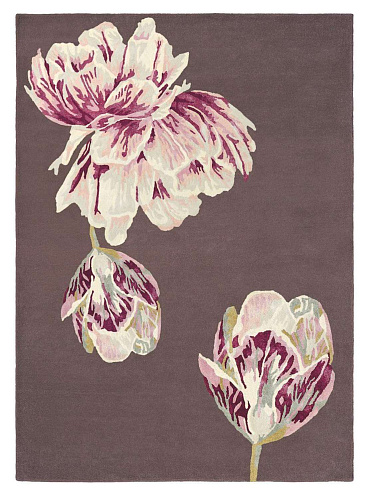
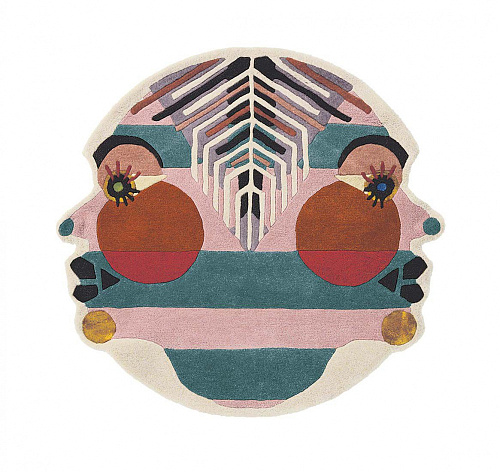
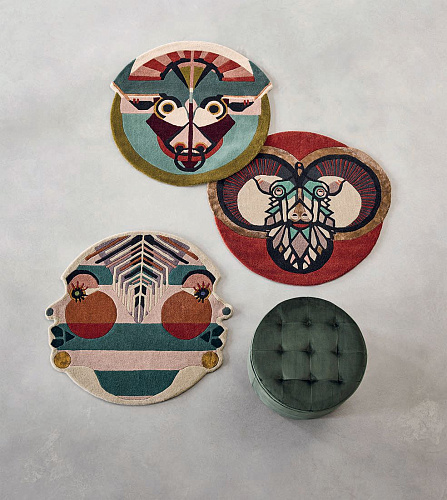
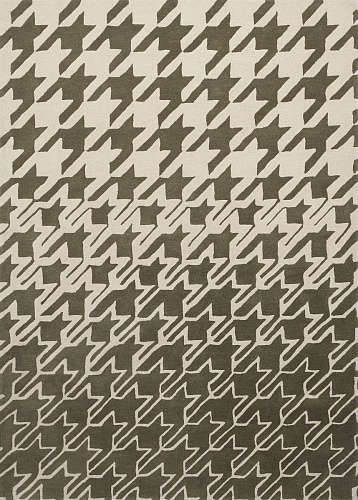
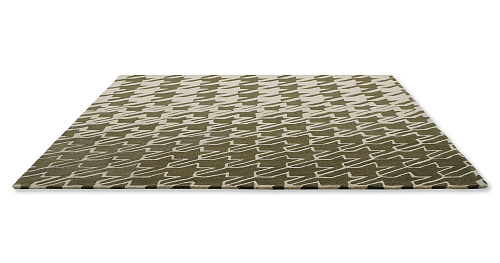
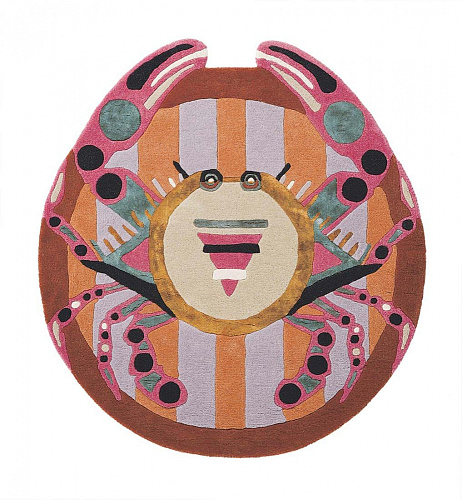
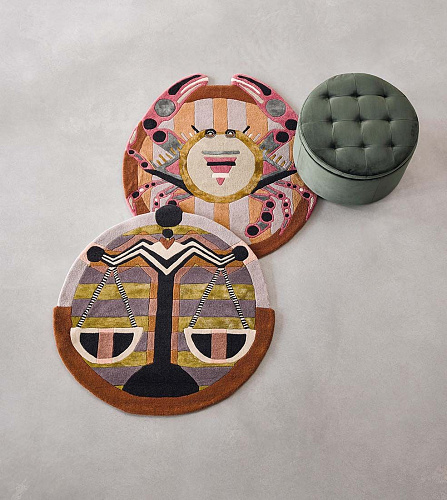
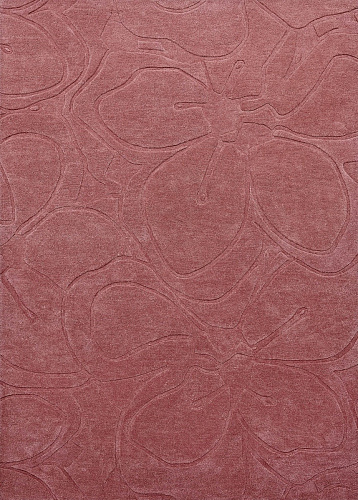
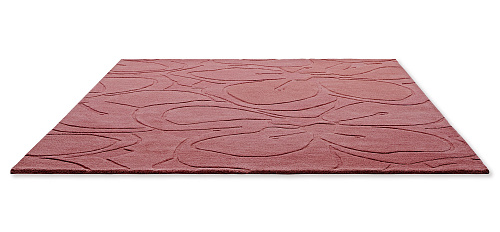
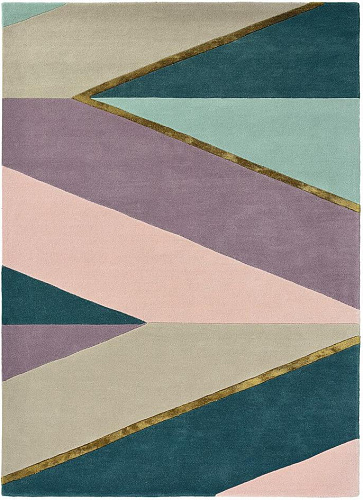
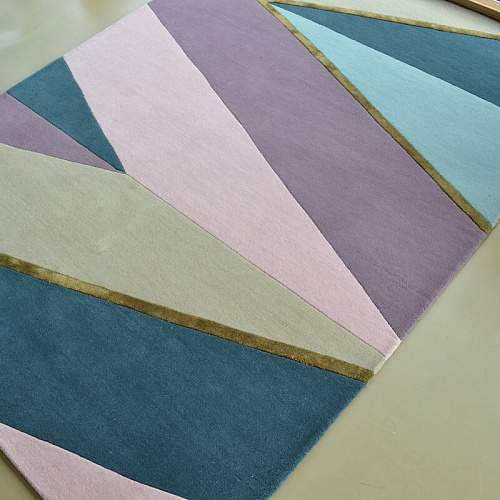
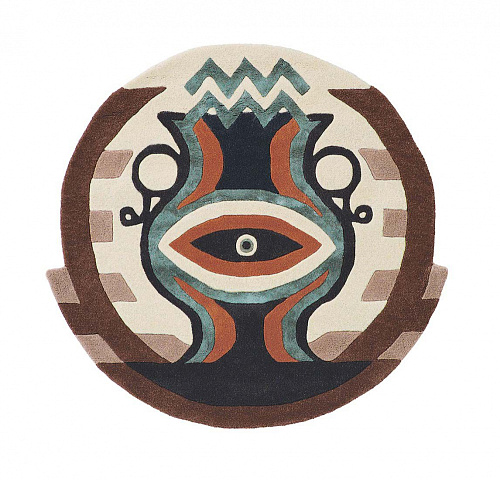
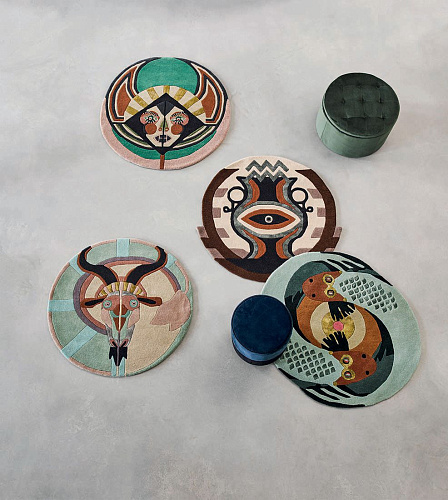
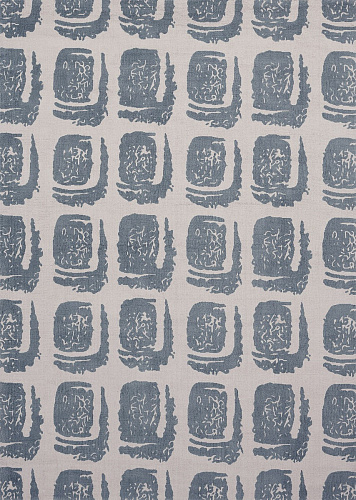
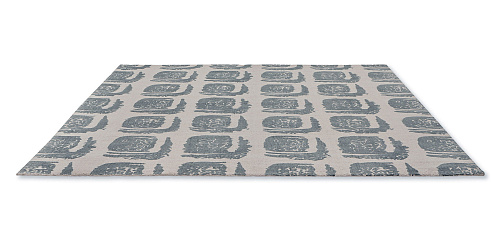
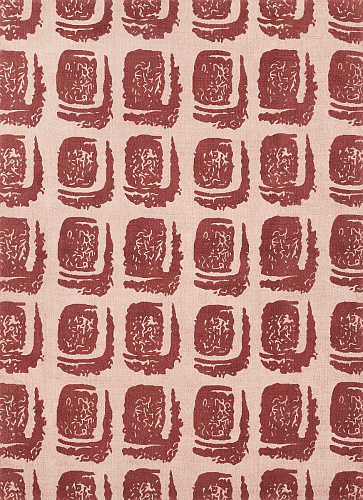
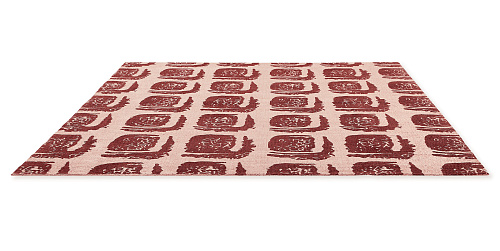
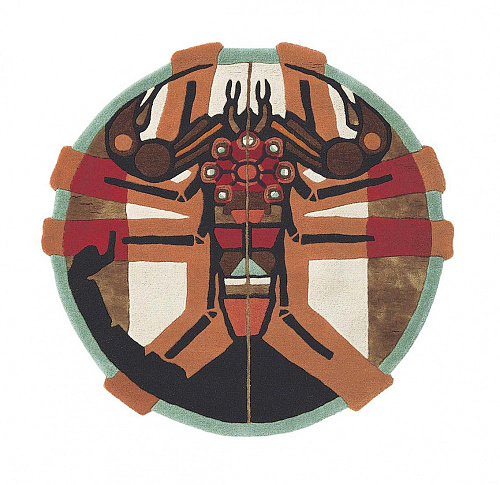
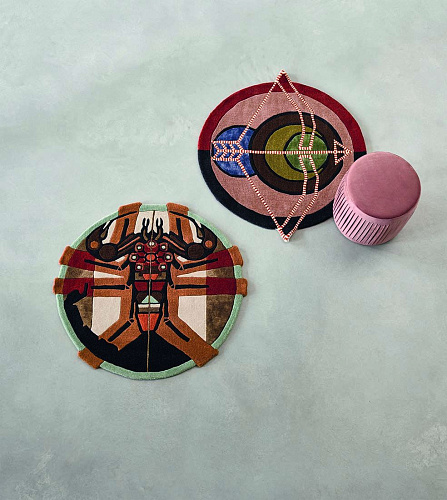
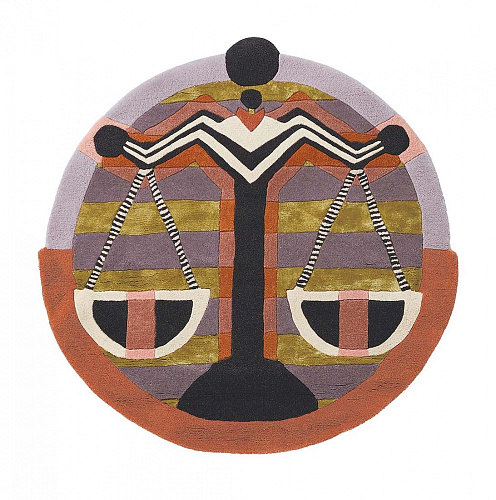
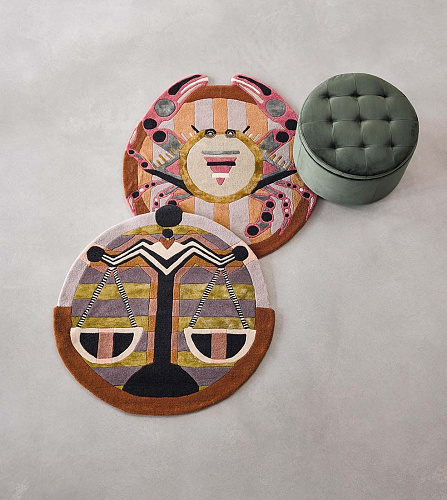
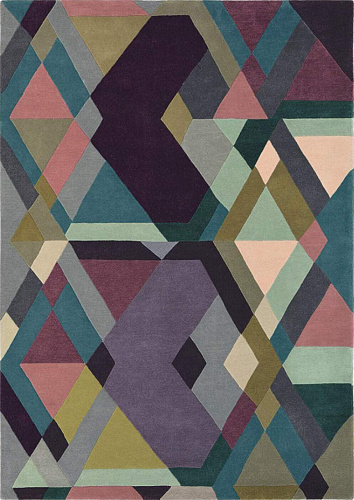
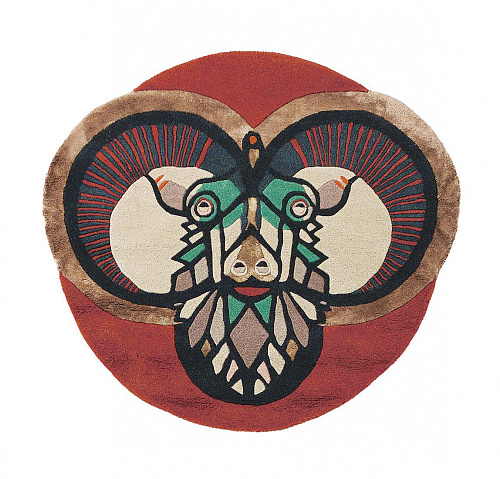
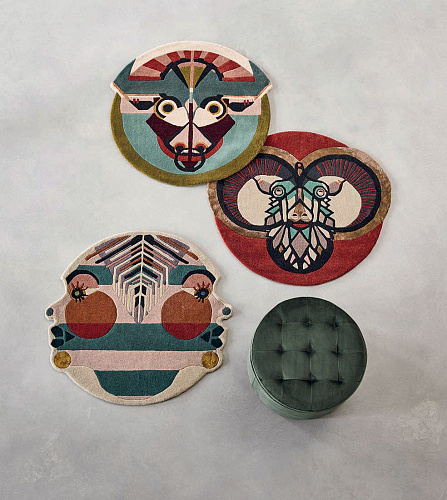
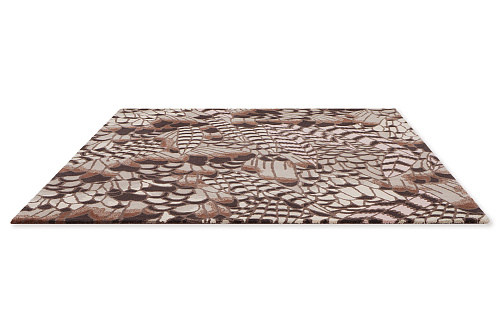
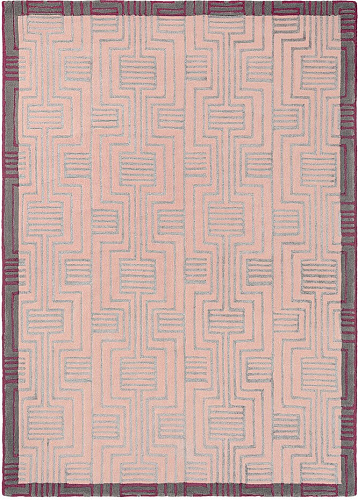
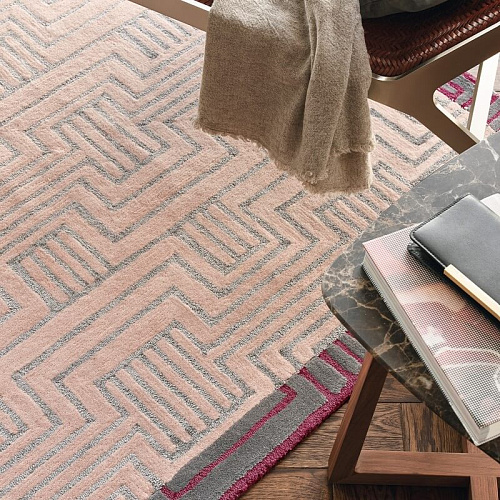
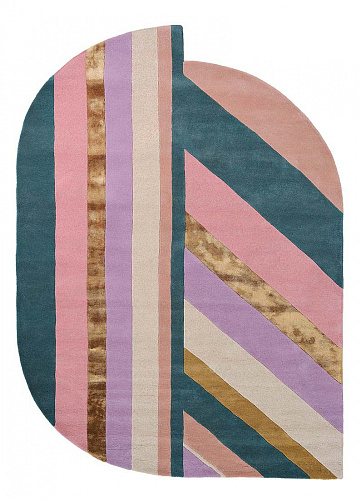
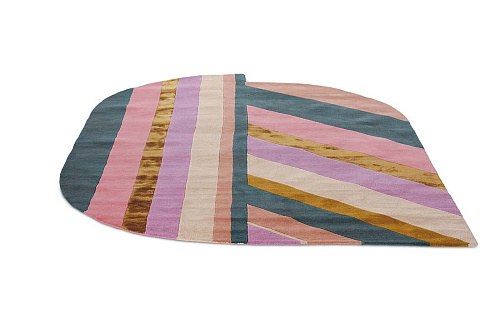
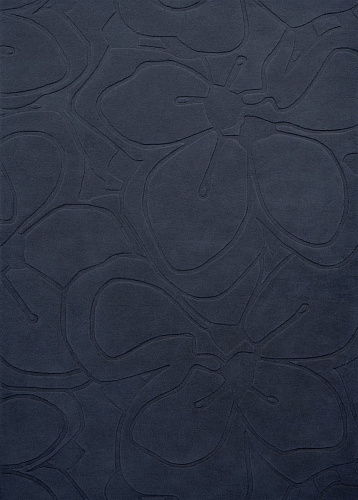
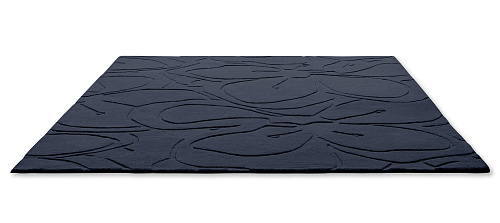
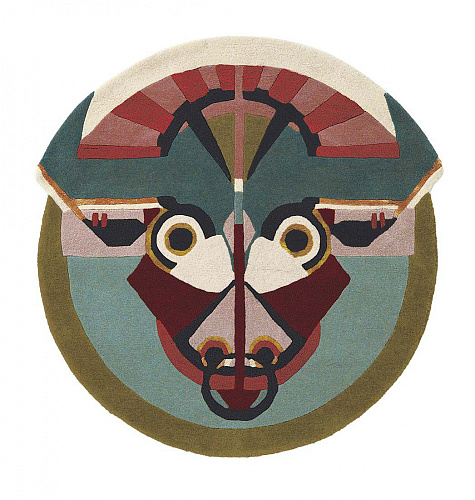
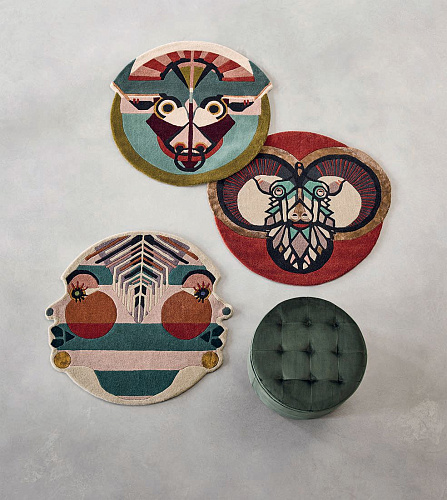
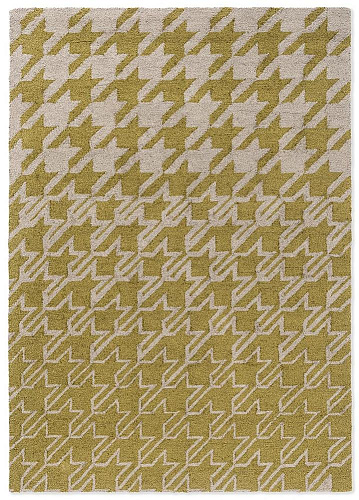
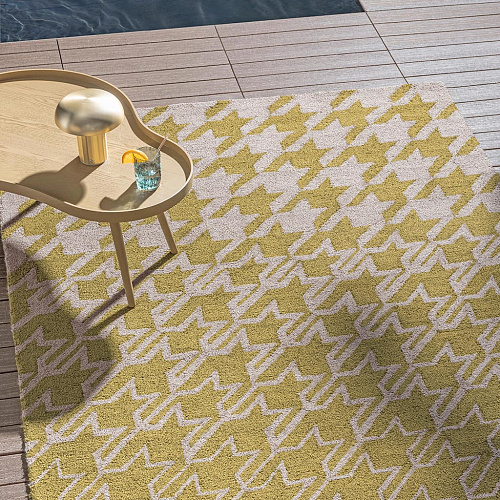
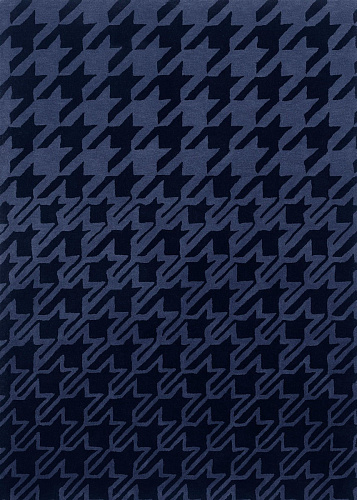
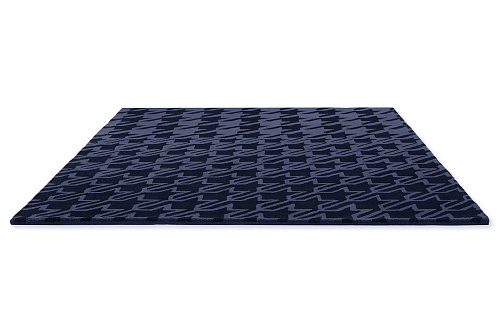
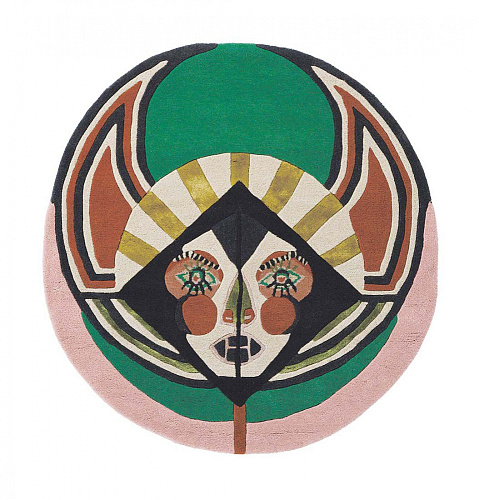
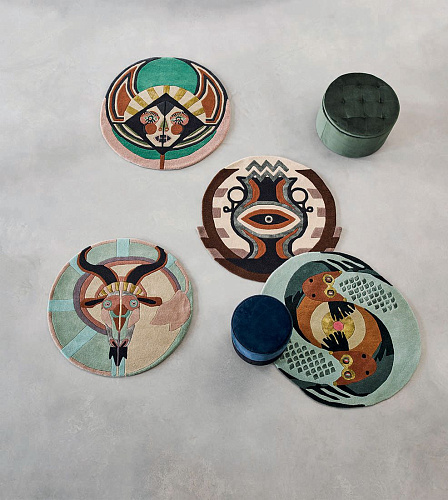
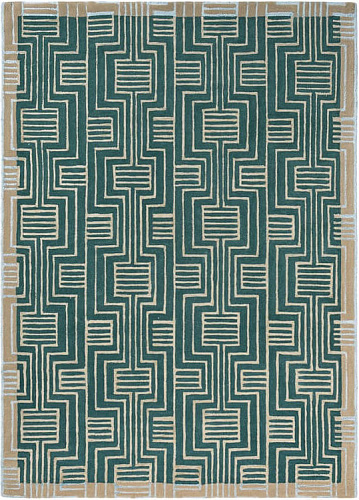
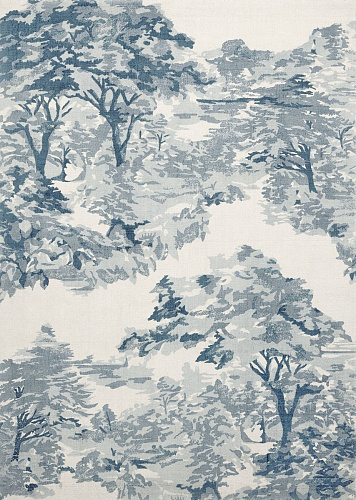
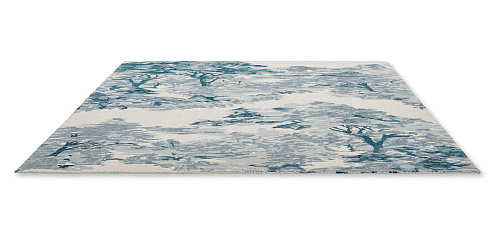
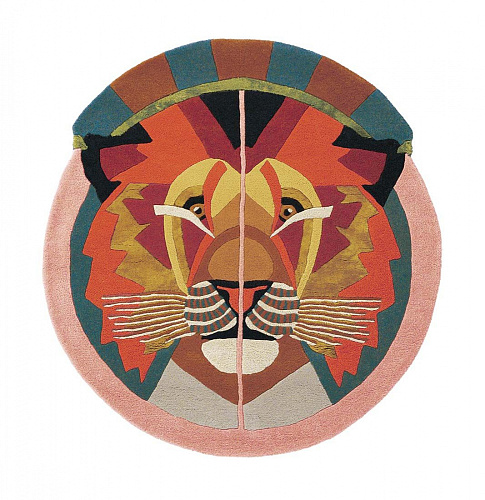
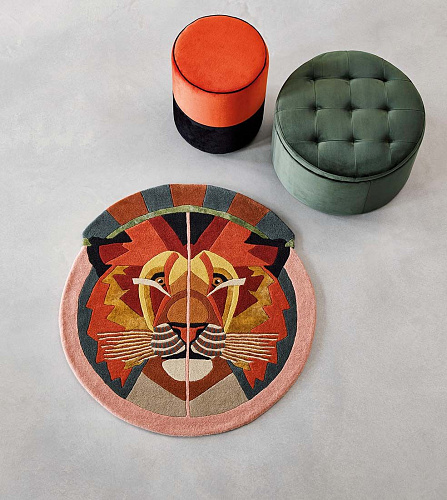
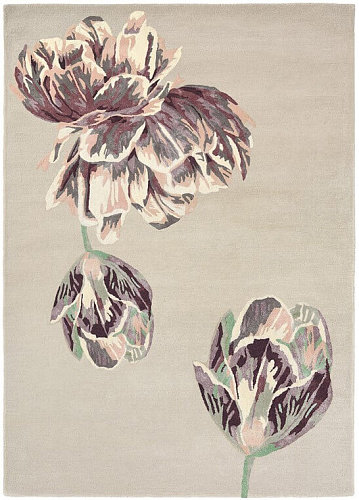
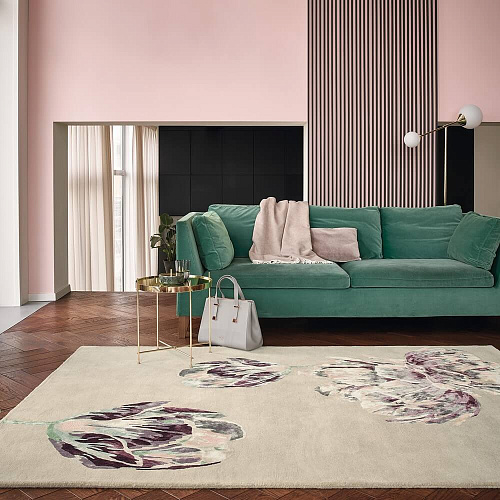
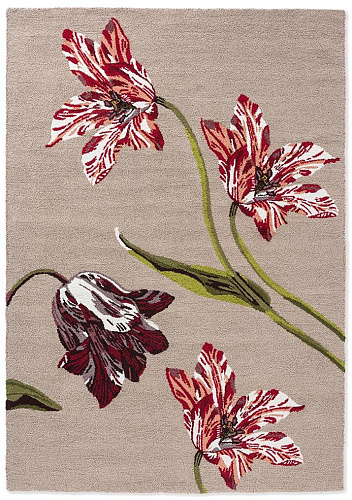
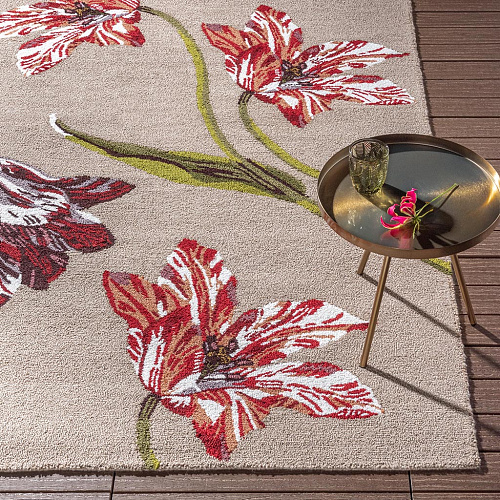
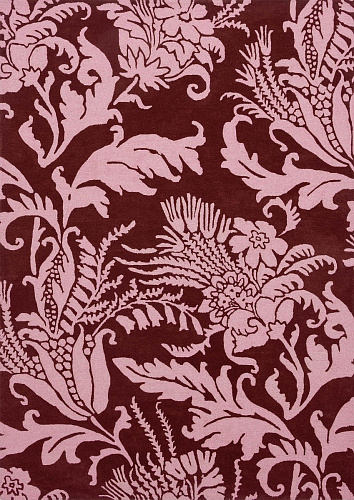
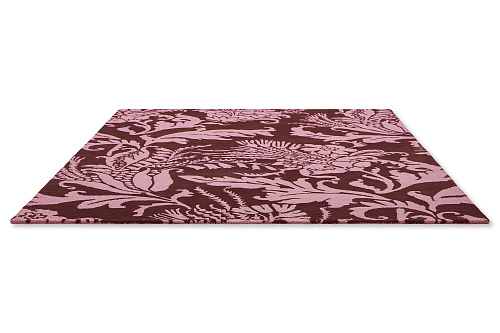
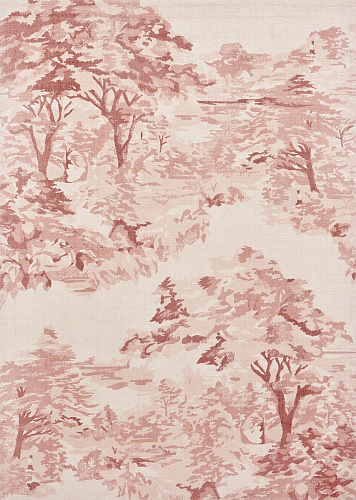
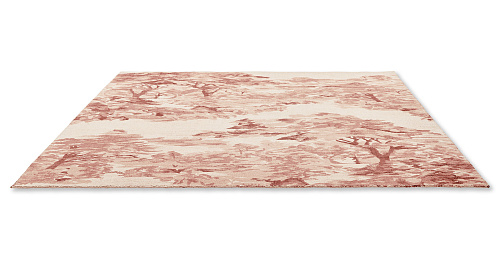
The Masquerade collection takes theatrical, ornate patterning — the kind more at home on a printed scarf than a floor — and pulls it back just enough to function in a real domestic interior. The Zodiac range goes further toward bold graphic territory, with astrological motifs rendered at a scale that makes the design readable across a room. The Sahara series moves in a warmer direction: ochres, terracottas, sand tones, with geometric structure drawn from North African textile traditions. Elsewhere in the range, large-scale botanical and floral prints reference the label's most enduring clothing motifs, and a separate geometric strand offers something closer to a contemporary interior aesthetic for spaces that need pattern without density.
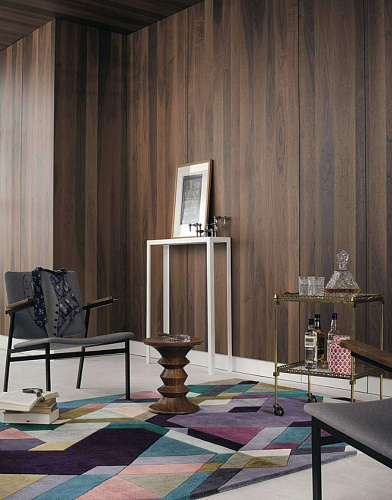
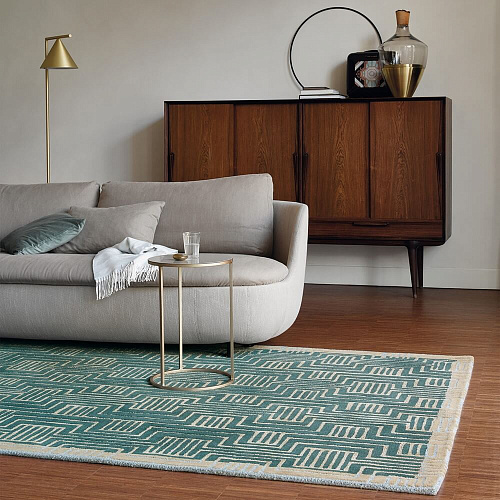
None of these collections try to disappear into a room. They are designed to be chosen deliberately, then built around — plain or semi-plain furniture tends to work better alongside them than spaces already carrying a lot of competing pattern.
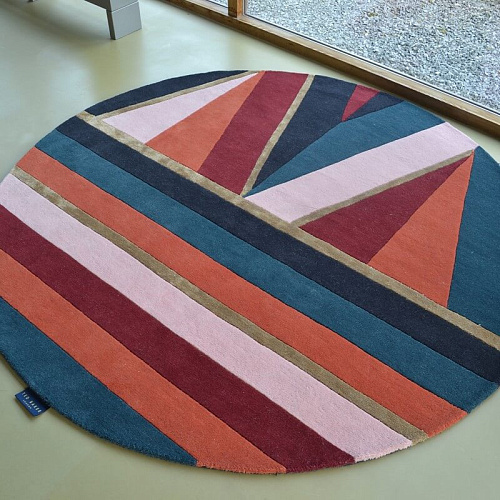
Because the prints carry significant visual weight, size selection matters more than usual. A Ted Baker rug in the wrong size for a room does not quietly recede — it sits awkwardly. Measure carefully, consider the furniture layout, and where possible view the pattern at scale before deciding. The investment is worth getting right.
The full Ted Baker rug collection is available at SayRug across a range of sizes and colourways.