Shopping Basket
You have no items in your shopping basket.
Wishlist
Your wishlist is currently empty
Scion launched in 2012 out of a Leicestershire studio as part of the Sanderson Design Group — a collective that includes Harlequin, Morris & Co, and Sanderson itself. Where those brands carry deep heritage and a certain formality, Scion was built from scratch for a different kind of home: one that takes interiors seriously but does not take itself too seriously. The brand draws on Scandinavian graphic simplicity, mid-century shapes, and an obvious affection for the natural world — animals especially.
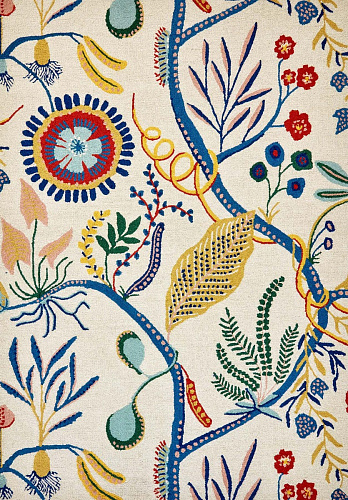
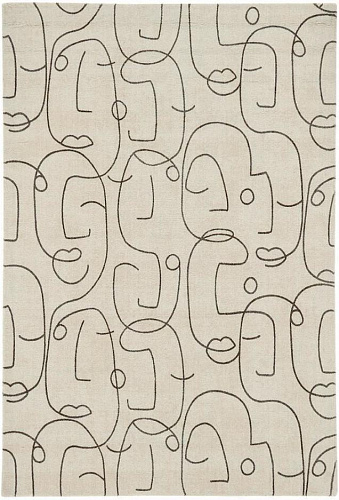
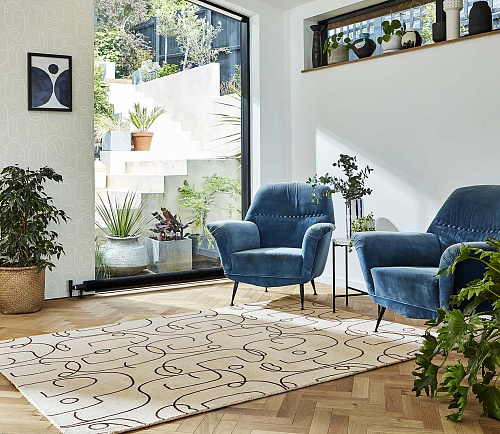
What distinguishes Scion's design process is that the illustrations start by hand. That origin shows in the finished product — there is a looseness and warmth to the prints that makes them feel authored rather than generated. The colour choices are confident without being aggressive, which is harder to pull off than it looks.
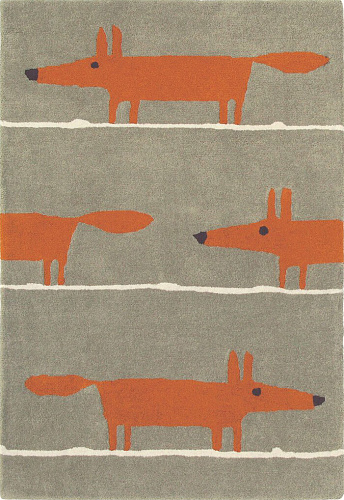
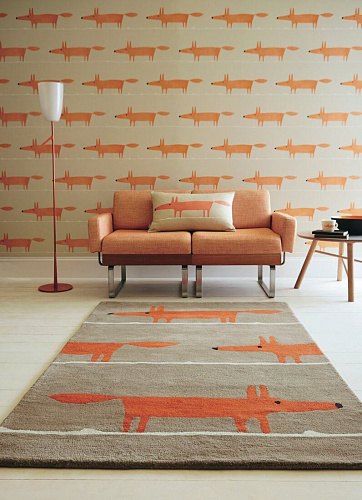
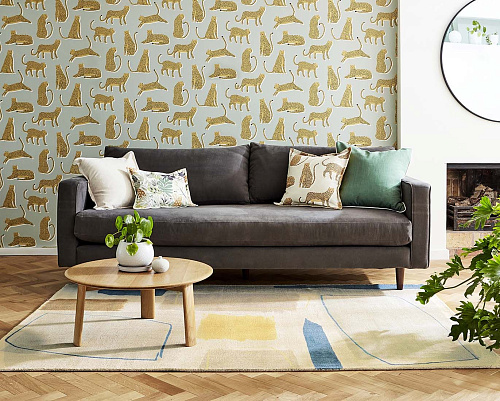
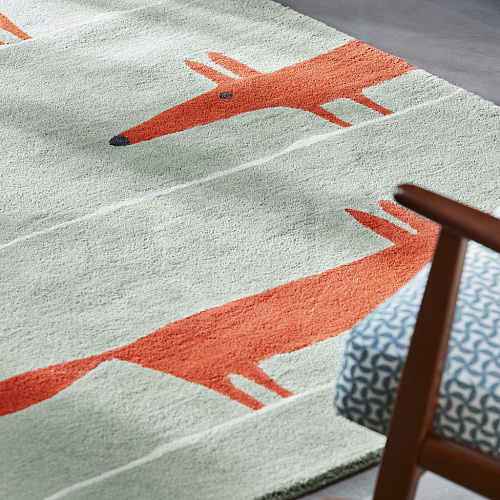
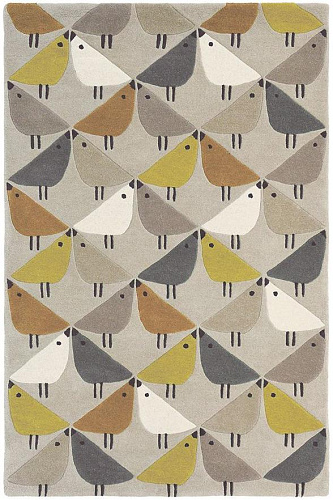
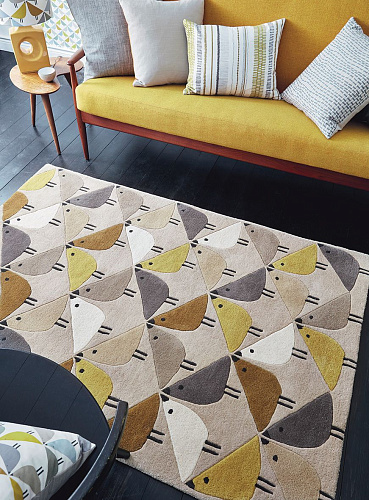
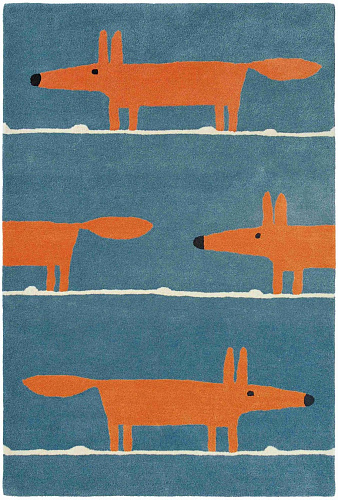
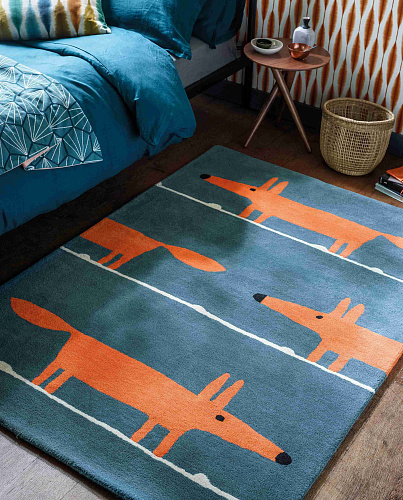
Mr Fox is the most recognised image in the Scion catalogue — a print that has appeared across rugs, wallpapers, cushions, and accessories since the brand launched, and has not been rotated out because it does not need to be. It works in a child's room, a living room, or a study equally well, which speaks to how it was drawn: as an illustration with genuine character rather than as a product illustration. Spike the hedgehog, Pedro the penguin, and Lintu the bird follow the same logic — these are not novelty prints designed for a single season.
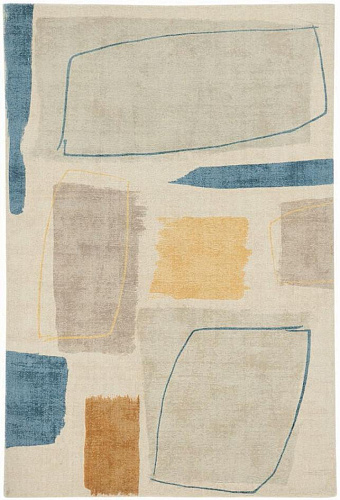
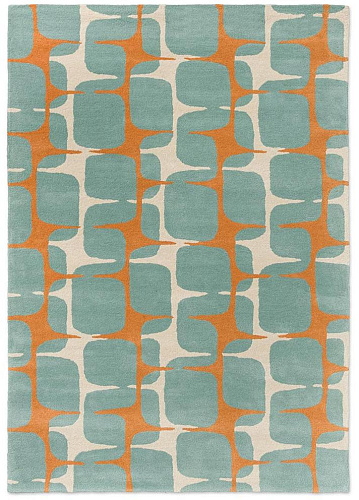
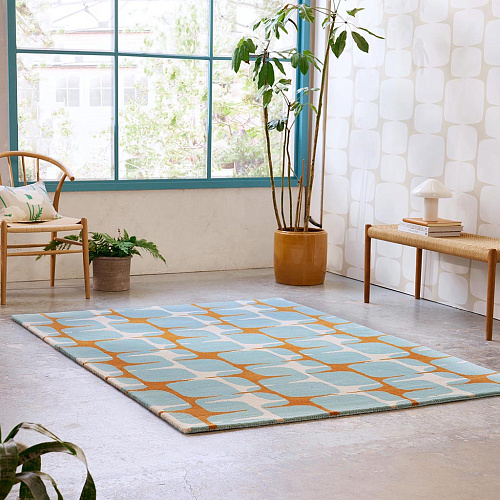
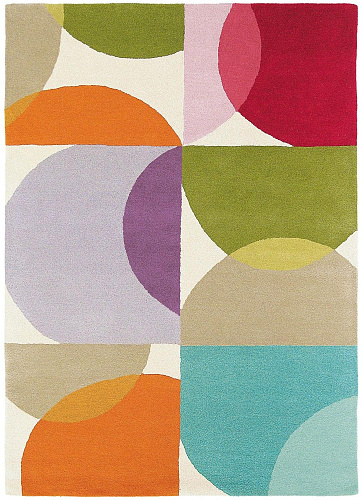
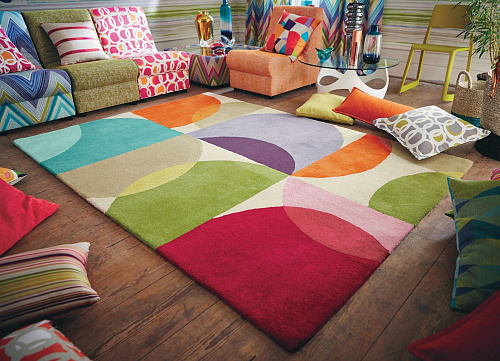
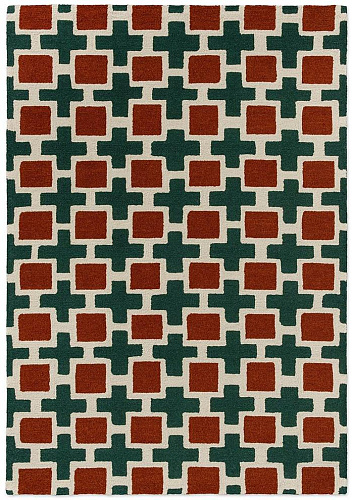
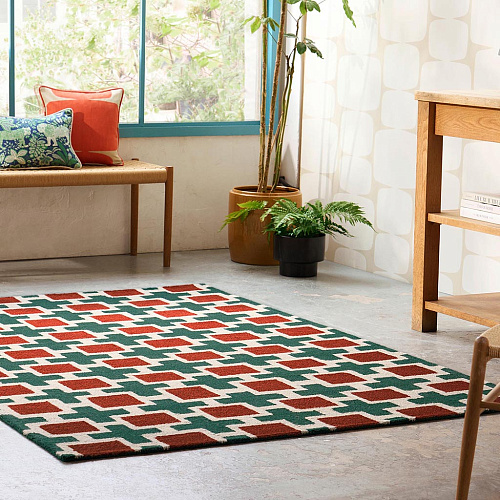
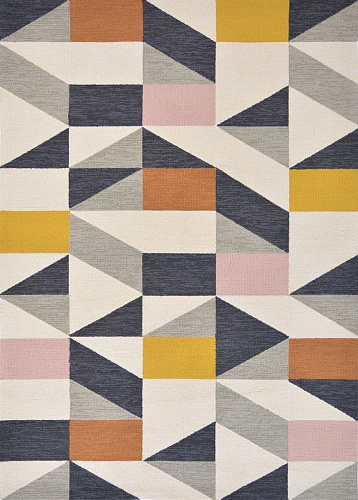
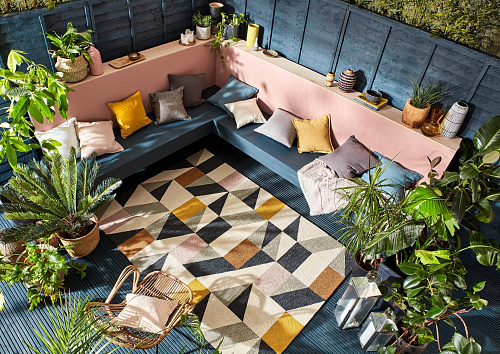
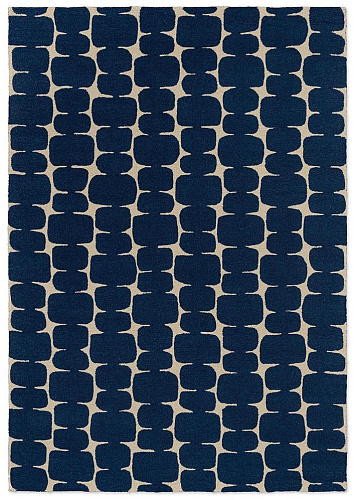
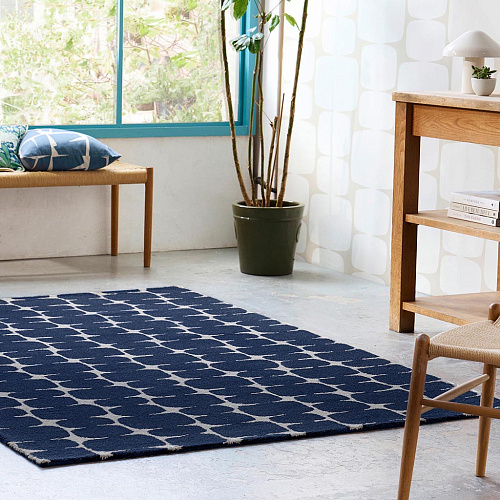
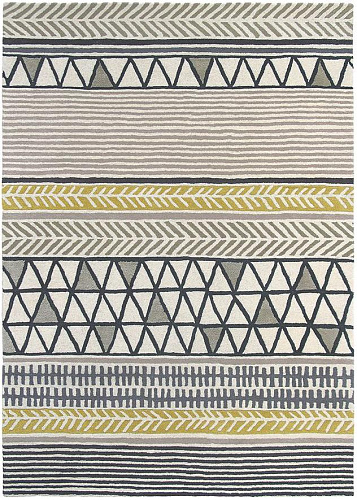
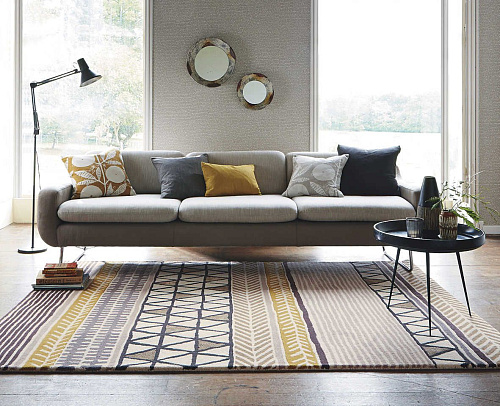
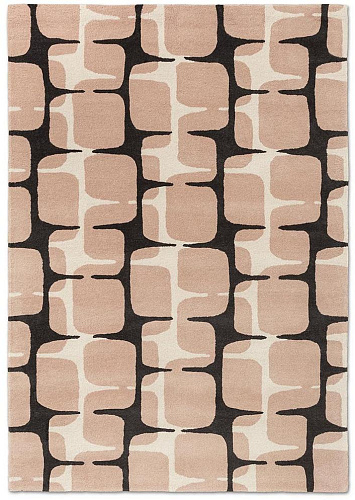
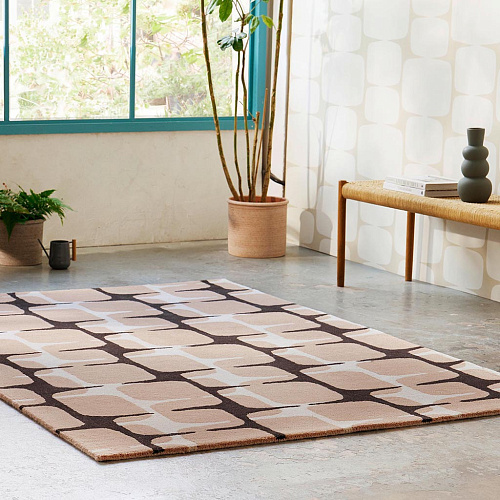
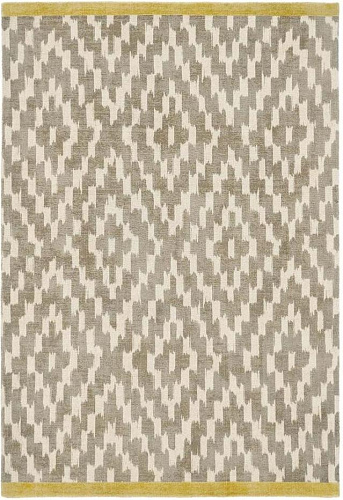
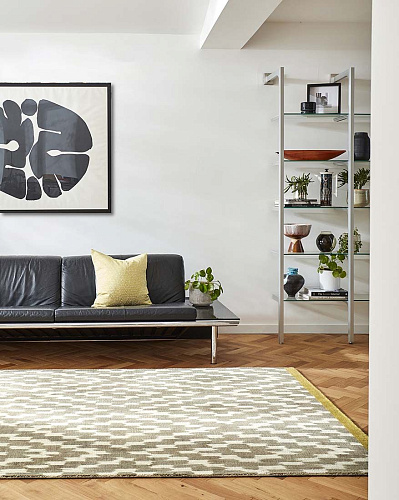
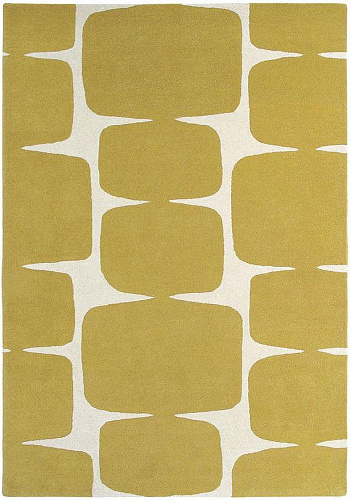
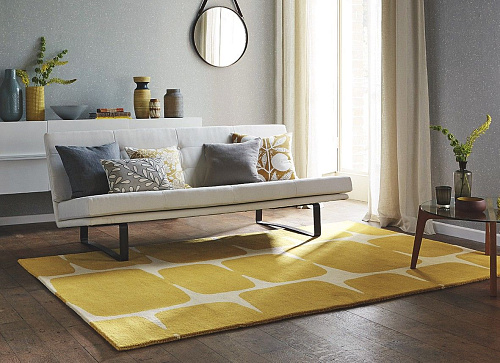
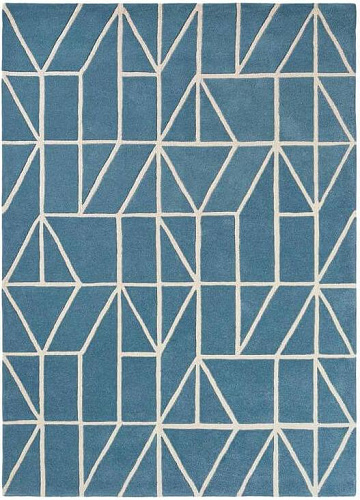
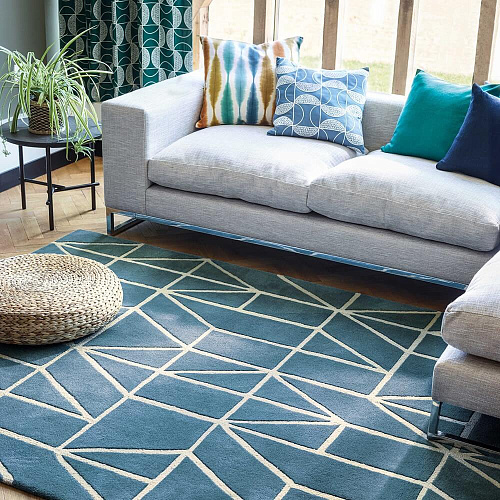
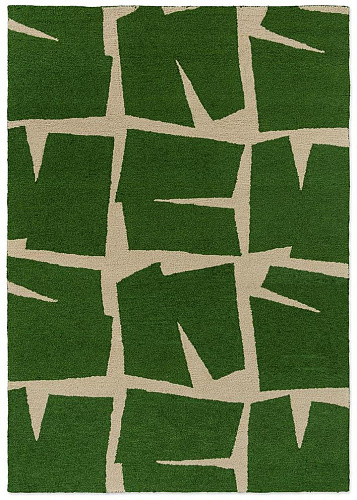
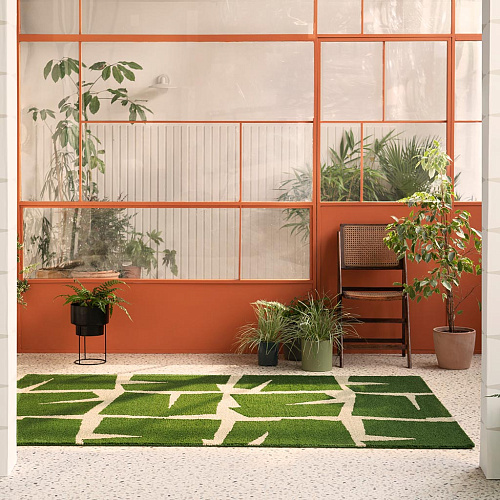
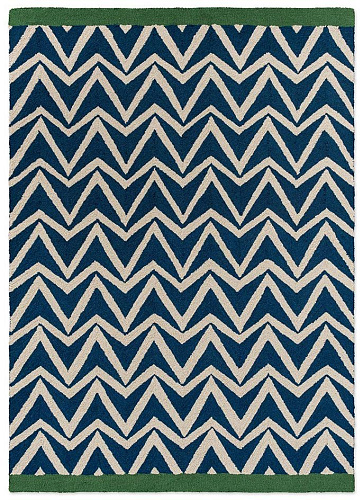
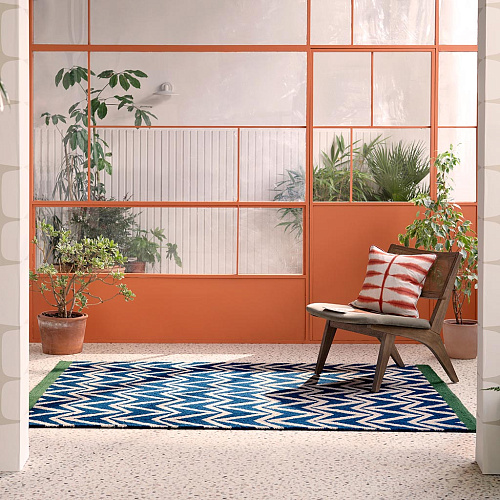
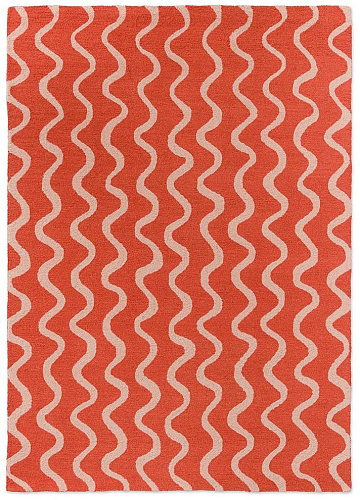
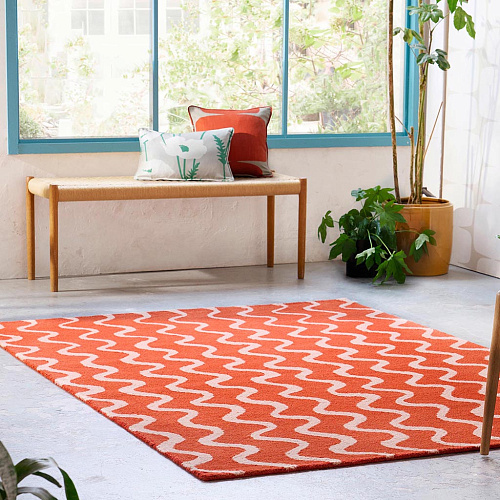
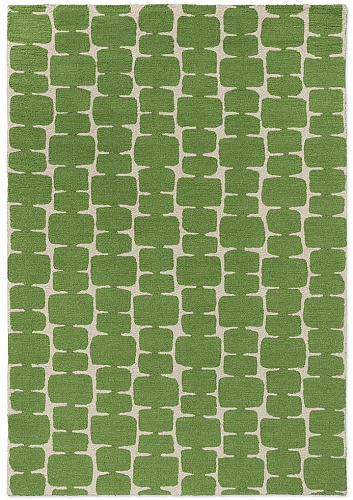
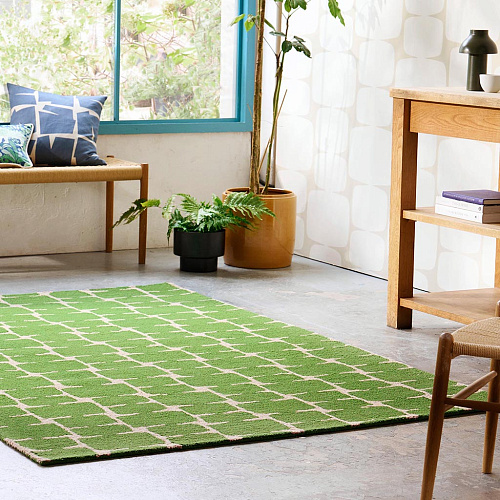
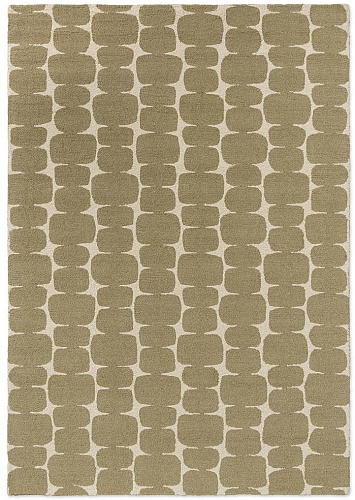
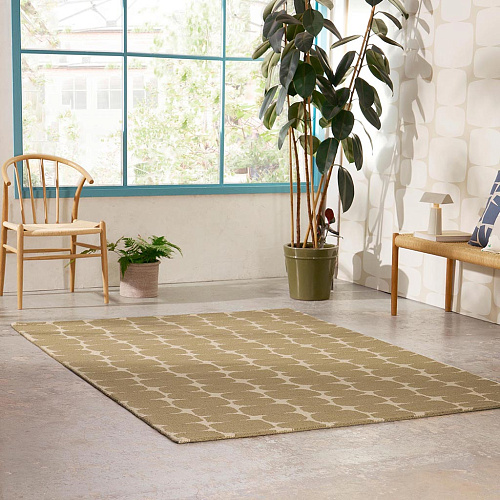
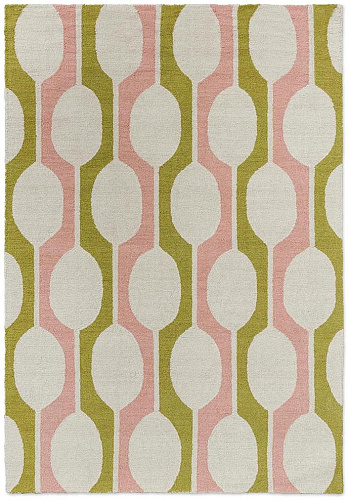
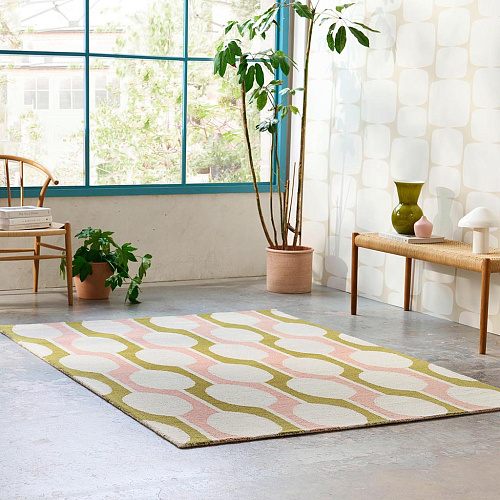
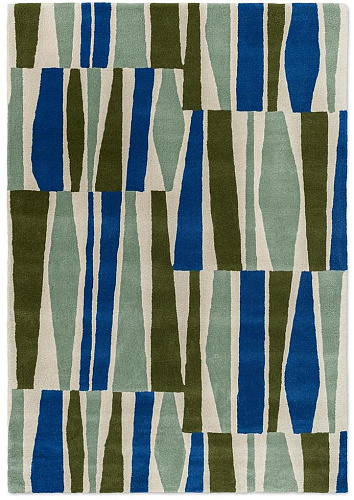
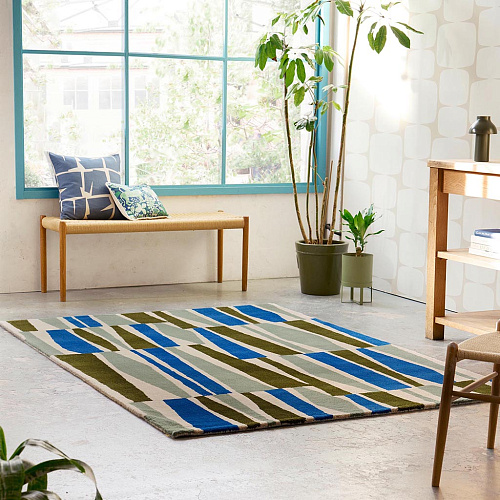
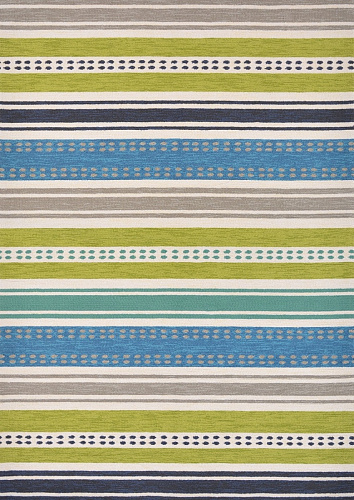
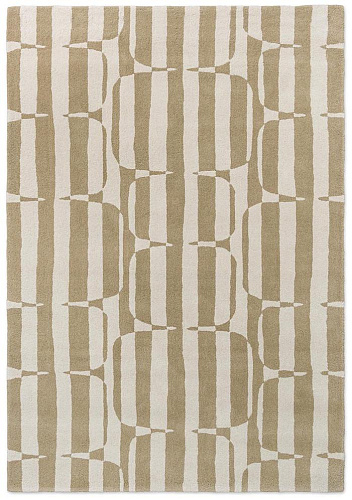
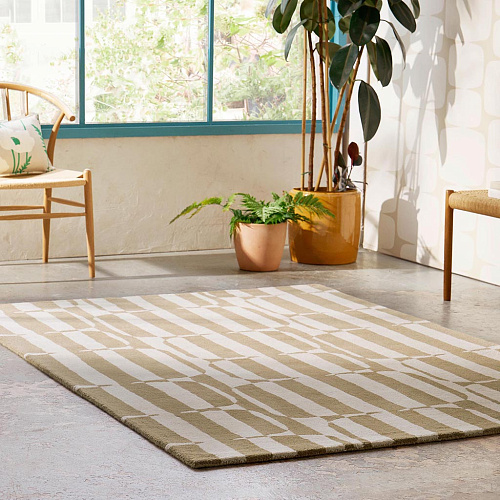
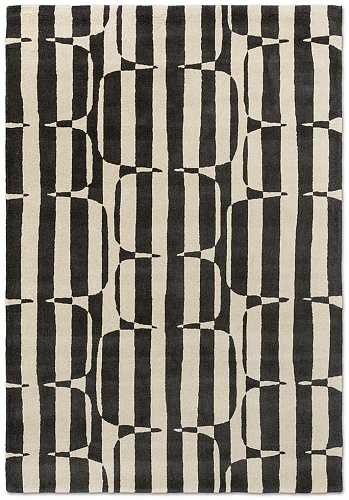
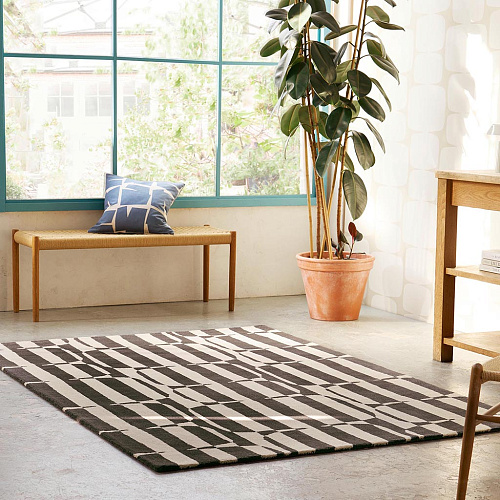
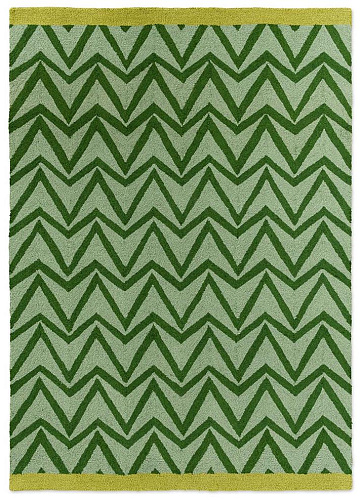
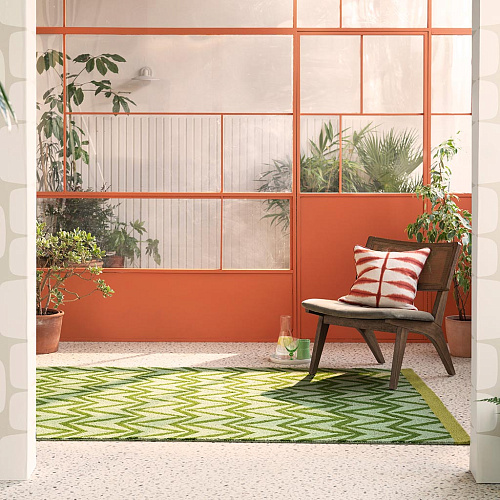
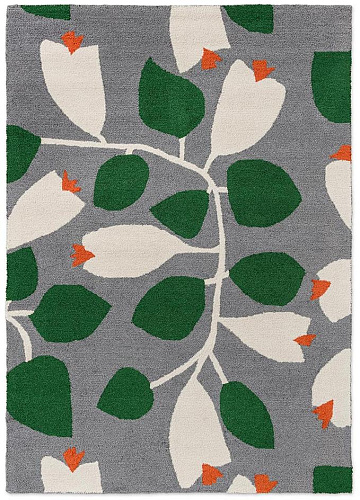
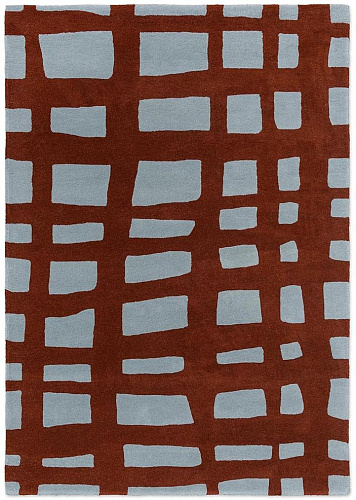
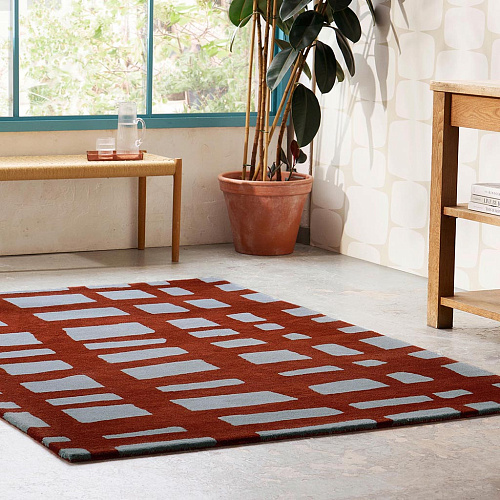
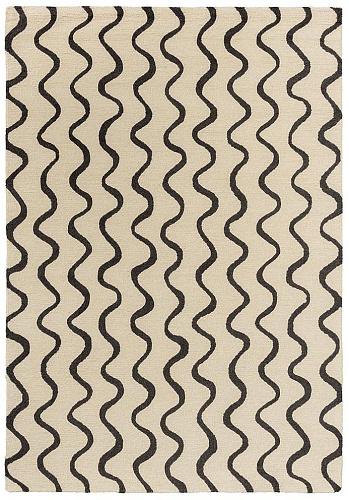
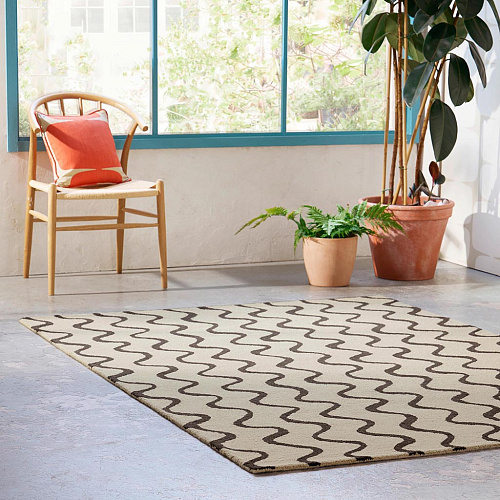
Beyond the animal motifs, the geometric ranges — Lohko, Raita, Esker — represent the Scandinavian end of Scion's influences. Structured repeat patterns, disciplined palettes, clean lines. Where the figurative collections lead with personality, the geometric ranges lead with form. Both sit within the same recognisable visual language.
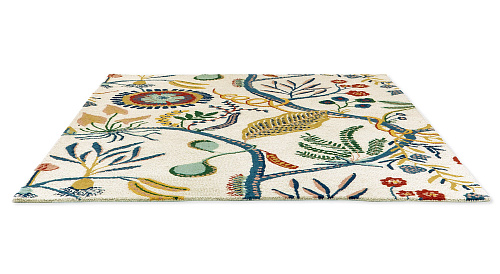
The rugs are hand-tufted from 100% pure new wool in partnership with Brink & Campman, a Dutch manufacturer with a long track record in quality textile production. Pile density is solid and the wool holds colour well over time. A significant portion of the collection is produced in GoodWeave-certified facilities — an independent certification that verifies no child, forced, or bonded labour was used at any point in the supply chain. This is a third-party audit, not a self-declaration, which makes it a more reliable indicator than most sustainability claims in the market.
If the print speaks to you, the quality backs it up — that combination is what makes the collection worth a considered look.