Shopping Basket
You have no items in your shopping basket.

Wishlist
Your wishlist is currently empty
The De Poortere family has been in the textile business since 1859, when they founded a dye factory in Kortrijk — a city in West Flanders with a textile history that stretches back to the medieval wool trade. The Louis De Poortere brand as it exists today was formally established in 1929, and the company has remained family-owned through four generations. That continuity is unusual in manufacturing at this scale, and it shows in how the brand operates: production has stayed in Belgium, the design process has stayed in-house, and the commitment to pushing what the machines can actually do has stayed consistent across decades.
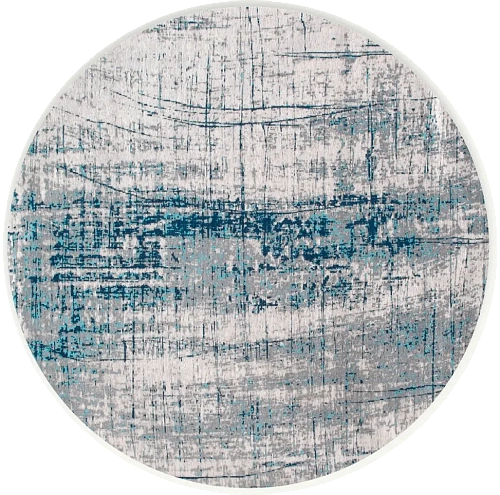
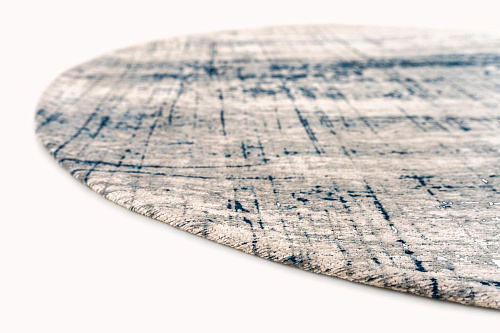
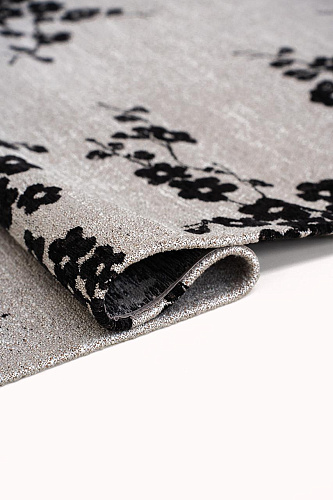
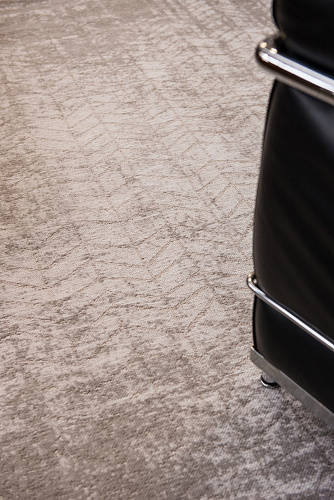
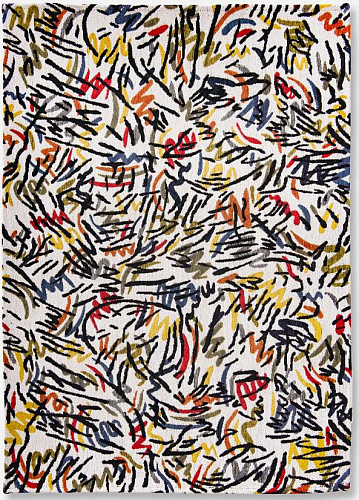
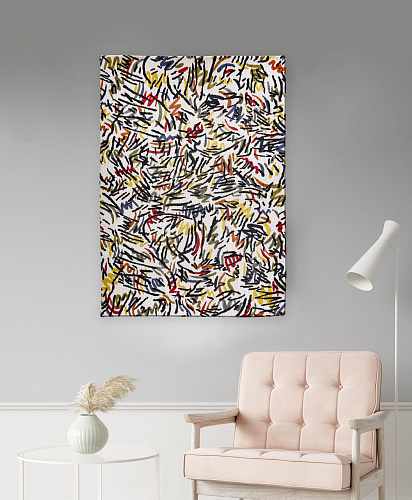
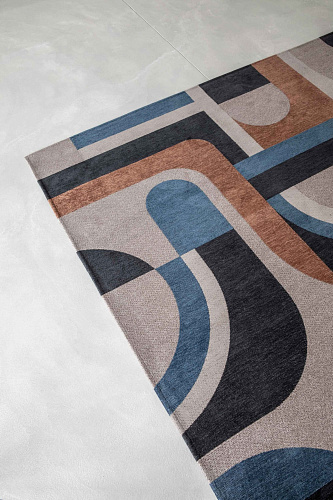
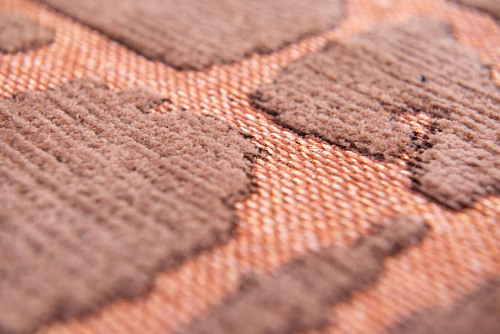
Louis De Poortere works primarily with two production methods: traditional Wilton weaving and modern Jacquard flatweave. Wilton is one of the oldest mechanical weaving techniques for pile carpet — a process in which the pile yarns are continuously woven into the backing structure, giving the finished rug a dense, durable character. Jacquard flatweave, by contrast, produces a thin, reversible textile with no pile at all — the pattern is built entirely into the weave structure itself, which limits how the rug can be made but also produces a graphic clarity that pile construction cannot match.
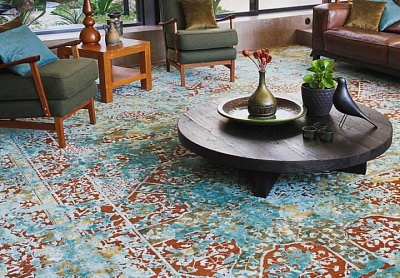
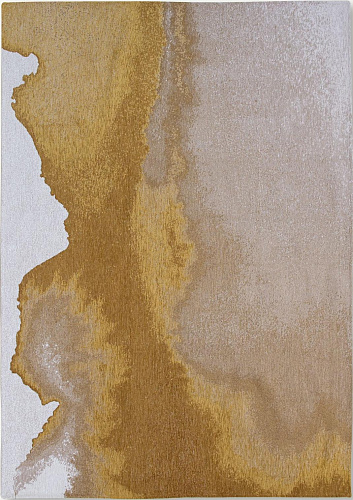
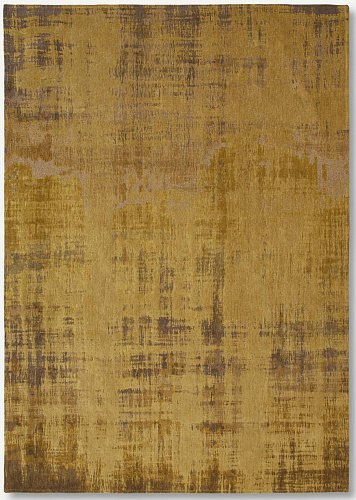
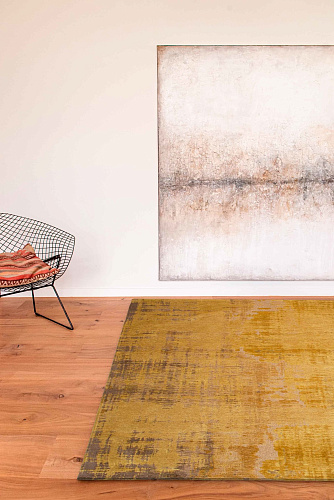
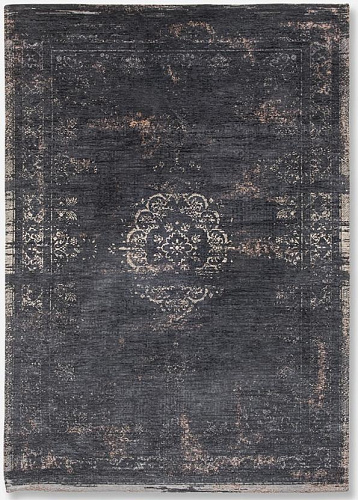
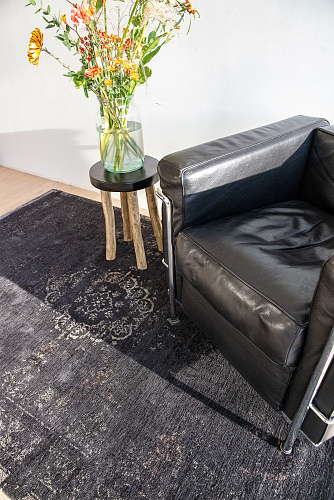
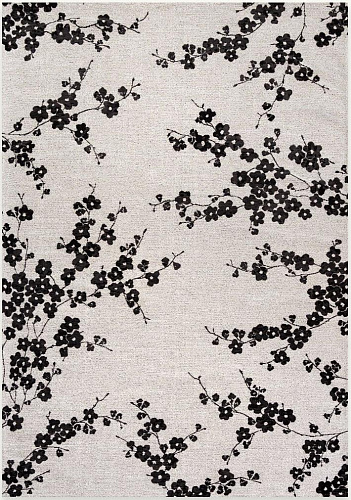
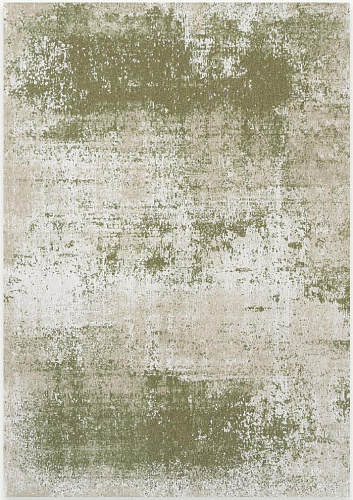
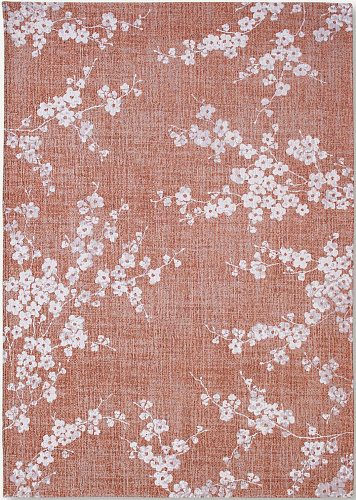
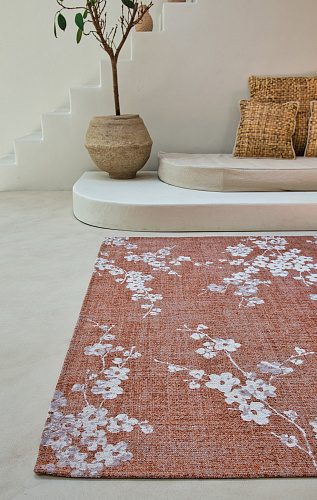
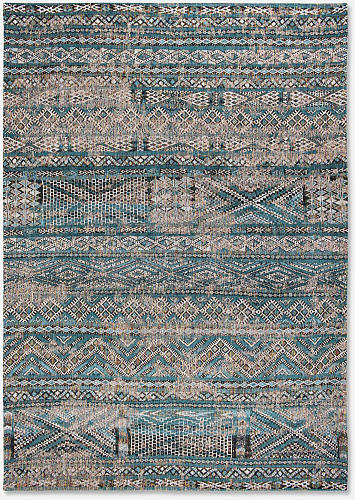
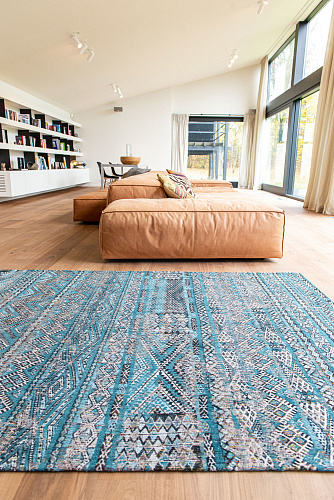
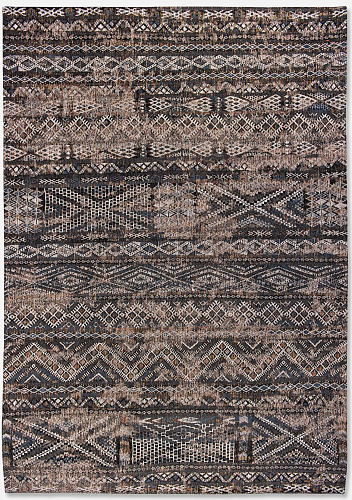
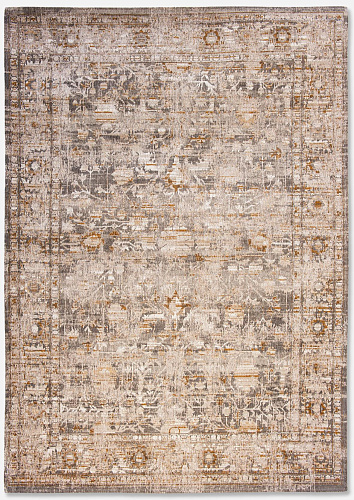
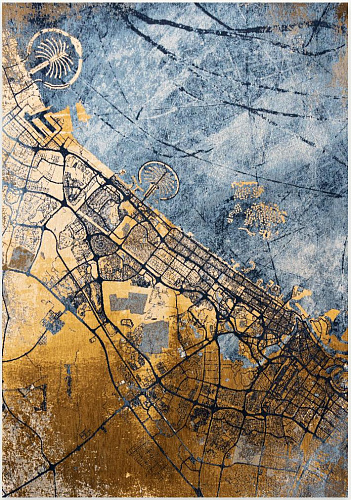
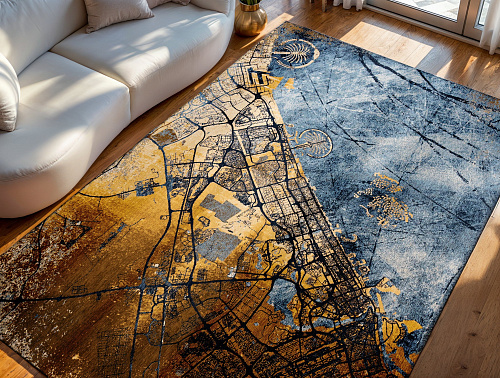
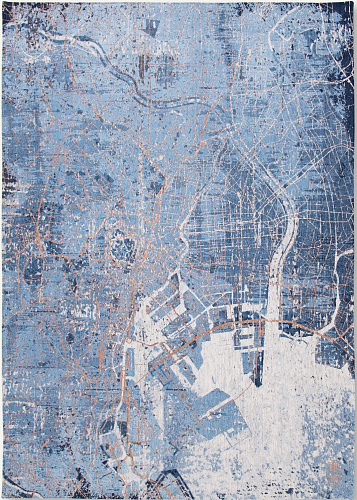
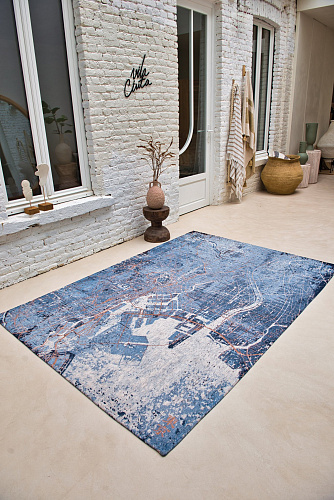
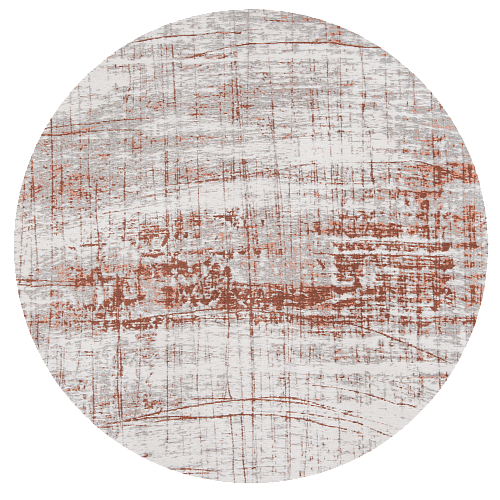
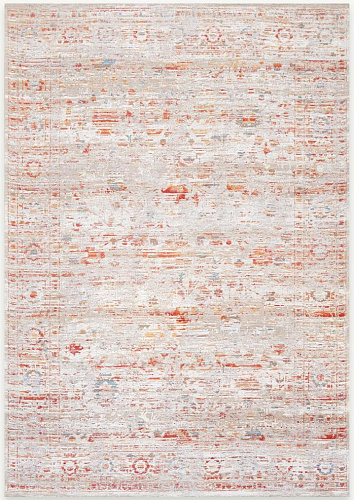
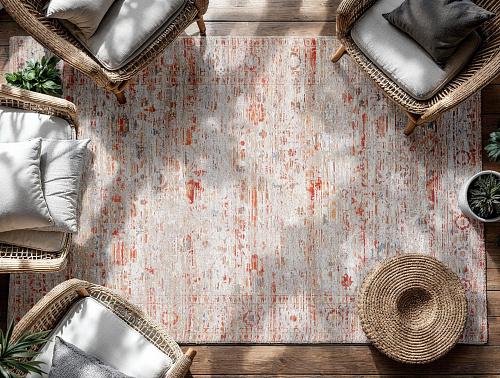
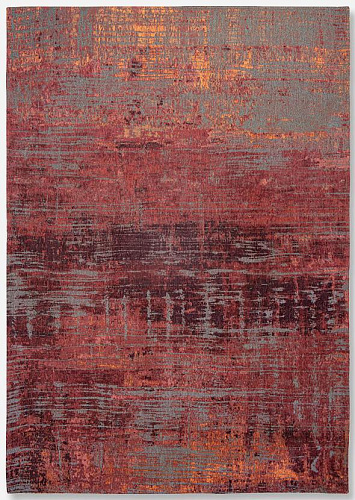
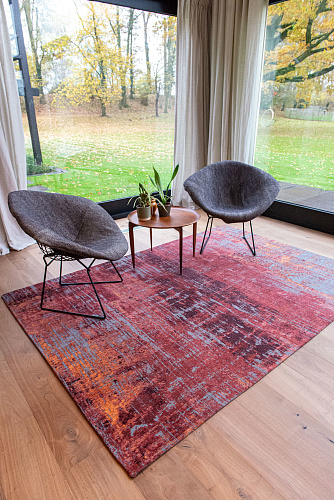
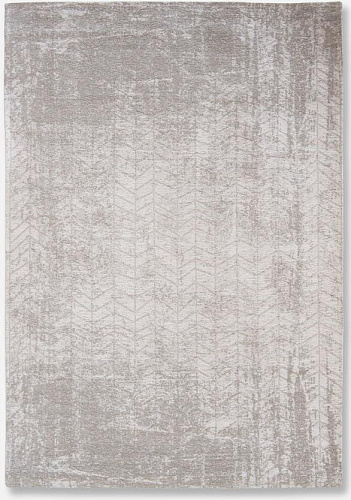
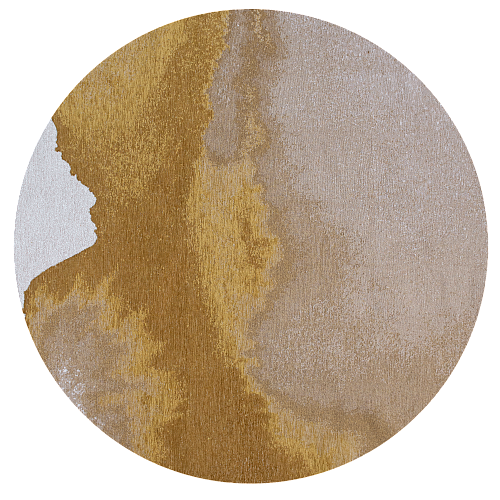
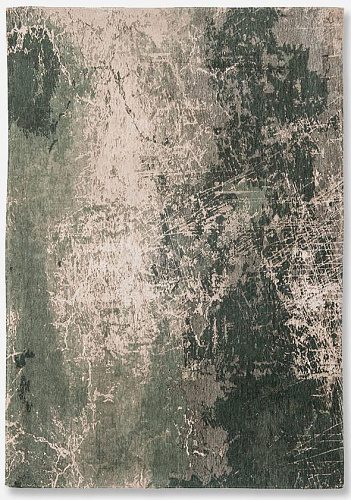
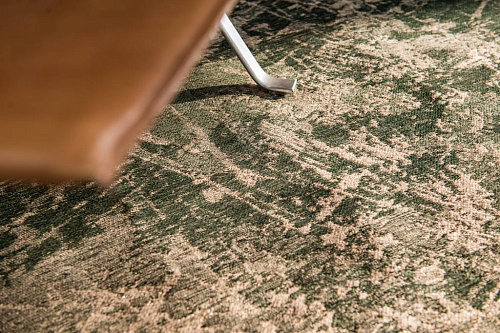
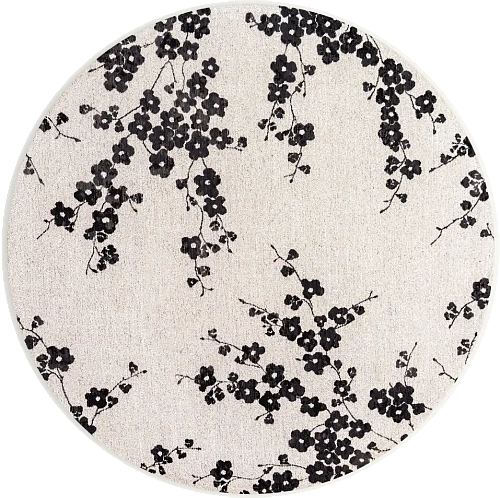
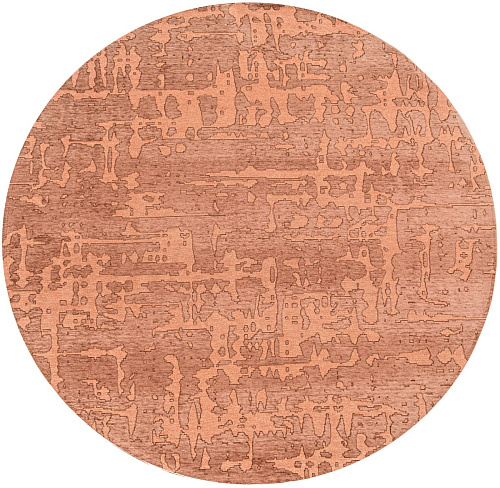
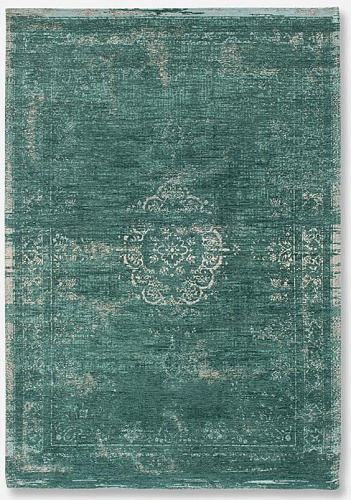
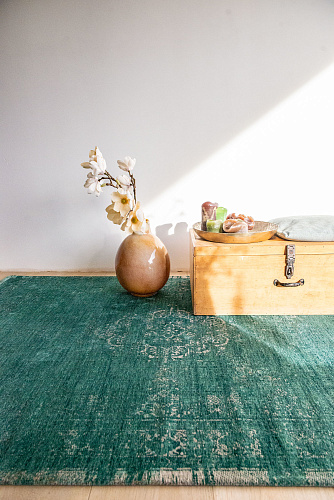
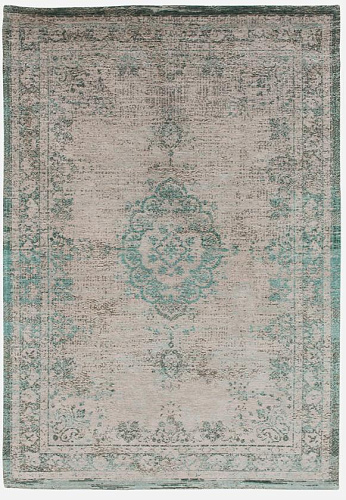
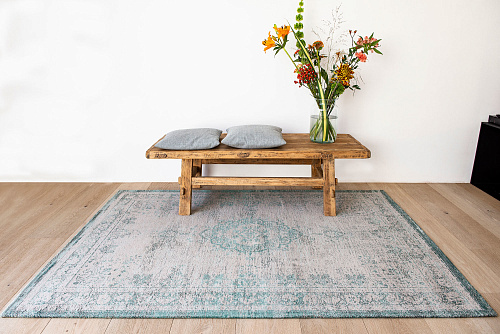
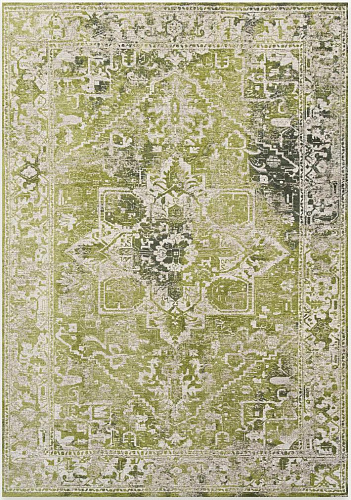
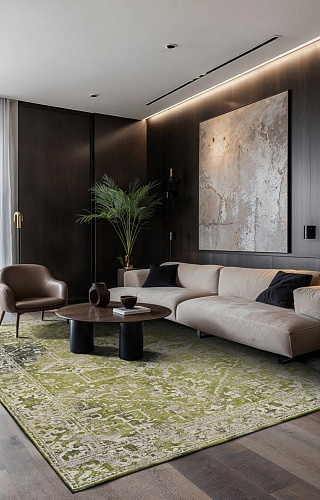
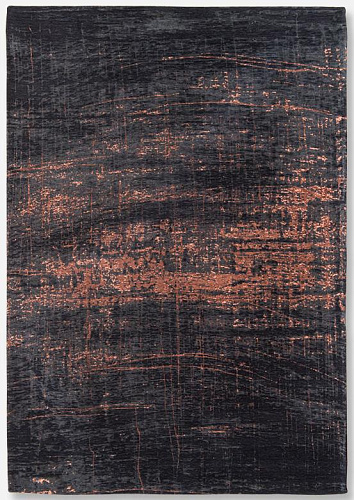
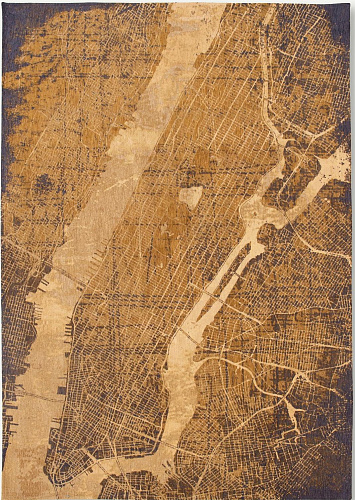
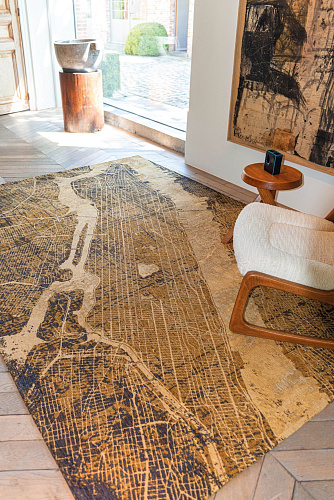
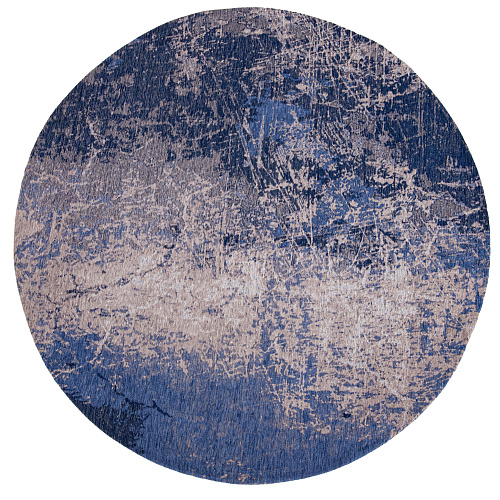
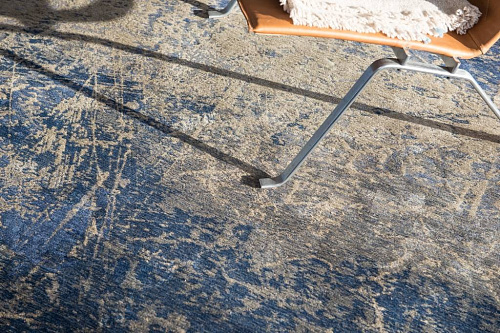
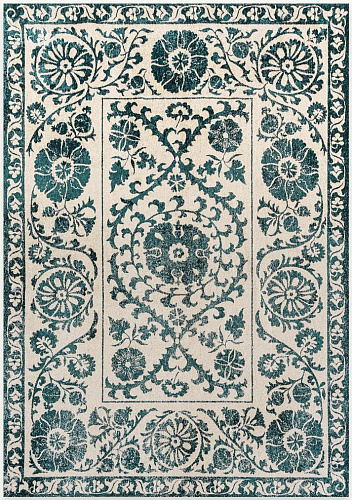
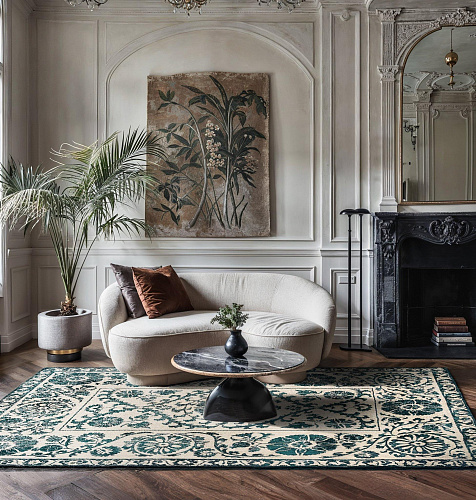
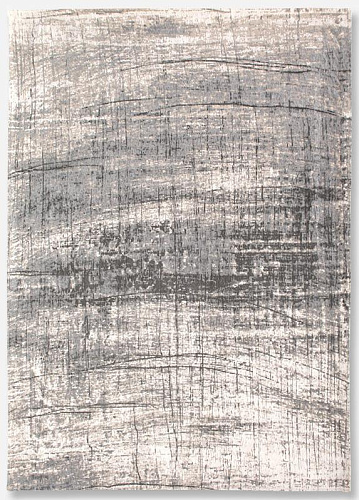
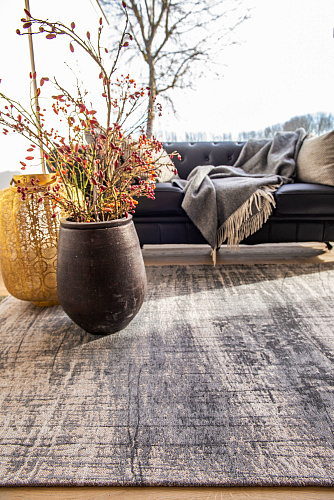
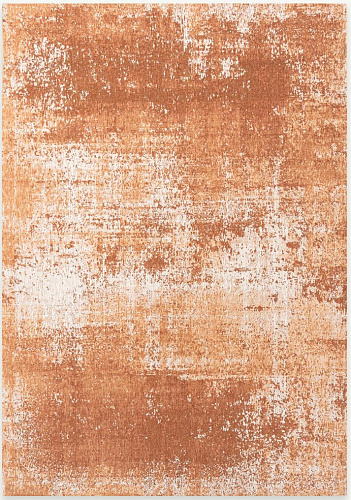
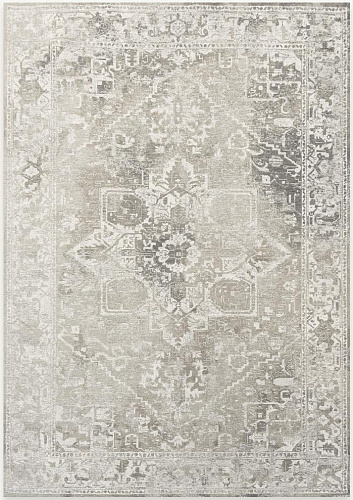
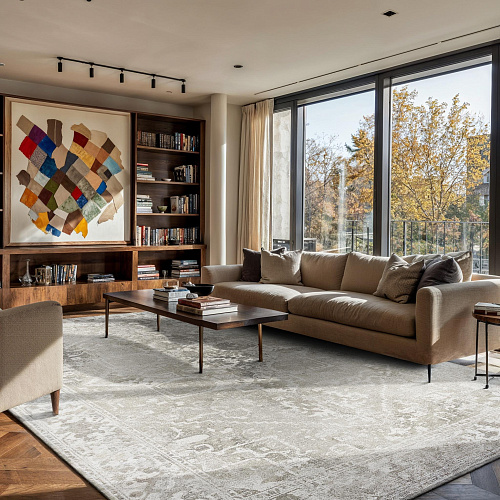
The flatweave construction is what makes Louis De Poortere's most recognised collections possible. The Fading World series — arguably the brand's best-known range — uses the Jacquard process to reproduce the look of antique Oriental carpets with intentional colour degradation: faded edges, worn centres, the visual patina of a rug that has been in a family for a hundred years. In a flatweave, that effect can be controlled with precision. The construction specs are consistent across the range: 85% cotton with 15% polyester, a pile height of 3mm, and natural latex anti-slip backing.
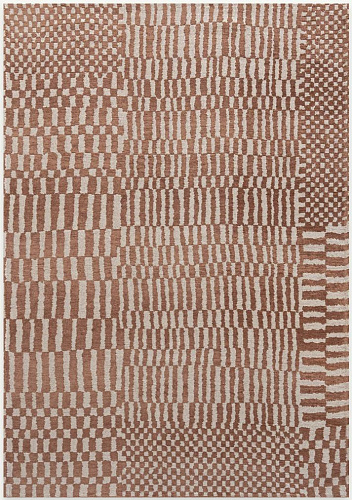
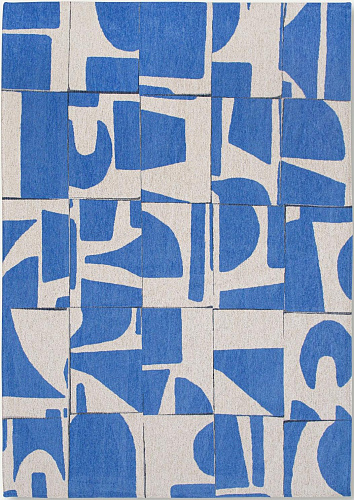
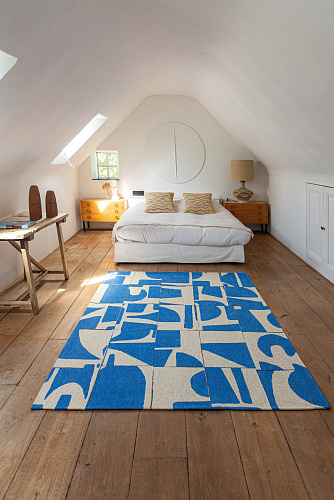
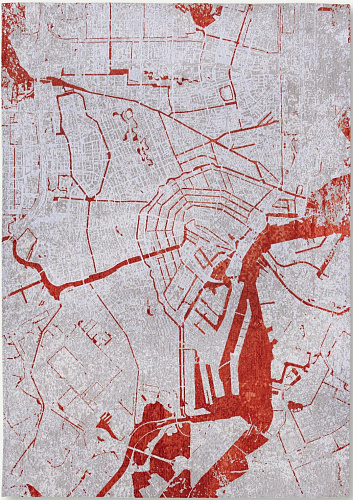
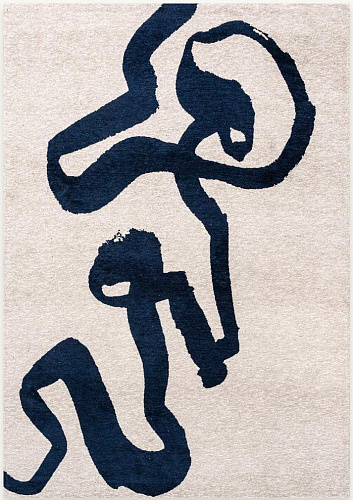
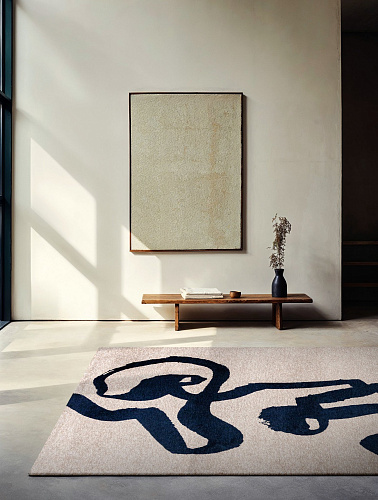
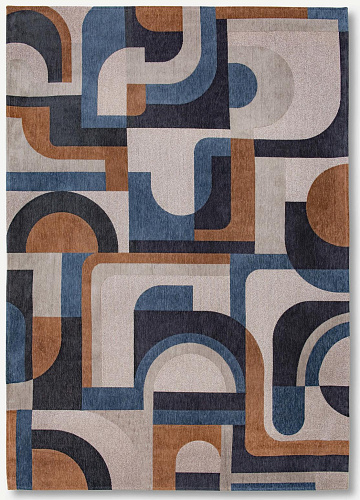
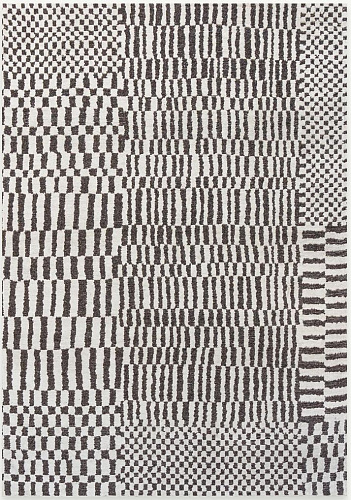
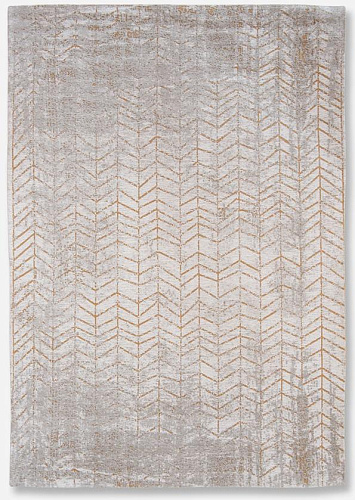
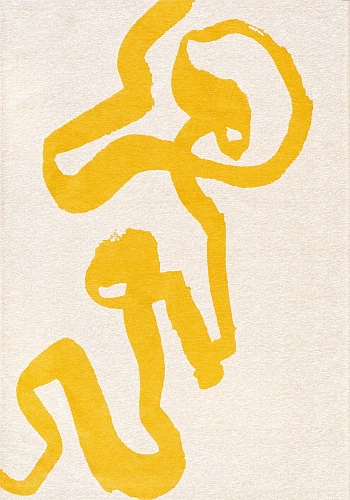
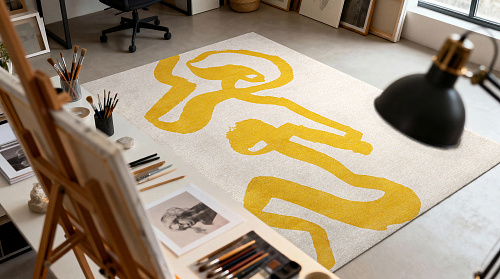
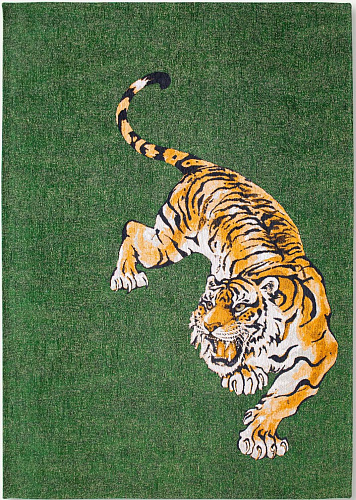
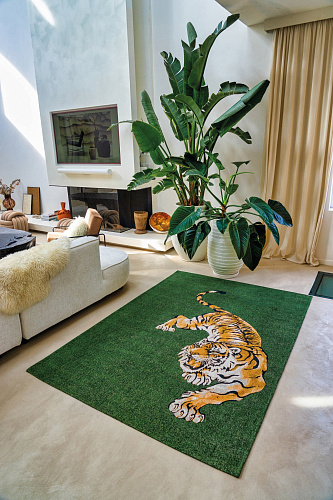
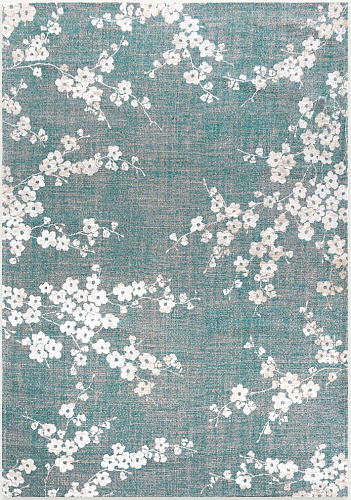
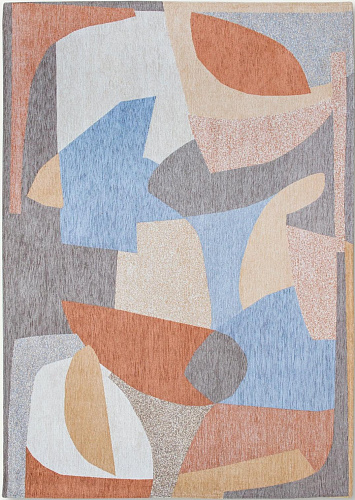
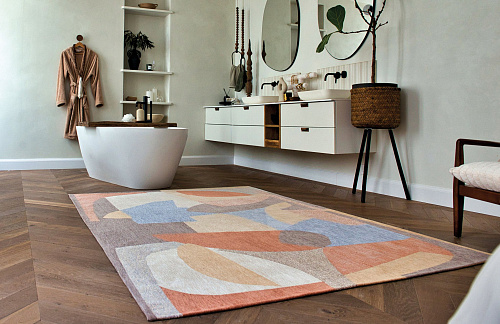
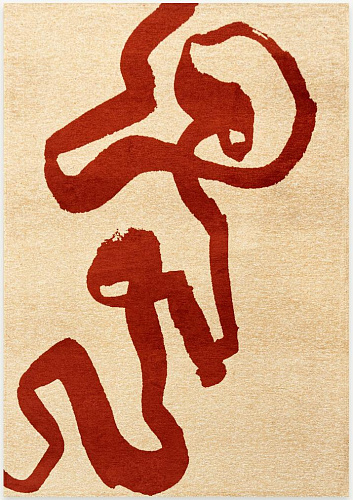
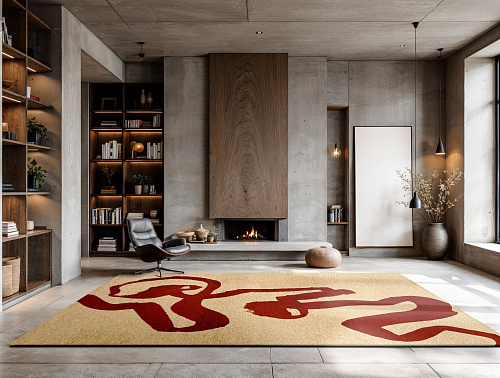
Fading World is the place to start for anyone drawn to the aesthetic of vintage Oriental rugs without the cost or fragility of the genuine article. The colour work is the main event — complex, layered, and convincingly aged. Mad Men moves in the opposite direction: mid-century geometric patterns, strong contrast, graphic rather than atmospheric. Antiquarian and Antique sit closer to classical carpet traditions — medallion formats, structured borders, deep grounds. Atlantic and Shores take a more contemporary approach, with looser, more expressive patterning.
In 2023, the brand launched Ecorugs — a collection made from recycled polyester yarn recovered through its Take Care Program, which also accepts end-of-life rugs back into the production cycle. The carbon footprint reduction compared to virgin polyester production is around 28%, verified through lifecycle assessment rather than estimated. This sits alongside a working ISO 9001 quality management certification and an active process toward ISO 14001 environmental certification.
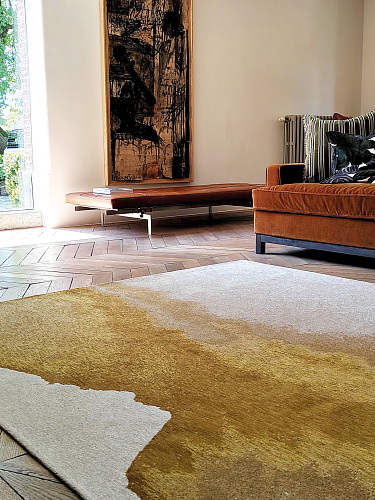
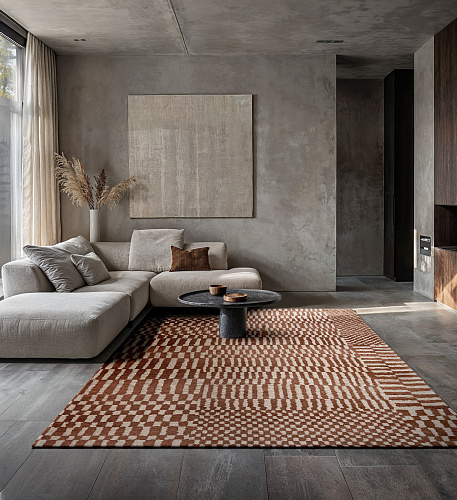
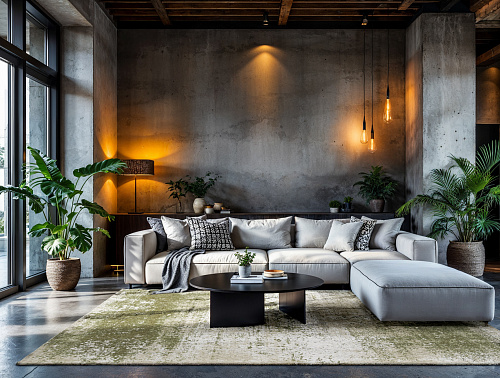
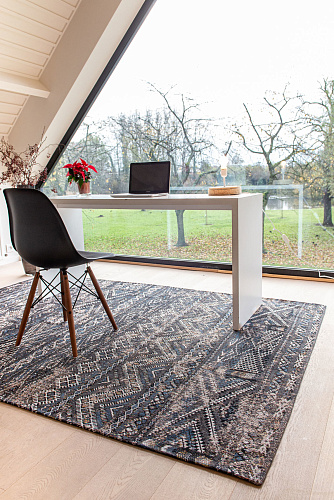
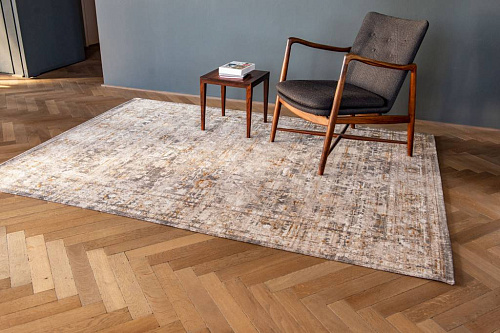
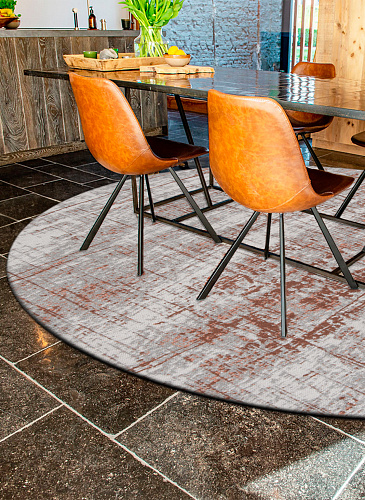
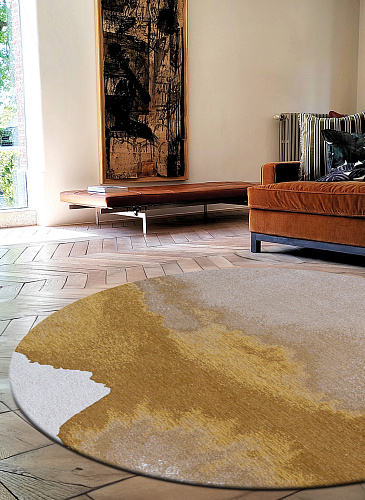
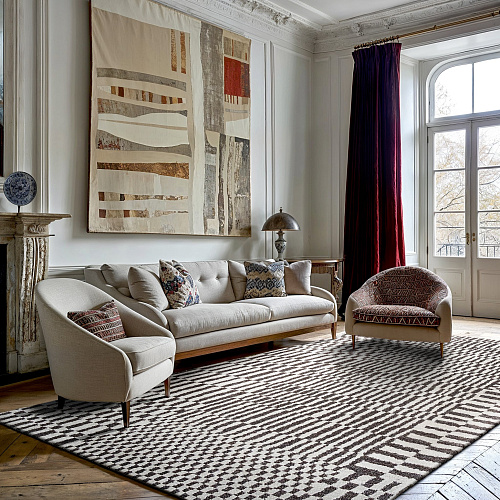
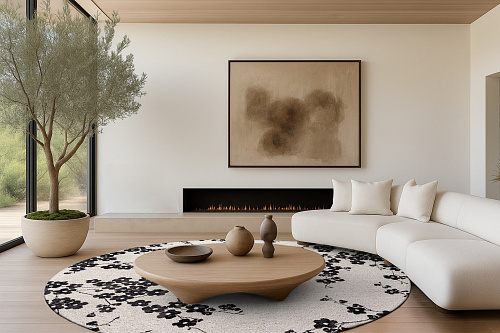
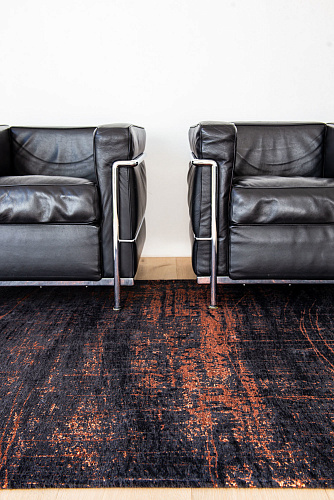
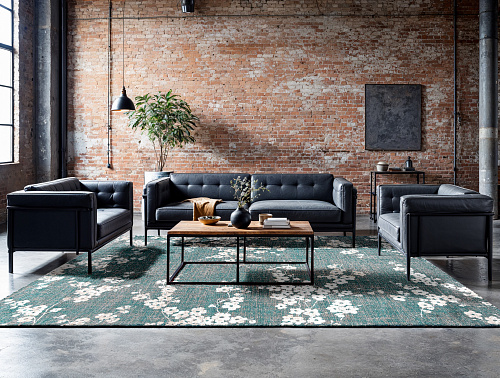
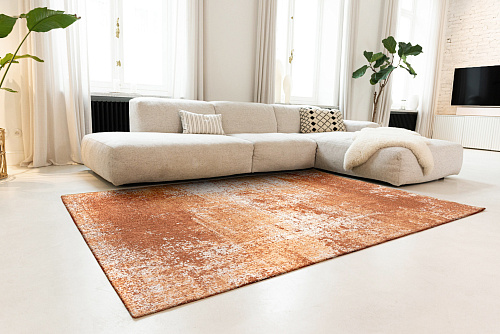
For spaces where a flatweave works better than a pile rug — high-traffic areas, rooms with low furniture clearance, or interiors where a more graphic, textile-like floor treatment is the intention — Louis De Poortere is one of the stronger options at this price point, backed by nearly a century of weaving experience and a design archive that continues to expand.