Shopping Basket
You have no items in your shopping basket.


Wishlist
Your wishlist is currently empty
Born in Finland in 1966, Kristiina Lassus studied design at the University of Industrial Arts in Helsinki, then moved to Milan in 1997 — a city that shaped her professional thinking as much as her Nordic education had. Her early product design work was for Alessi, Poltronova, and Zanotta. In 2004 she opened her own studio. Three years later, after extensive travel studying traditional craft workshops across Asia and the Middle East, she introduced her first rug collection under her own name. Everything since has been developed, supervised, and refined from that same Milan base.
The biography matters because it explains what the rugs actually are: the product of a Scandinavian instinct for restraint, an Italian eye for material quality, and a genuine technical understanding of Himalayan knotting traditions — not borrowed as aesthetic reference, but learned through direct engagement with the people who practice them.
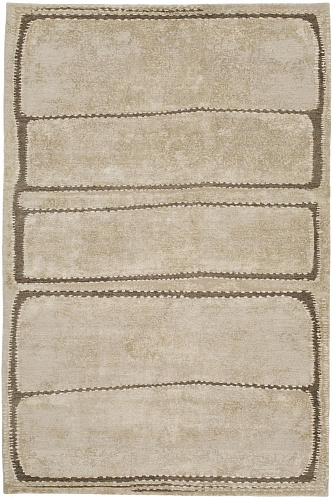
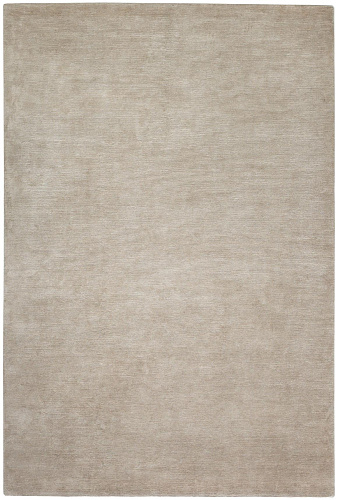
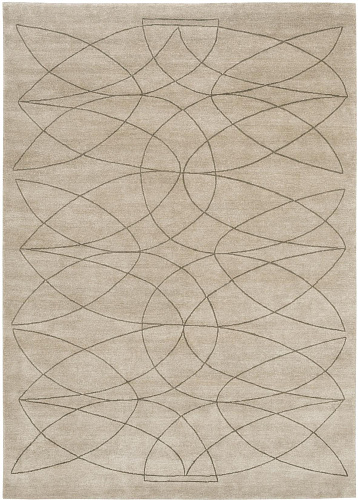
The primary collection is hand-knotted in Nepal using techniques brought to the region by Tibetan refugees who settled there in the 1960s. A single rug takes up to sixteen weeks to complete. The specification is 100 knots per square inch — some pieces at 80 — with a pile height of 4 to 5mm. The wool comes from Himalayan sheep grazing at altitudes around 3,000 metres, where the fibre develops a density and lanolin content that lower-altitude wools do not have. It is hand-carded, hand-spun, and hand-dyed, which produces the subtle tonal variation visible in the finished surface — not a flaw in the material, but a quality that cannot be replicated in mechanically processed yarn.
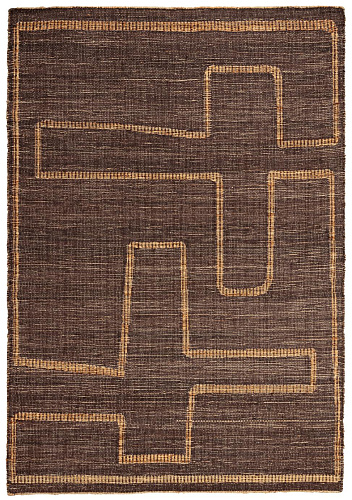
Materials across the collection include Tibetan wool, silk, bamboo silk, natural linen, hemp, and nettle, used individually or in combination depending on the design intent. In 2024, Lassus introduced two new production lines — one in Pakistan using hand-spun Afghan wool with Persian knotting at 36 knots per square inch, and one in India — expanding the range without compromising the core standards of the Nepali collection. All production is Label STEP certified, verifying ethical labour practices and no child labour throughout the supply chain.
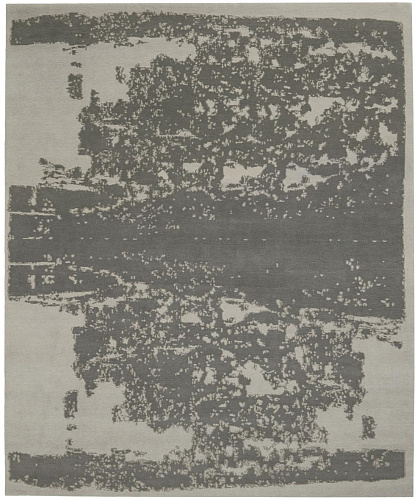
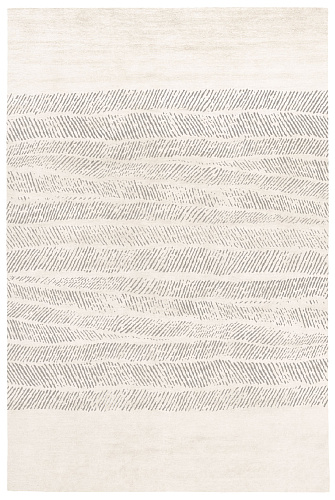
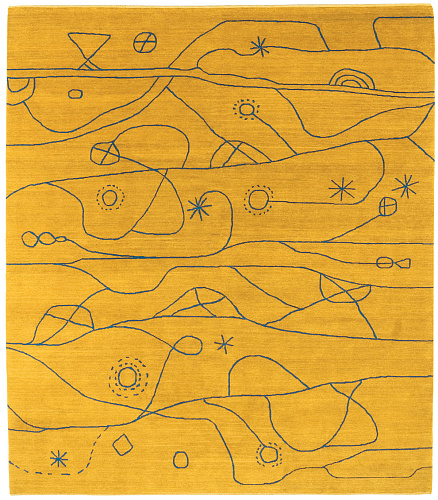
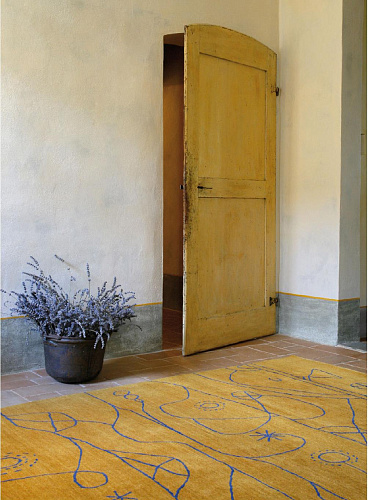
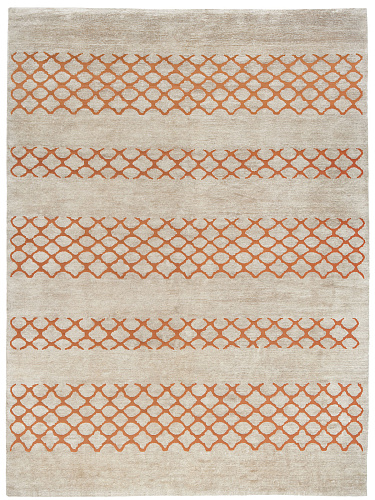
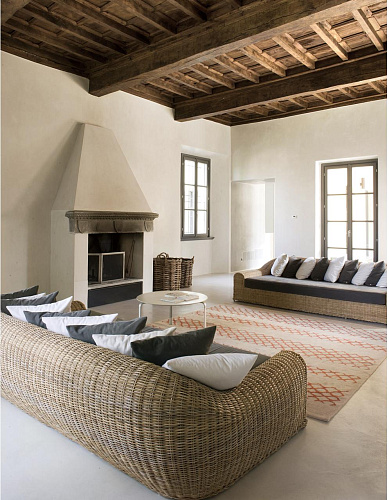
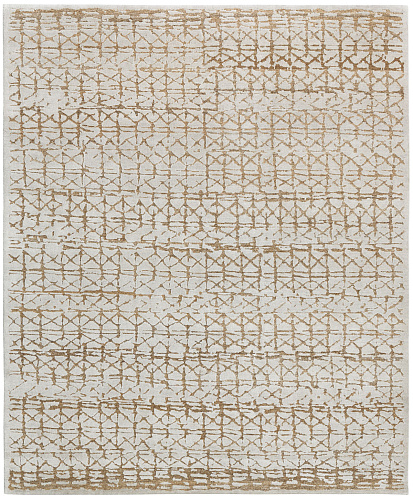
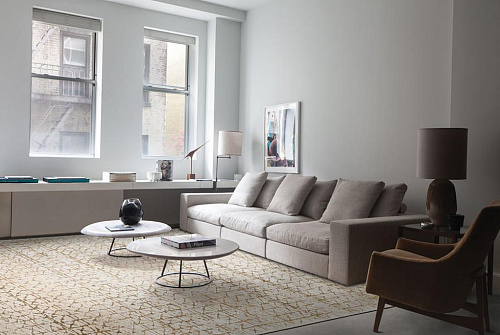
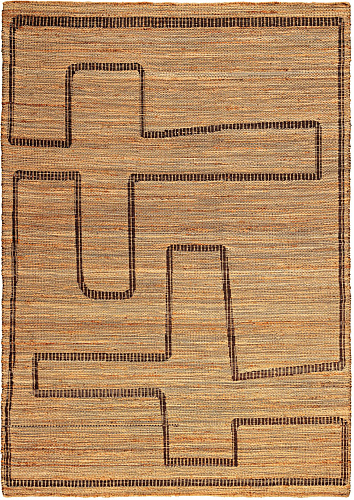
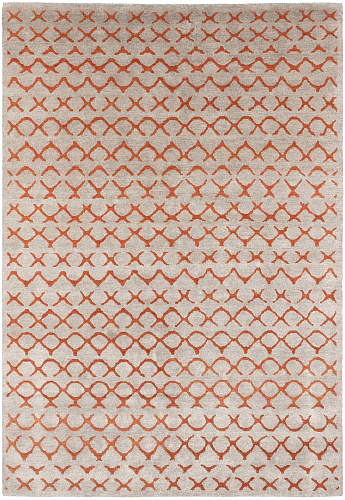
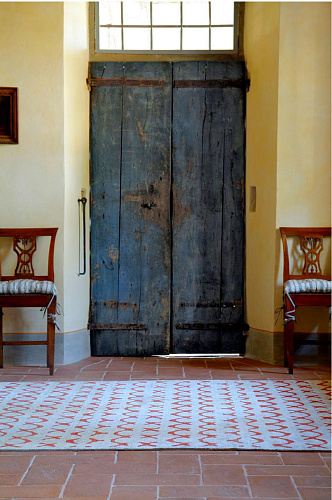
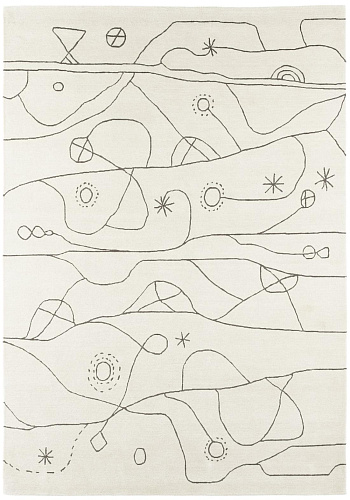
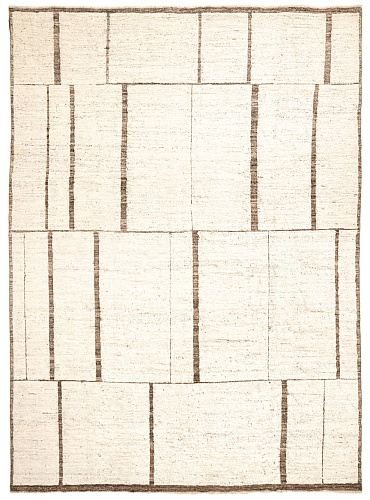
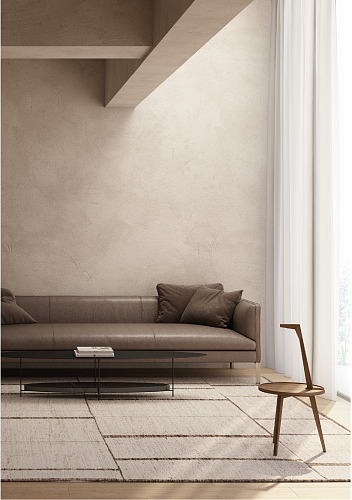
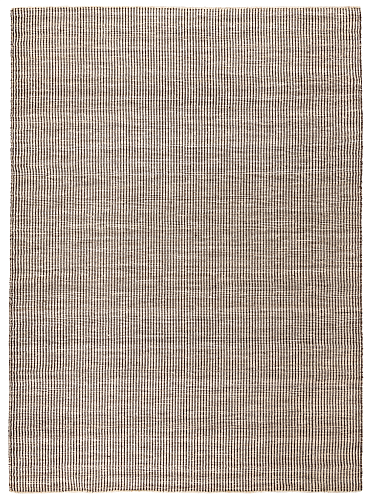
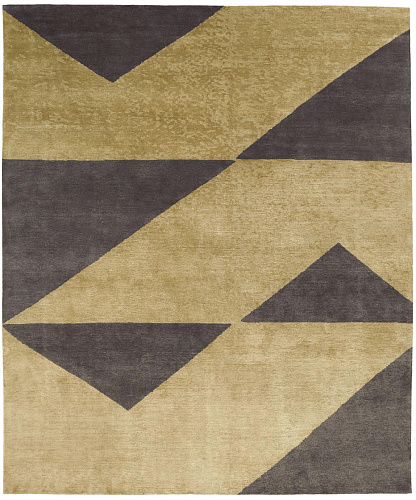
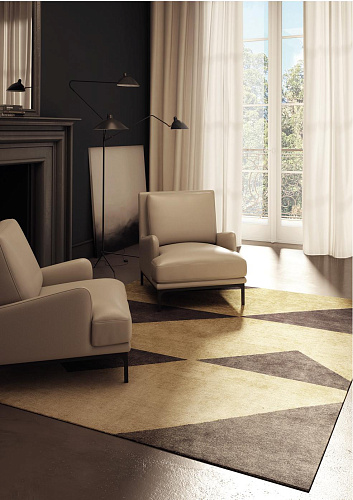
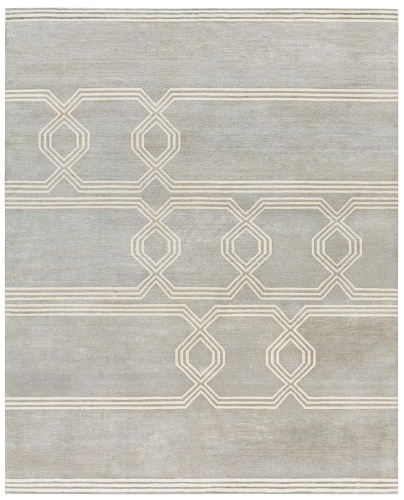
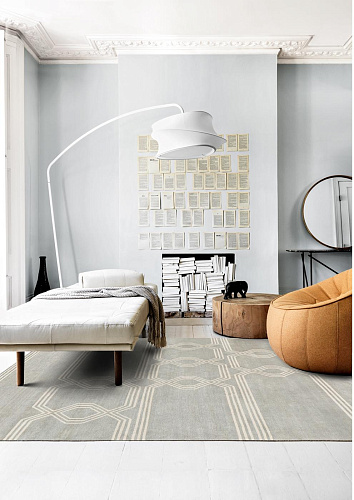
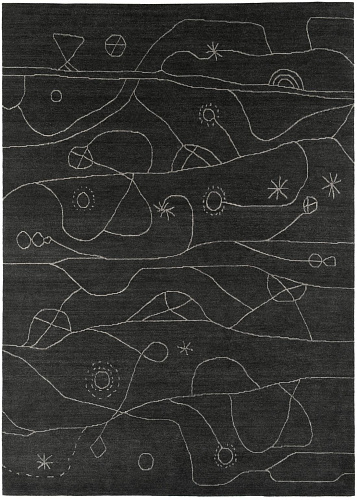
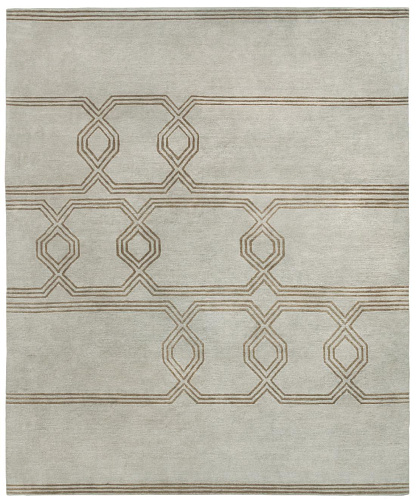
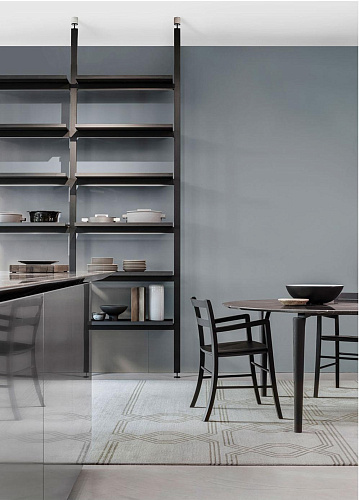
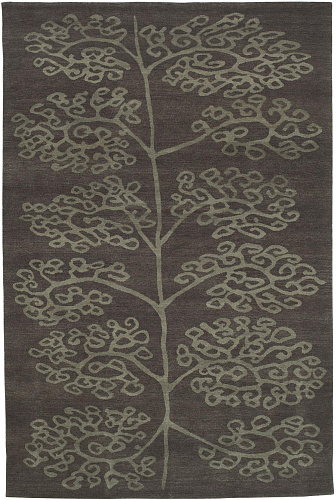
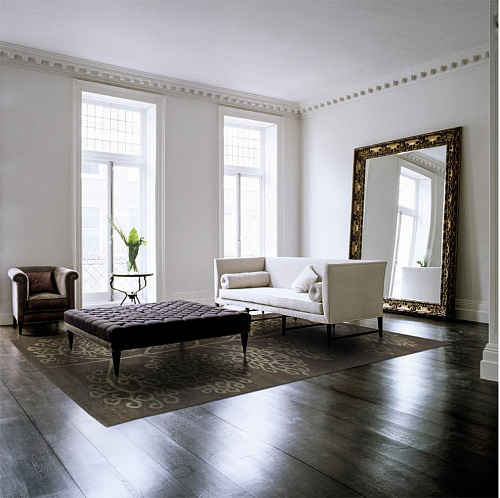
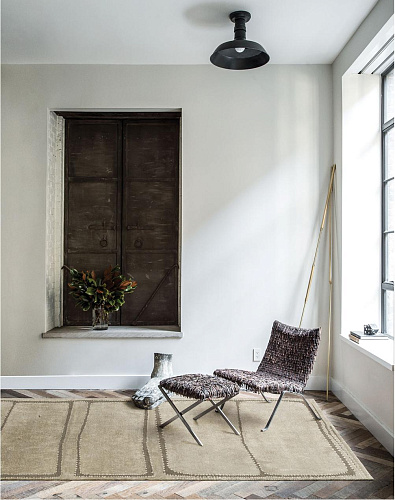
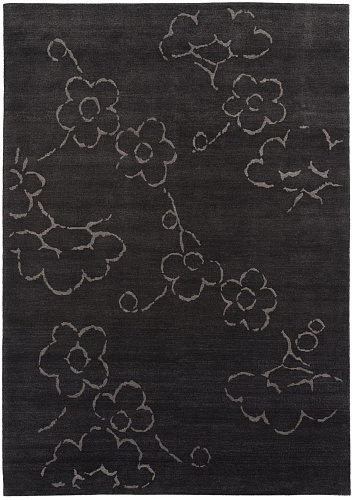
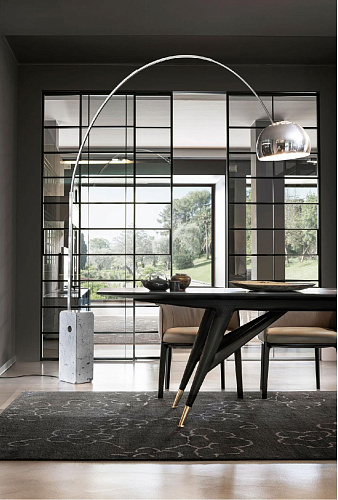
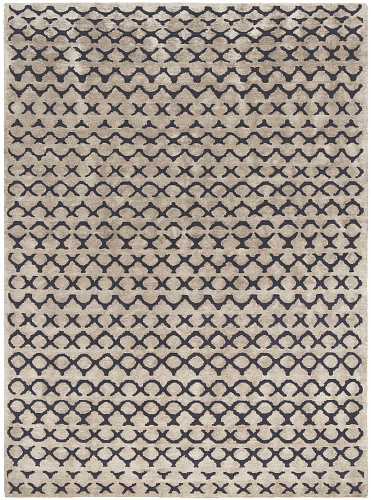
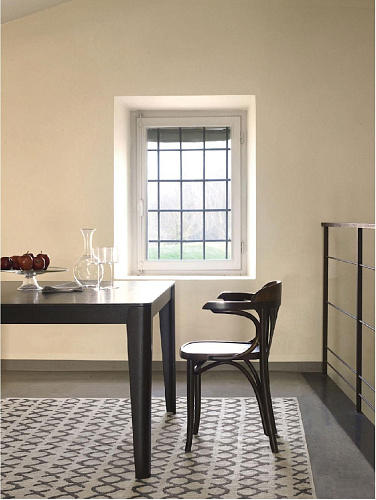
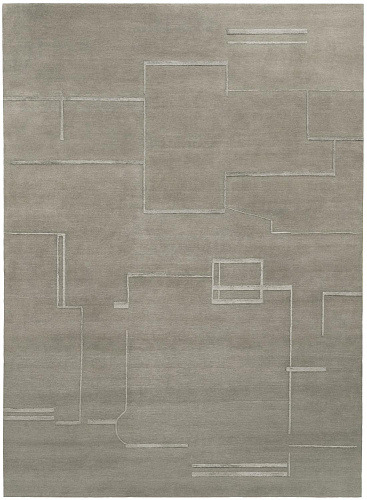
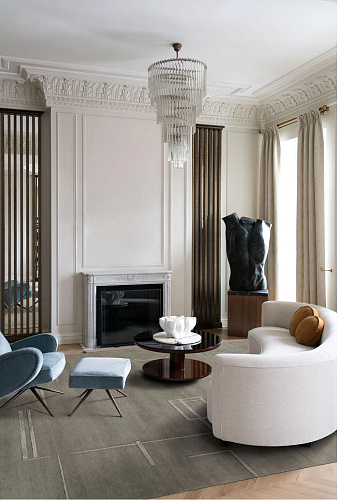
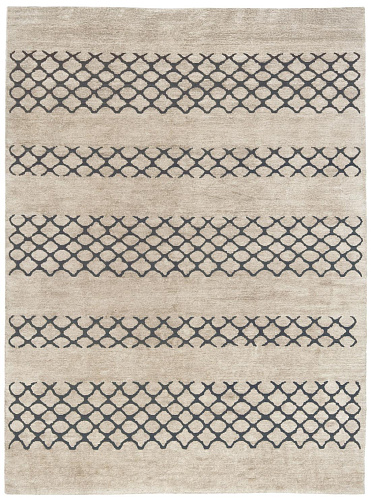
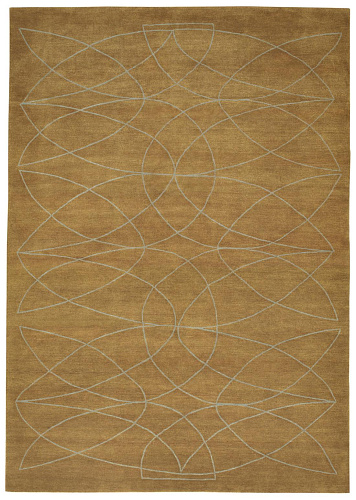
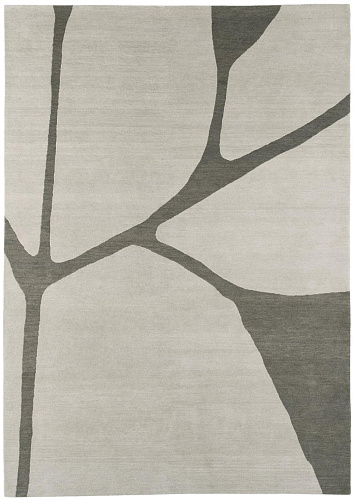
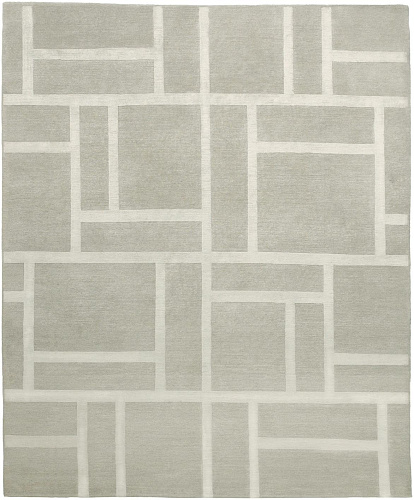
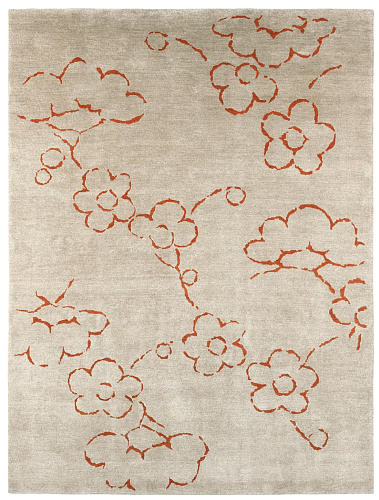
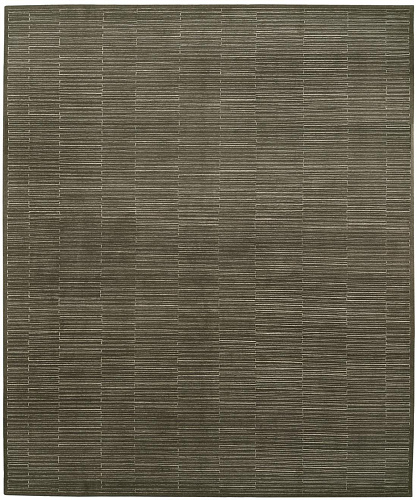
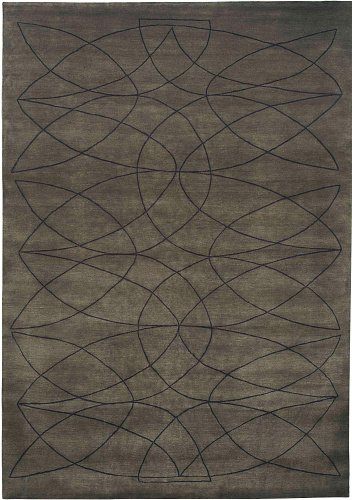
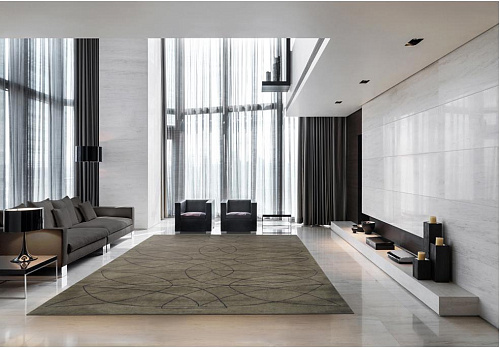
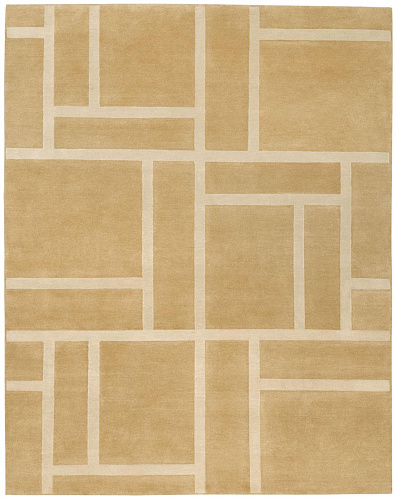
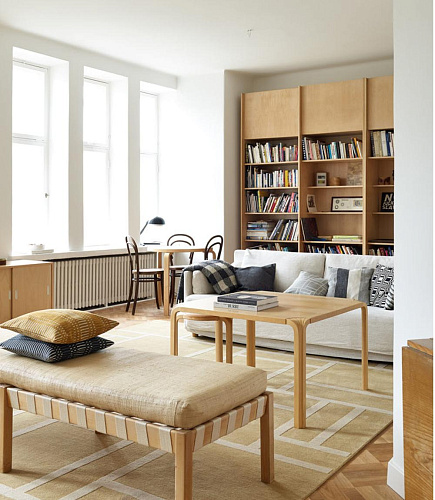
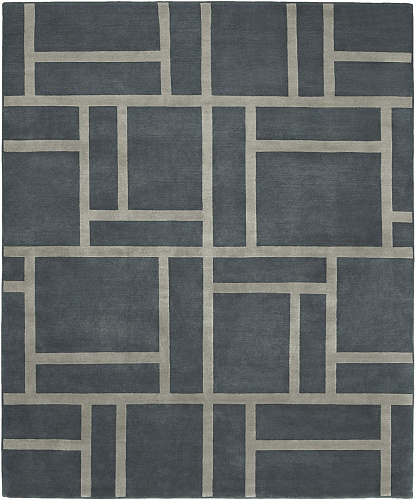
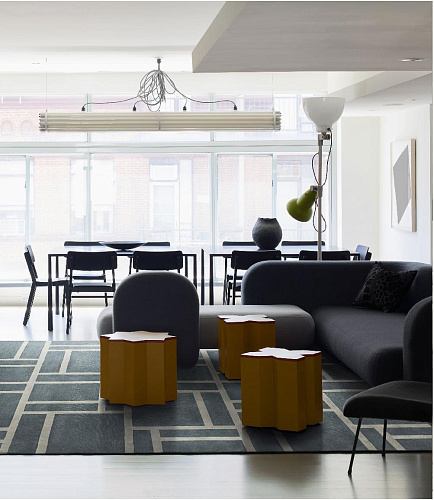
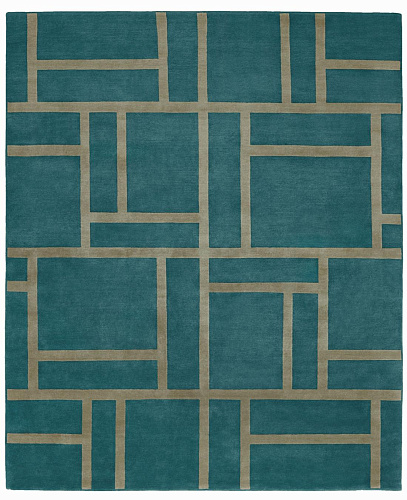
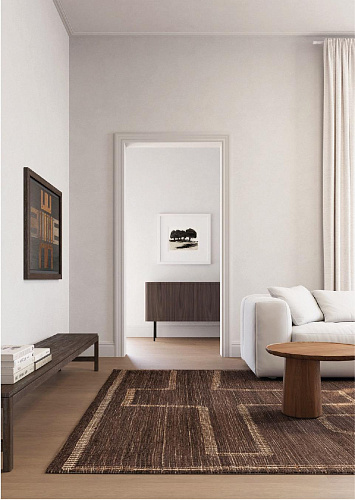
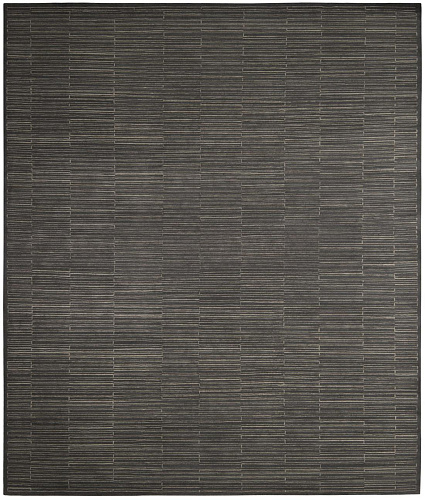
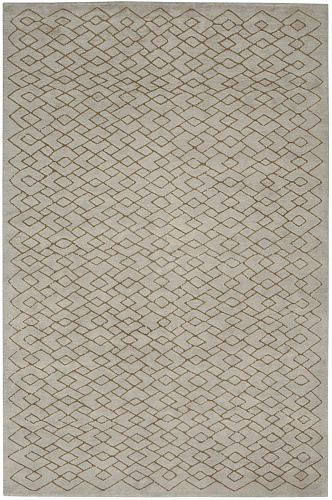
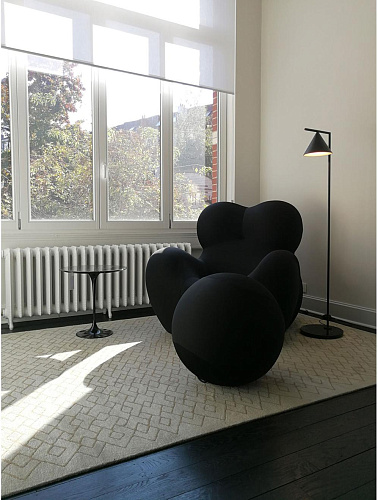
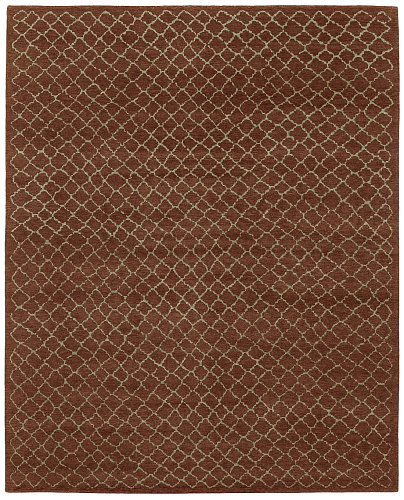
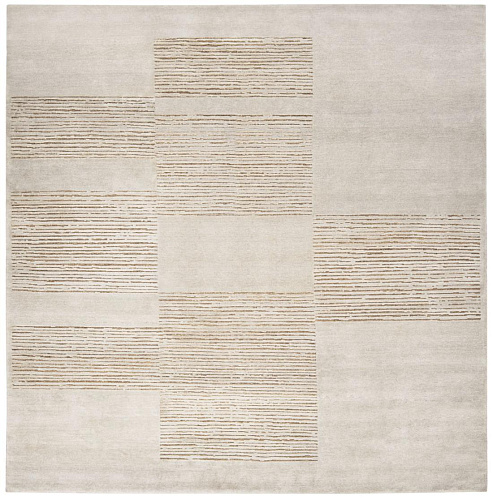
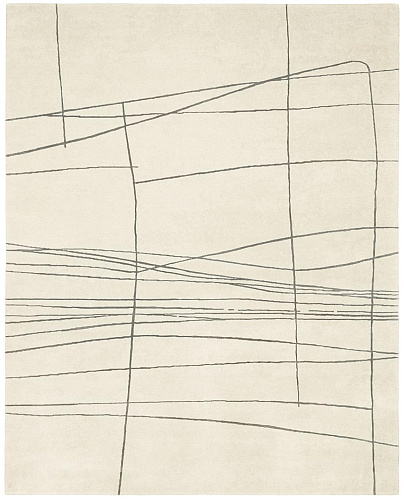
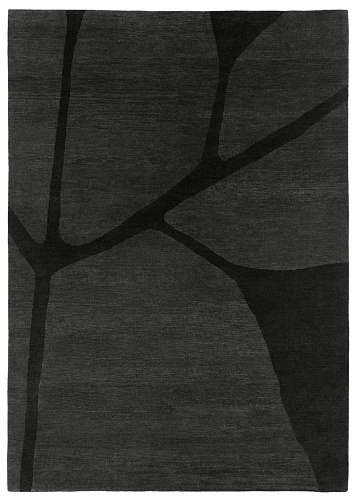
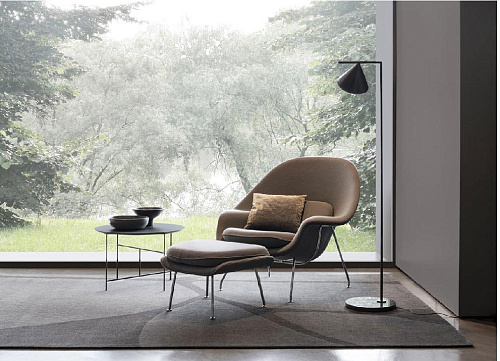
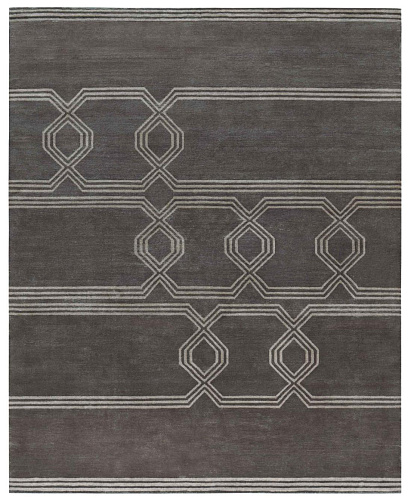
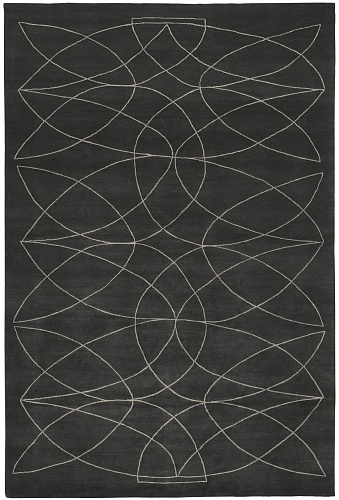
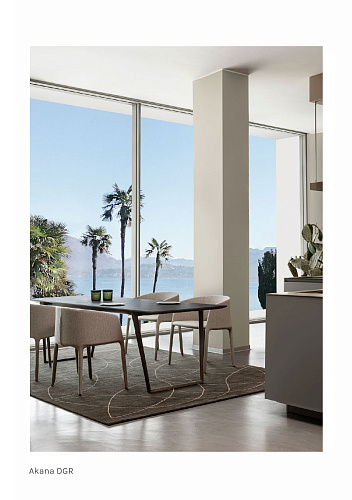
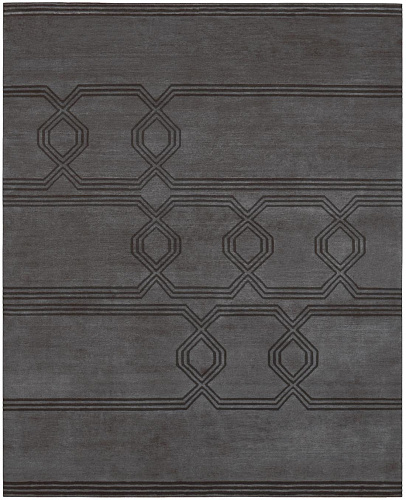
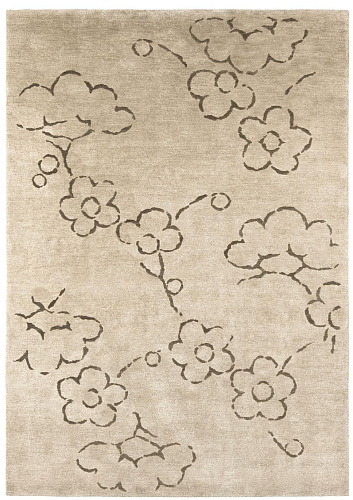
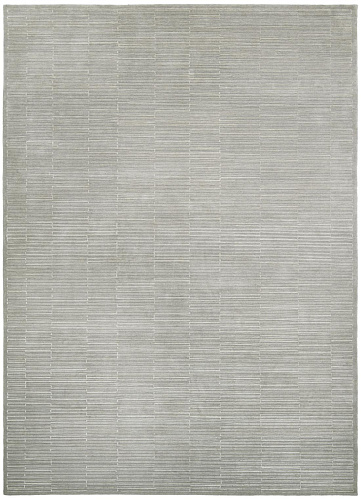
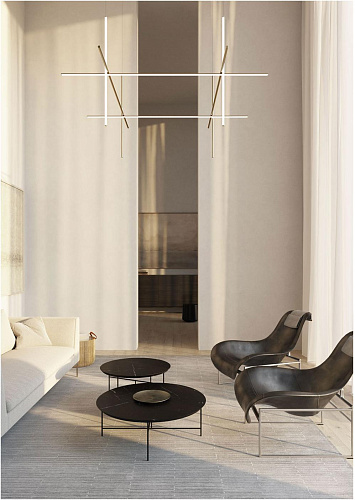
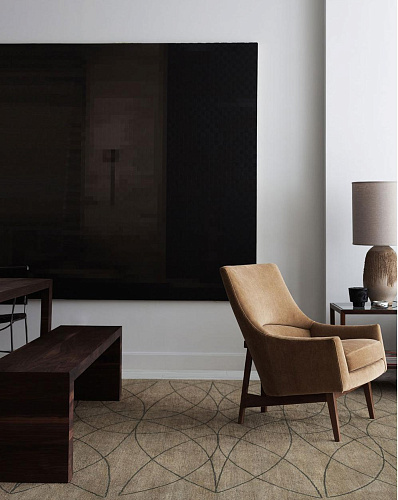
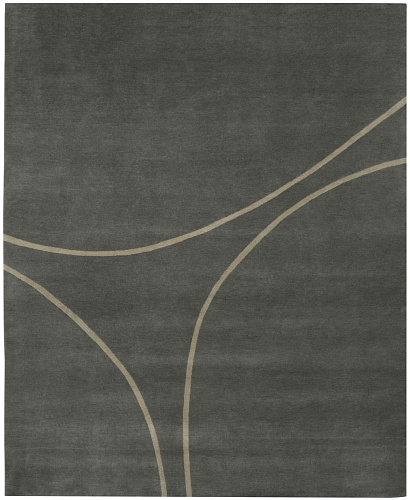
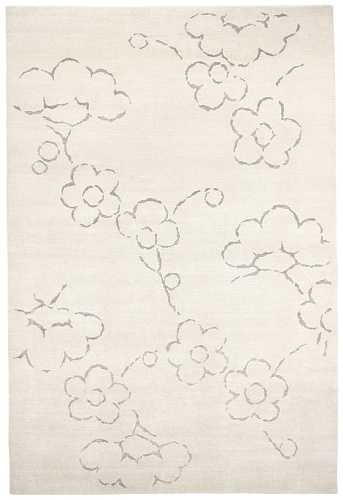
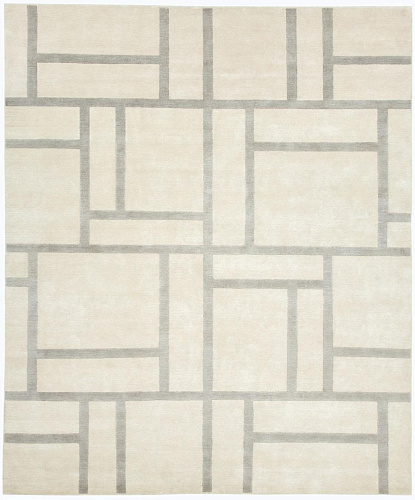
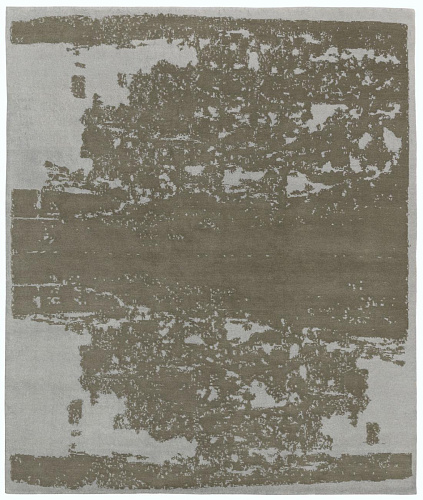
The visual language of the collection is precise and low in noise. Lassus works with geometric structure, tonal gradation, and texture contrast rather than illustrative or figurative motifs. The palettes tend toward natural and muted — greys, warm beiges, soft golds, earthy greens — which reflects both the Scandinavian background and a deliberate understanding that a rug bought for the long term should not depend on the taste of the year it was purchased.
One material property worth noting: Himalayan wool rugs typically improve with age. The lustre of the fibre increases with use, which means the surface becomes more visually rich over years rather than duller. For a piece that takes sixteen weeks to produce, that kind of longevity is the appropriate return on the investment.
Most pieces in the collection can be customised in size, shape, colour, and quality. The studio in central Milan is available for consultation by appointment.