Shopping Basket
You have no items in your shopping basket.


Wishlist
Your wishlist is currently empty
Rino Greggio was fourteen years old when he began his apprenticeship in a silversmith workshop in Padua. After the war, with barely enough money from the sale of his bicycle, he bought his first kilogram of silver and started a small silversmithing operation with two partners. That was 1948. What followed was three generations of family-run manufacturing that grew into one of Europe's largest producers of silver and silver-plated objects — a company whose products now appear in royal households, in the best hotels in the world, and in the archive of Harrods, where Greggio opened its own corner in 1990.
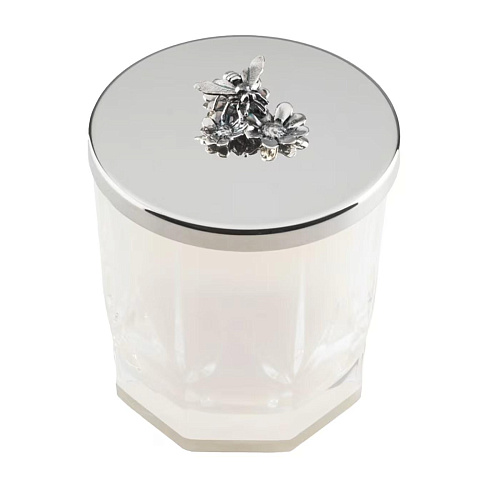
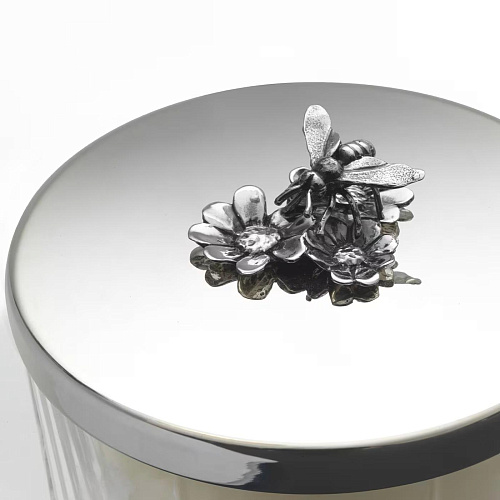
The group today operates under the name Greggio Group International and encompasses several historic brands acquired over the decades: Cesa1882 and Ricci Argentieri joined in 1995, Masini Firenze in 2010, Dogale — a specialist in hand-decorated glass with silver plating — founded by Greggio itself in 2004. Every phase of production, from design to hand polishing, takes place exclusively within Greggio's own facilities in Padua. There is no outsourcing. That level of vertical integration is unusual at this scale, and it is the main reason the quality standard remains consistent across a catalogue that runs to thousands of individual pieces.
In 1994, Rino Greggio founded the Silver Academy — not as a marketing gesture but as a functioning institution dedicated to preserving the craft knowledge, history, and design philosophy of Italian silversmithing. It operates as both a training resource and a museum-library. The fact that a manufacturer would invest in something like this tells you something about how the company sees itself: not as a producer of decorative objects, but as a guardian of a material tradition that takes generations to learn and can be lost in far less time.
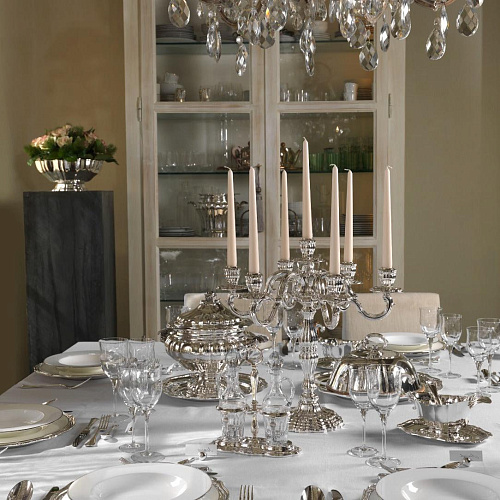
That orientation shapes the design process. Greggio works with external designers while maintaining its own in-house research and development centre, and the results balance two things that are genuinely difficult to hold together — classical proportions and contemporary sensitivity. The historical collections carry the decorative relief work and formal elegance of the great Italian silver tradition. The newer lines tend toward smoother surfaces, cleaner geometry, and a more restrained visual language. Neither cancels the other out; they coexist in a catalogue broad enough to serve both a hotel needing formal cutlery and a design-conscious private client furnishing a modern interior.
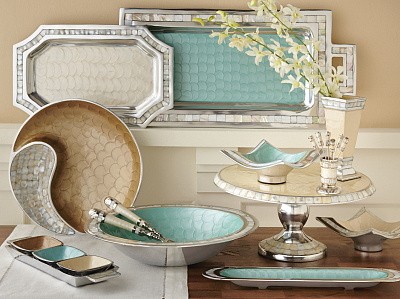
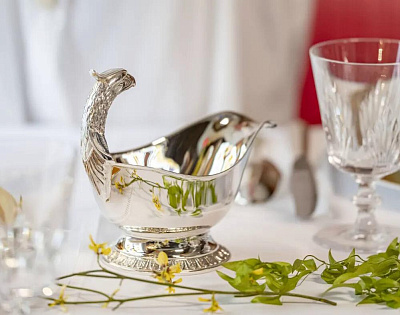
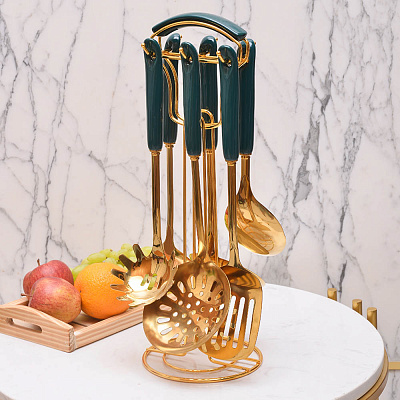
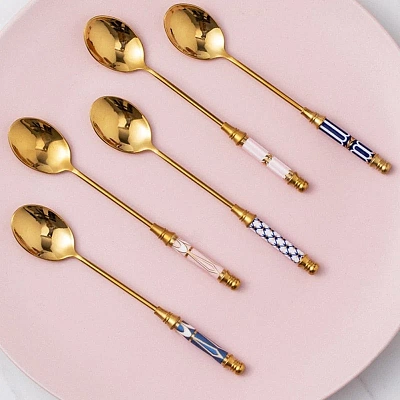
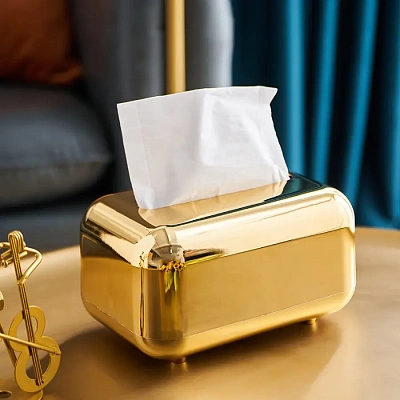
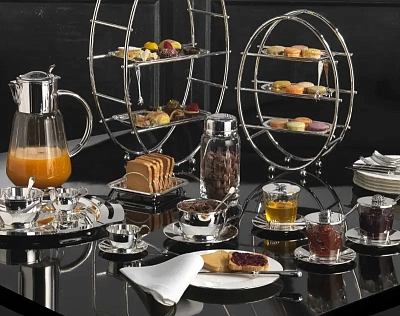
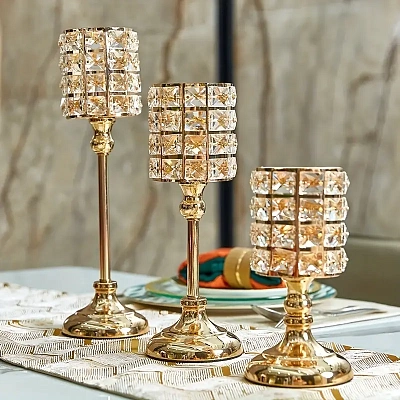
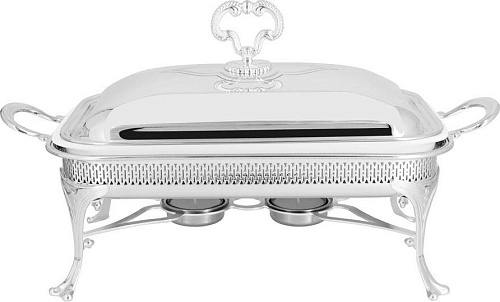
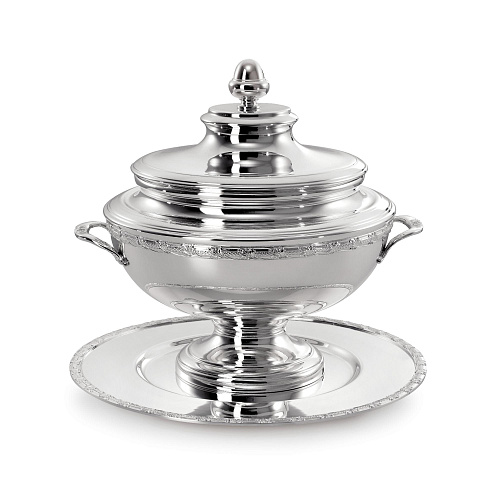
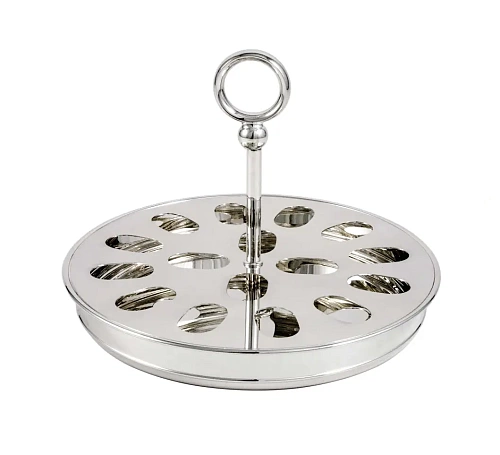
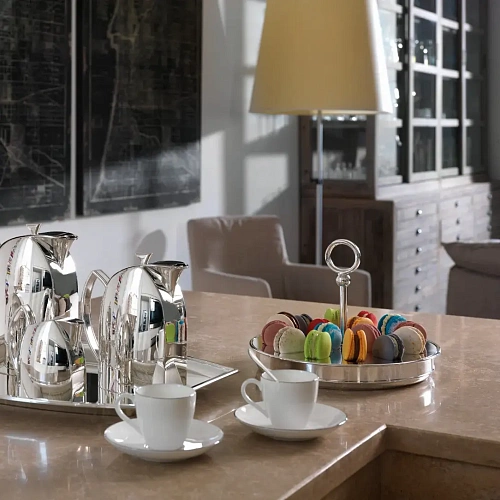
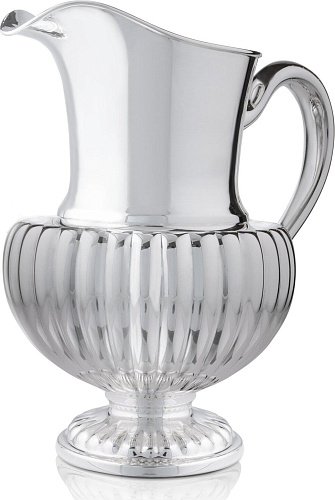
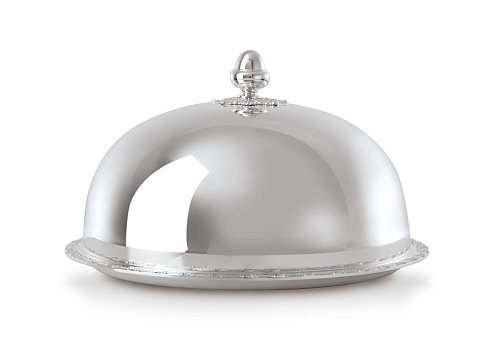
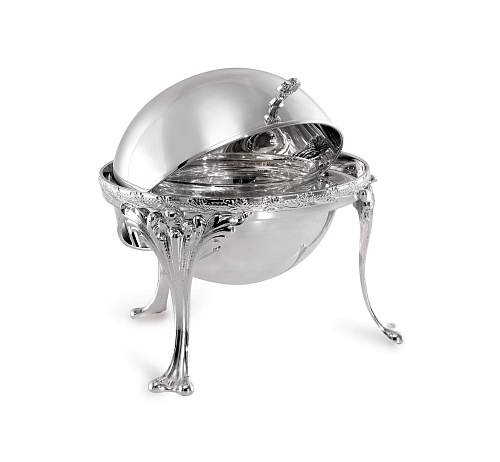
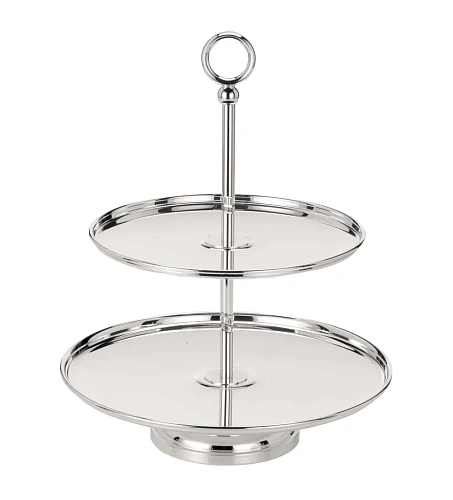
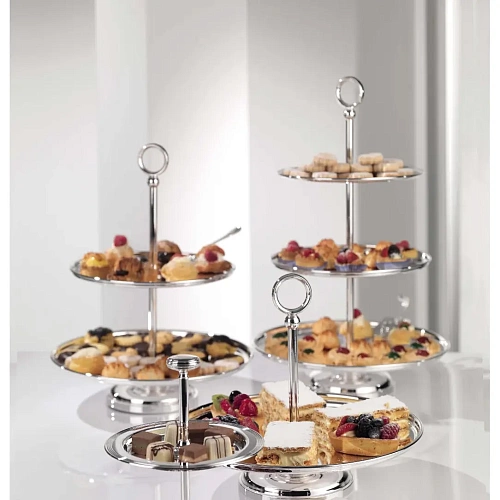
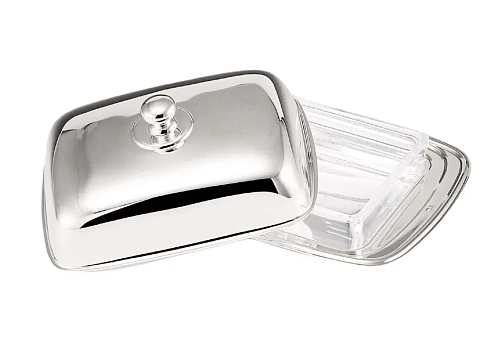
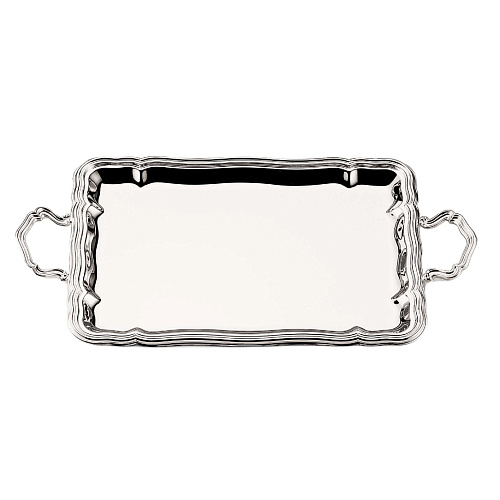
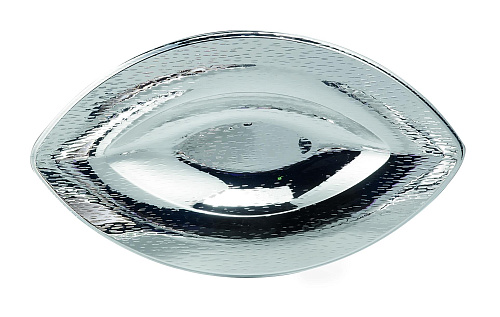
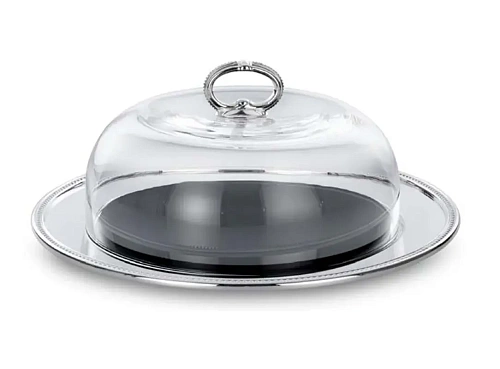
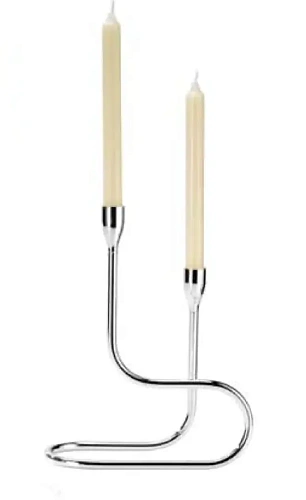
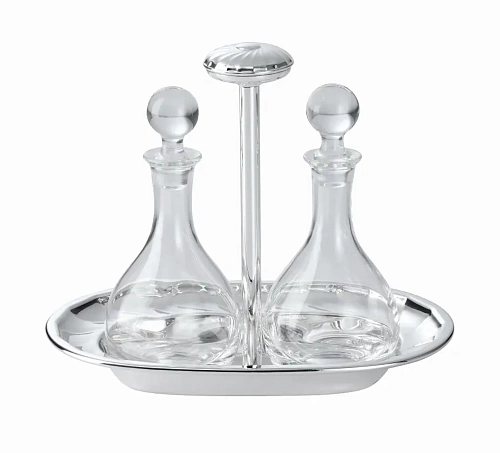
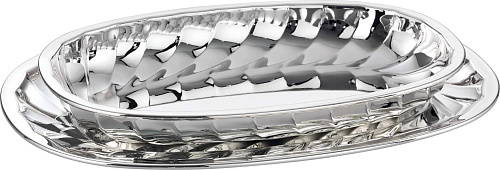
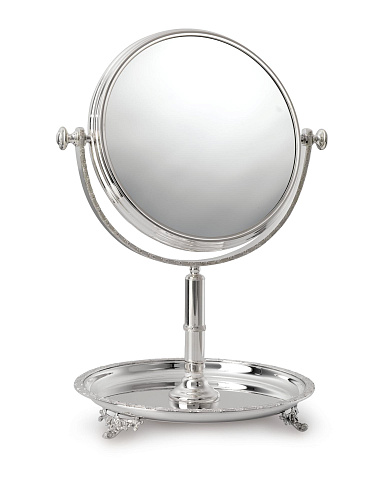
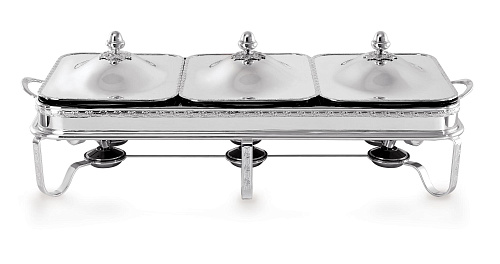
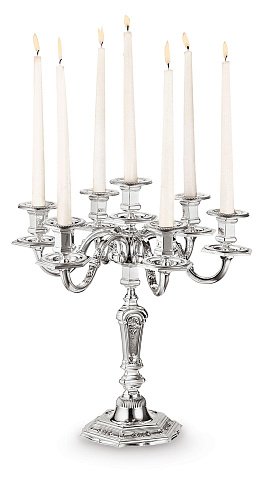
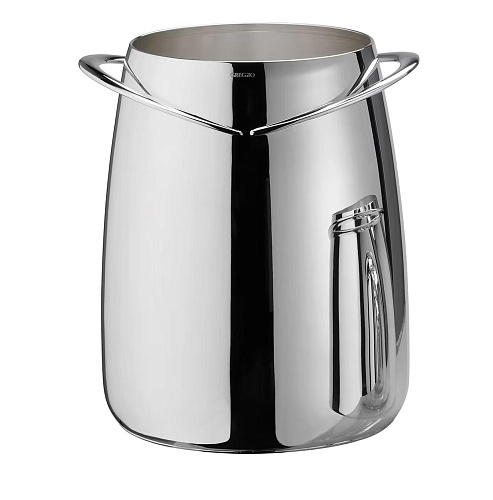
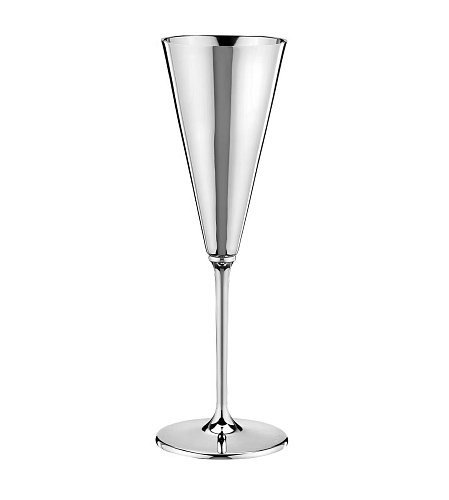
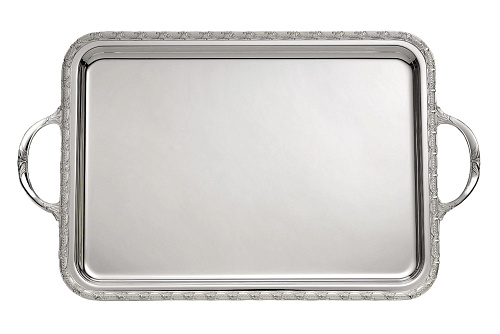
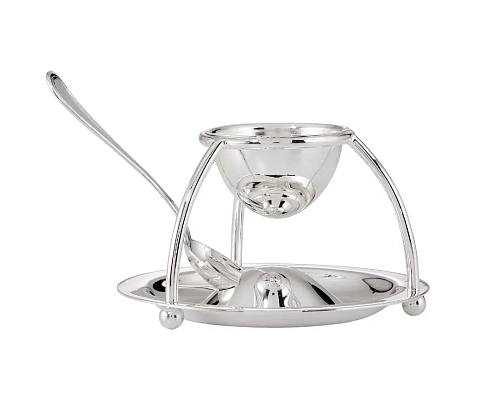
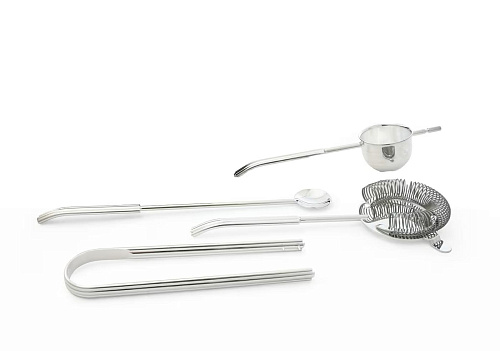
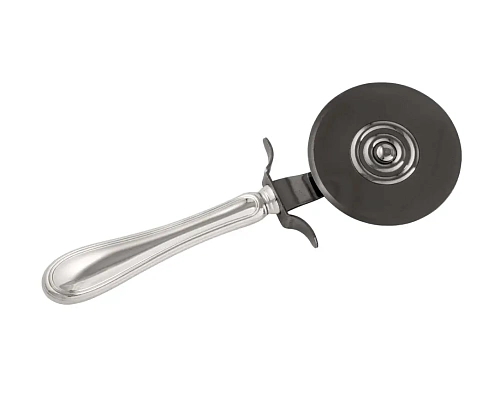
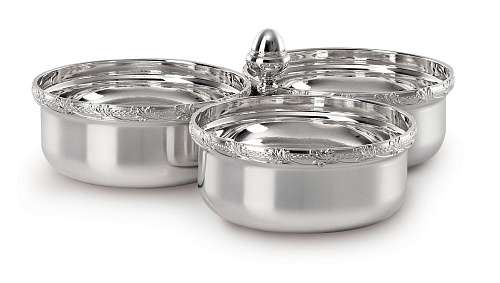
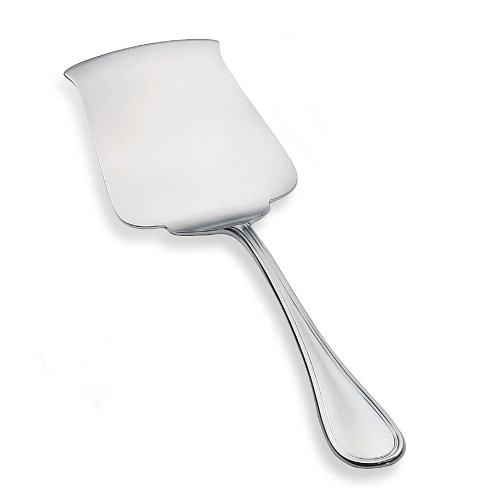
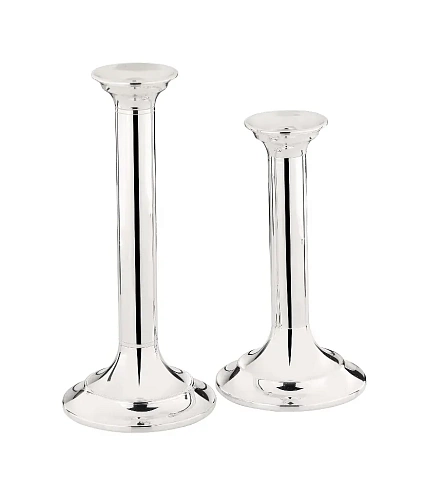
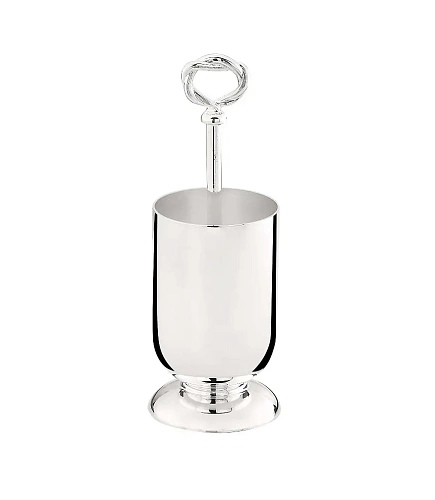
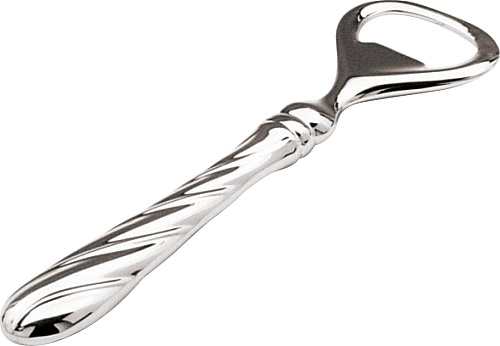
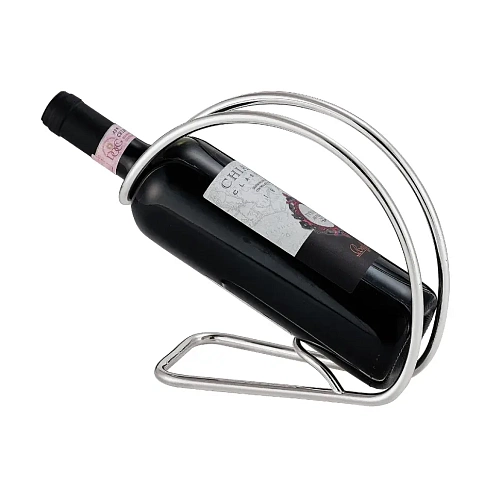
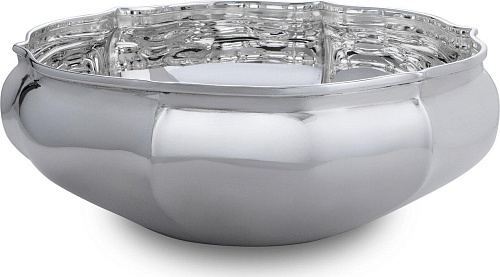
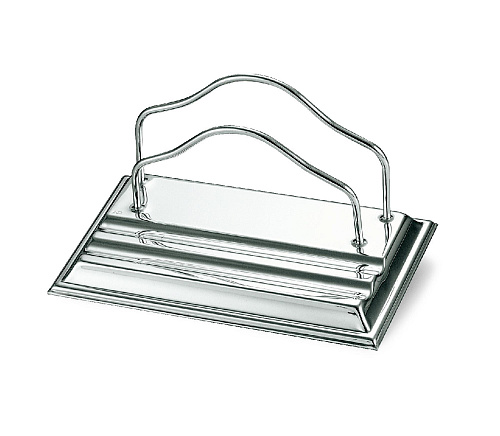
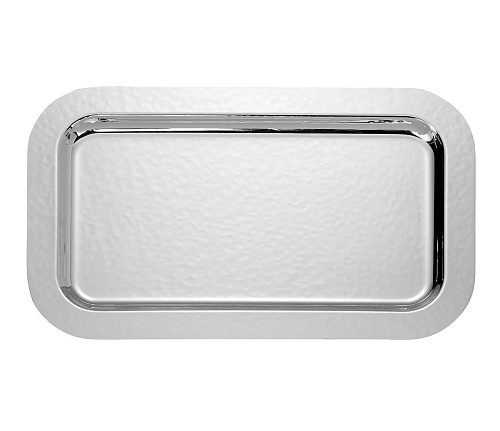
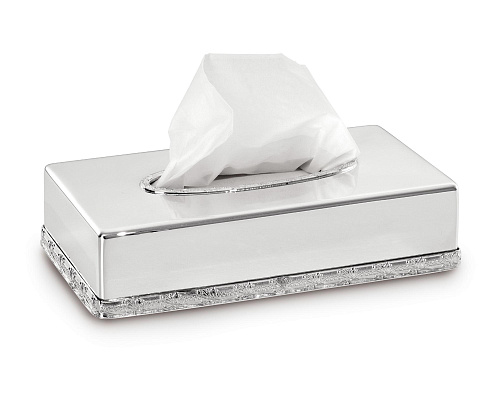
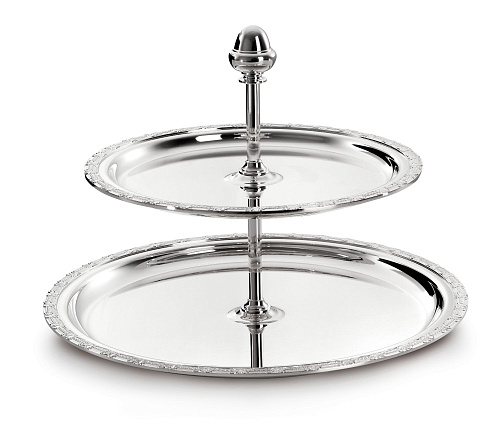
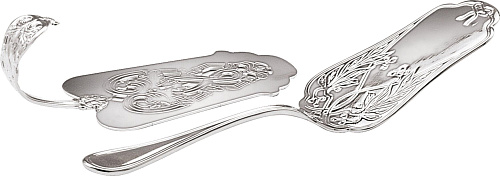
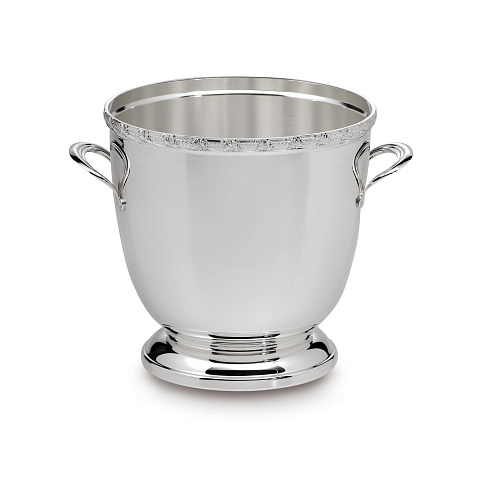
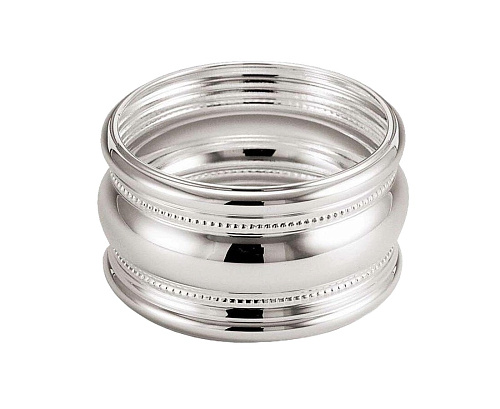
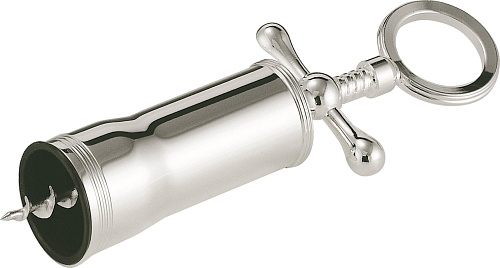
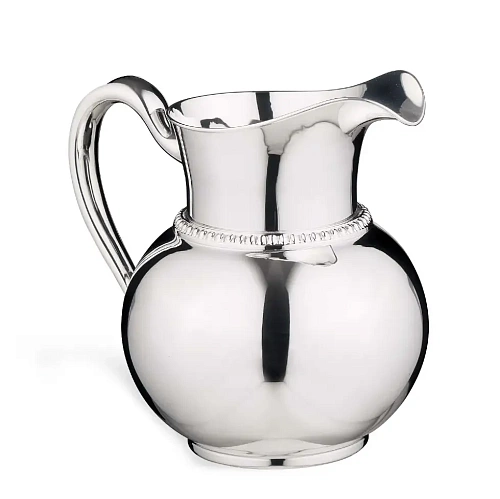
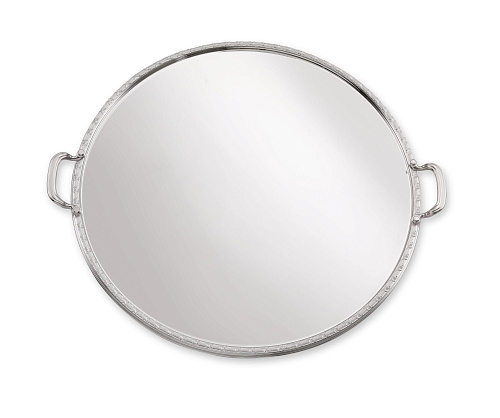
The core offering covers cutlery, trays, serving pieces, candleholders, vases, frames, and a range of decorative home accessories — all produced in silver-plated alloy using a galvanic silver plating process over a brass or nickel-silver base. Pieces can also be rhodium-plated, which provides additional oxidation resistance. The bespoke service — operating under the Tailormade division — handles custom projects for hospitality clients, corporate gifting, interior designers, and private commissions. Given the Group's complete in-house manufacturing capability, the scope for customisation is extensive: form, finish, engraving, scale.
Since March 2024, Greggio Group International has held Responsible Jewellery Council (RJC) certification across all three companies in the Group — a third-party audit covering ethical, social, and environmental practices from raw material sourcing through to sale. For a brand operating at the luxury end of the market, it is a meaningful commitment to account for the full chain rather than just the finished object.