Shopping Basket
You have no items in your shopping basket.


Wishlist
Your wishlist is currently empty
Florence Broadhurst was born in 1899 in rural Queensland, Australia. She died in Sydney in 1977, murdered at 78 in circumstances that were never fully resolved. Between those two dates, she lived what amounted to several distinct lives — cabaret singer touring Southeast Asia in the 1920s, founder of a music school in Shanghai, London couturière trading under the French name Madame Pellier, landscape painter, entrepreneur. By the time she launched her luxury hand-printed wallpaper studio in Sydney at the age of 60, she had accumulated enough visual experience — the architecture of Shanghai, Japanese textile traditions, Chinoiserie motifs, mid-century Western geometry — to fill an archive that now exceeds 500 designs. That archive is the foundation of the rug collection bearing her name.
The rugs are produced in collaboration with Brink & Campman, the Dutch manufacturer from Lichtenvoorde whose technical competence in translating complex print designs into textile form has made them the production partner of choice for several of the most design-forward rug brands on the market. The construction is hand-tufted, the pile material is New Zealand wool blended with viscose — a combination that gives the surface both durability and a low sheen that shifts with the angle of the light. The pile weight and density are consistent with a rug designed for long-term use rather than photographic impact.
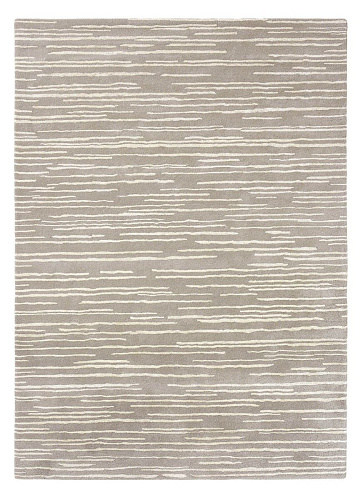
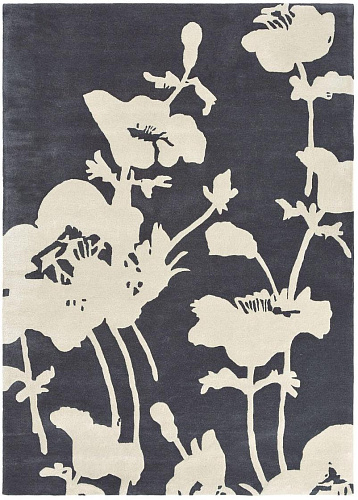
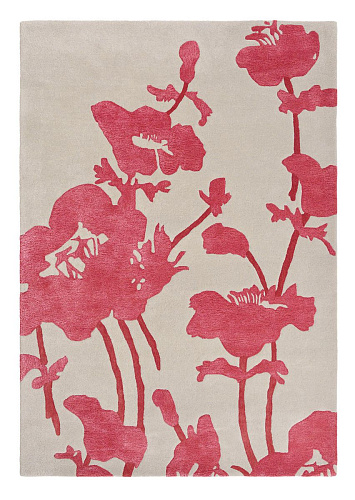
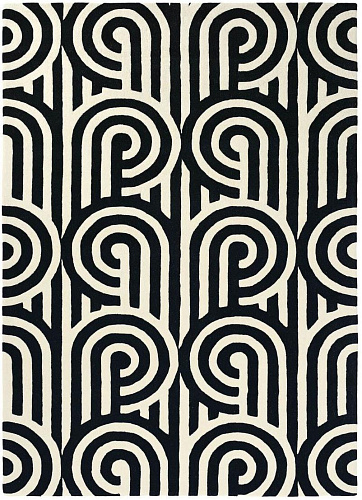
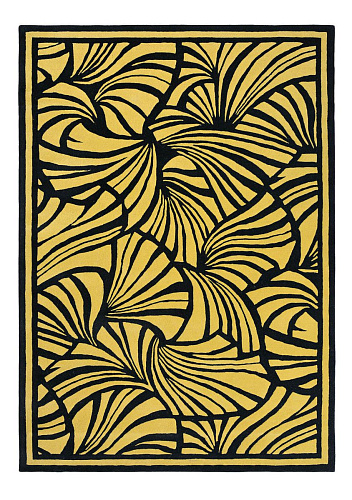
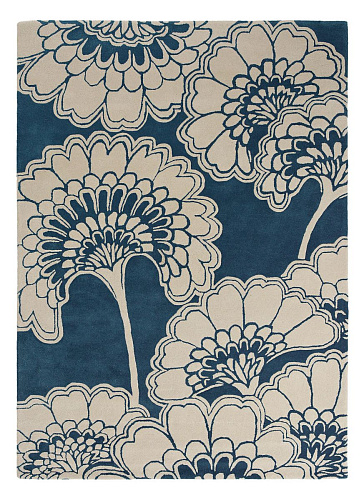
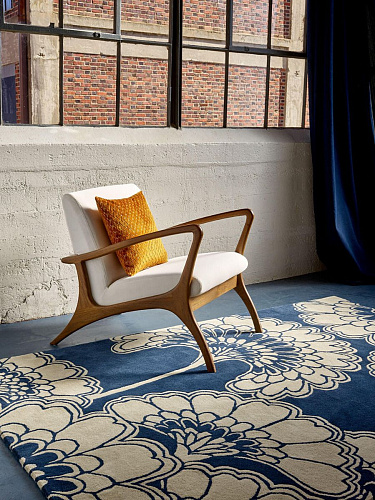
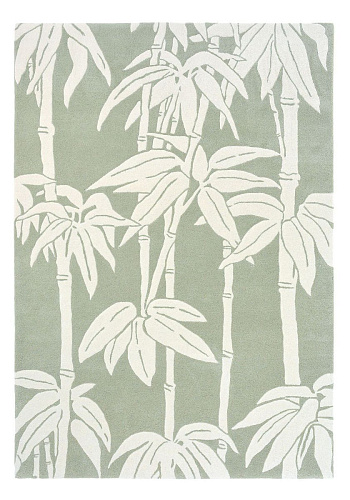
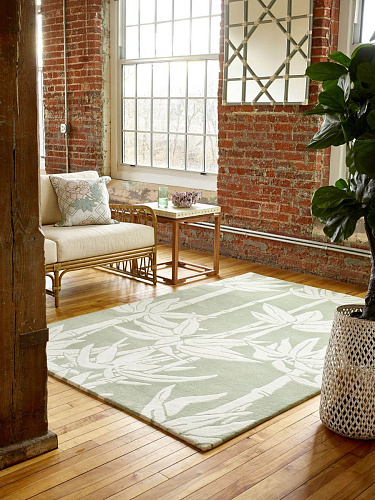
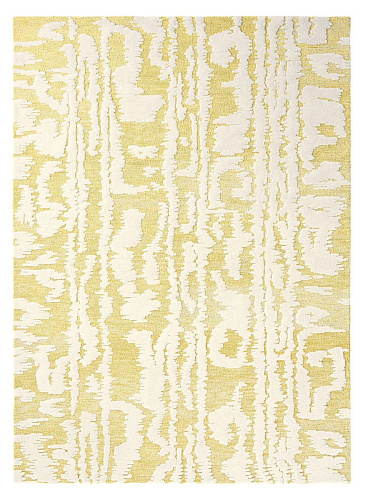
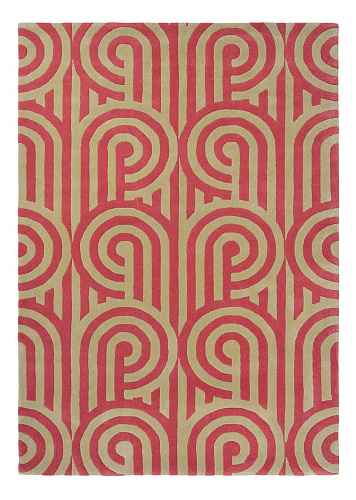
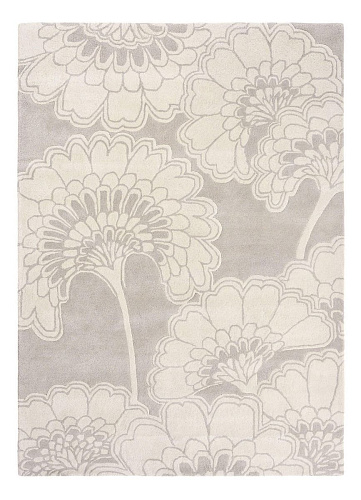
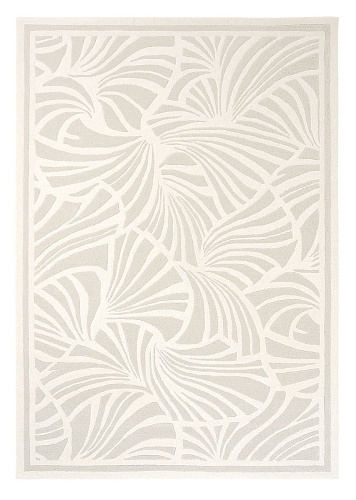
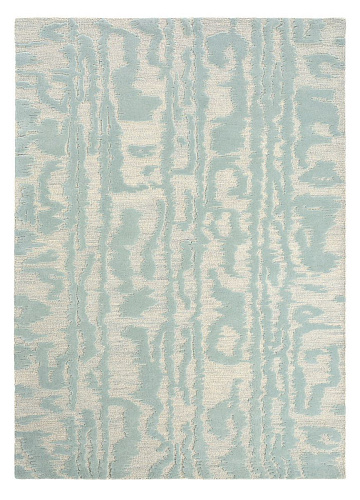
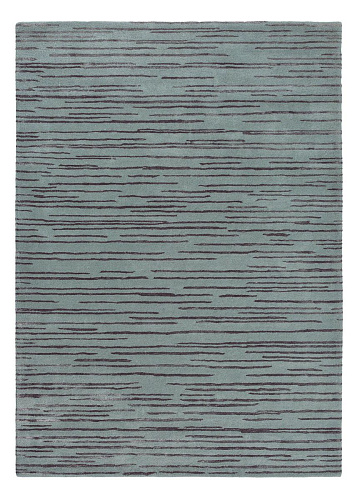
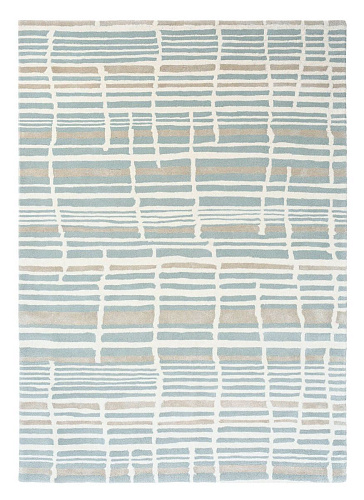
The range spans more aesthetic ground than most rug collections manage. On one end: bold, large-scale geometric patterns — angular and graphic, with the kind of confident colour contrast that reads clearly across a room. On the other: delicate floral and Chinoiserie compositions, more intricate in their detailing and softer in their palette. In between sit the psychedelic and tapestry-influenced pieces — pattern-heavy and deeply coloured, the ones that most directly reflect the accumulated visual restlessness of Broadhurst's biography.
What connects them is a consistent quality of line. These are designs that originated on paper, drawn by hand, and that quality survives the translation into pile. They do not look like digital constructions. The imprecision is deliberate and part of their character — each piece has a warmth to it that more mechanically precise design processes tend to eliminate.
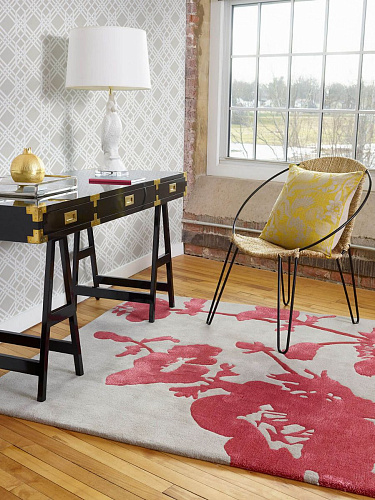
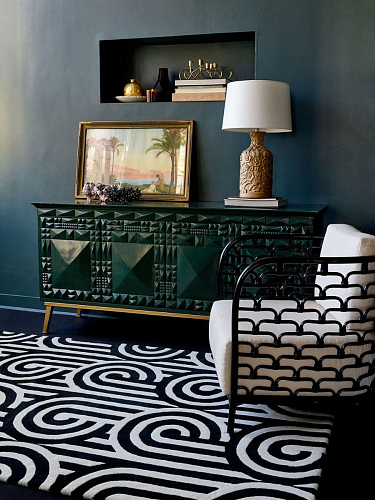
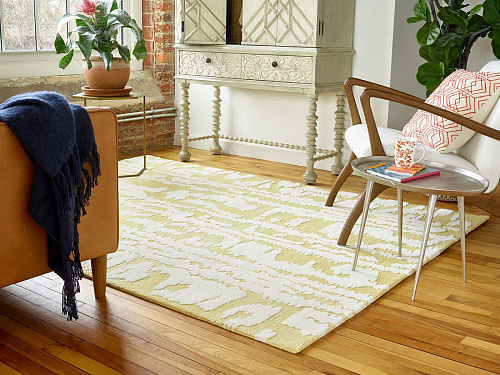
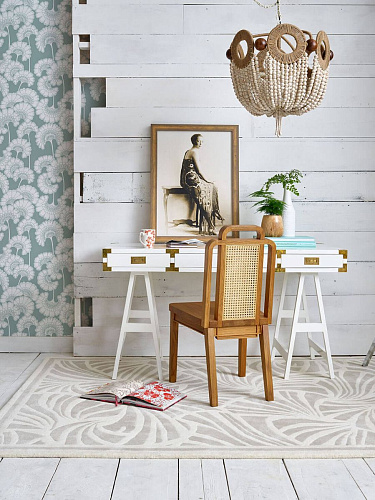
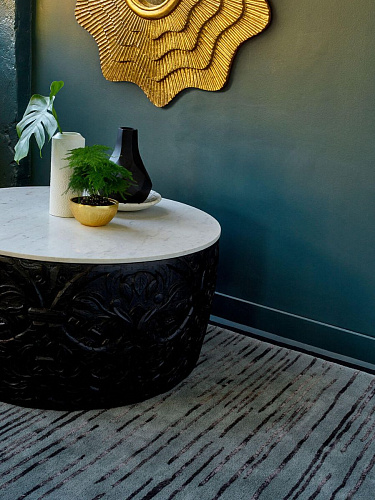
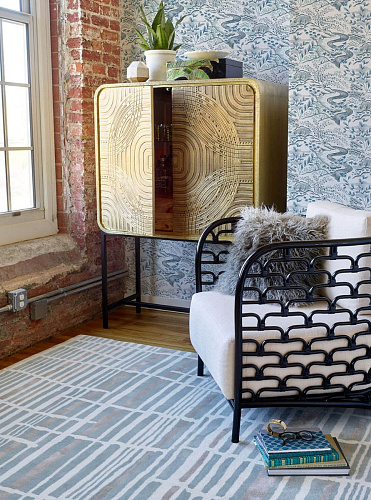
Florence Broadhurst rugs work best when given space to be the primary visual object in a room. The denser and more colourful pieces — the geometric and tapestry-influenced ranges in particular — tend to anchor a space most effectively against restrained backgrounds: plain walls, natural materials, furniture that does not compete for attention. The softer floral and Chinoiserie designs are more flexible and absorb surrounding pattern with less friction.
For anyone drawn to interiors with a specific point of view rather than a generically composed aesthetic, this is a collection worth spending time with. The archive behind it is genuinely deep, and no two pieces in it tell quite the same story.