Shopping Basket
You have no items in your shopping basket.


Wishlist
Your wishlist is currently empty
There is a version of this story where Brink & Campman is simply a heritage manufacturer — founded in 1897 in Lichtenvoorde, a small town in the Achterhoek region of the Netherlands, quietly producing quality rugs for over a century. That version is accurate but incomplete. What makes the brand worth understanding is not just its age, but what it has done with that accumulated technical knowledge: built an in-house design studio that produces both its own collections and those of some of the most commercially successful rug brands on the market today.
Ted Baker, Wedgwood, Scion, Morris & Co, Harlequin — all of these have their rugs designed and produced by Brink & Campman. The brand is simultaneously a manufacturer and a design house, which is an unusual position to hold in the industry and one that requires a particular kind of competence: the ability to translate another brand's visual language faithfully into textile form, while maintaining a distinctive identity of its own.
The Lichtenvoorde factory runs Axminster looms — one of the most technically demanding weaving methods in carpet production, capable of placing individual tufts of yarn in precise positions across the weave. This allows for complex, multi-colour patterns with a level of detail and colour accuracy that simpler production methods cannot achieve. Alongside the Dutch factory, Brink & Campman works with hand-knotting and hand-tufting workshops in Nepal and India, used for collections where the construction method itself is part of the design intention.
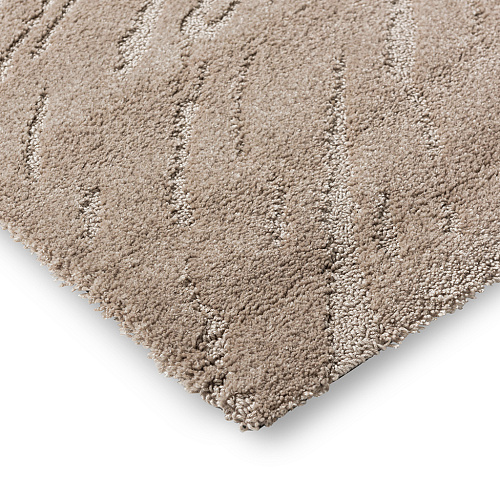
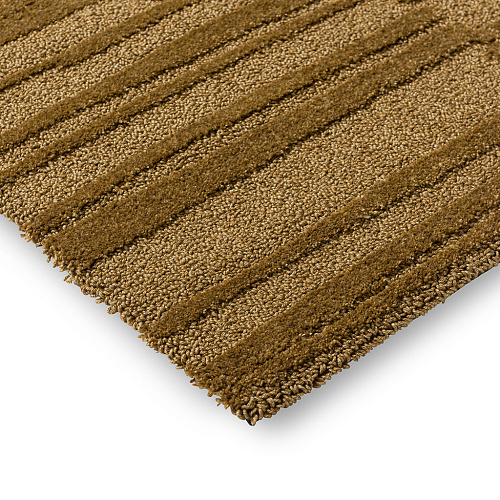
Materials span wool, wool-viscose blends, cotton, and synthetic fibres depending on the collection. The in-house design team works with yarn selection as a design variable rather than a production afterthought — the choice between a matte wool and a viscose blend, for instance, affects how a pattern reads under different lighting conditions, and that consideration is built into the design process from the start.
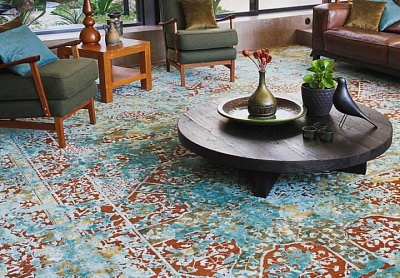
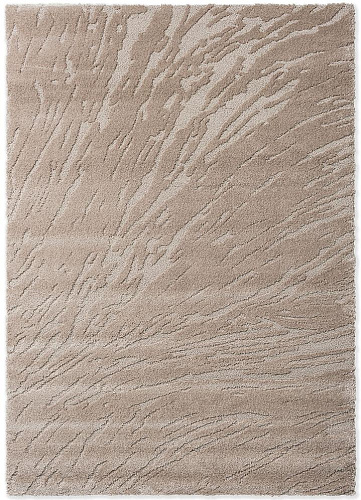
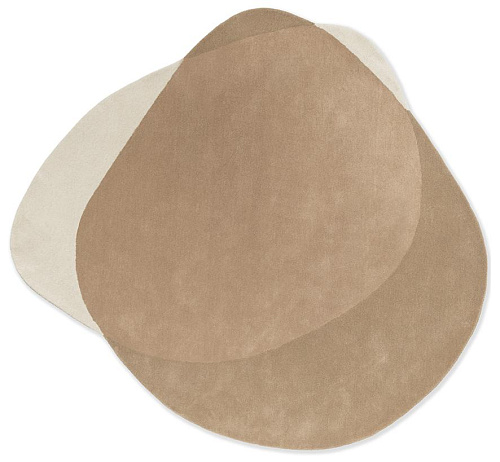
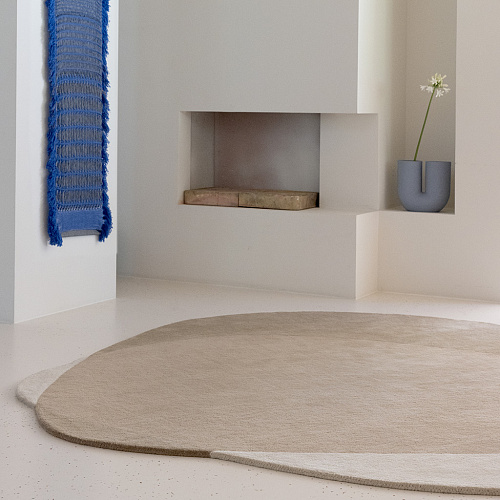
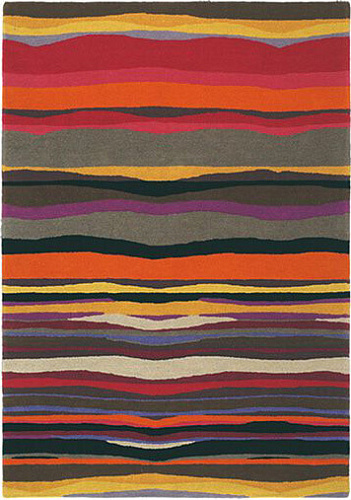
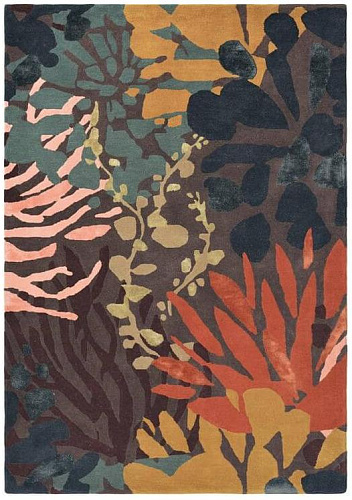
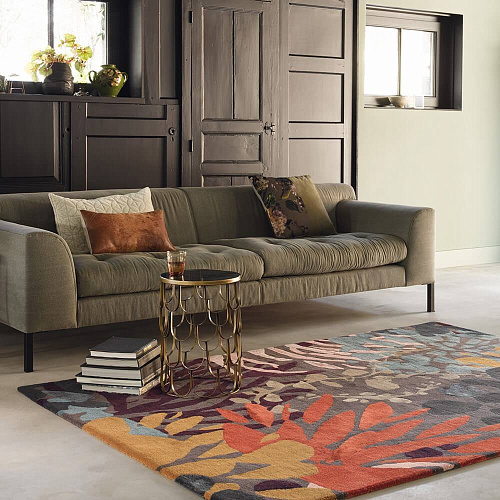
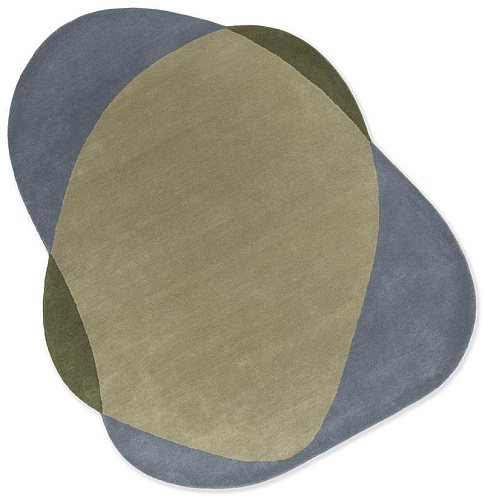
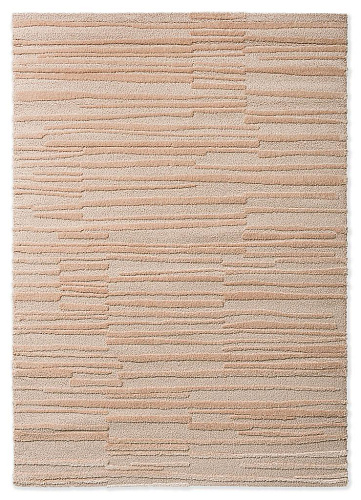
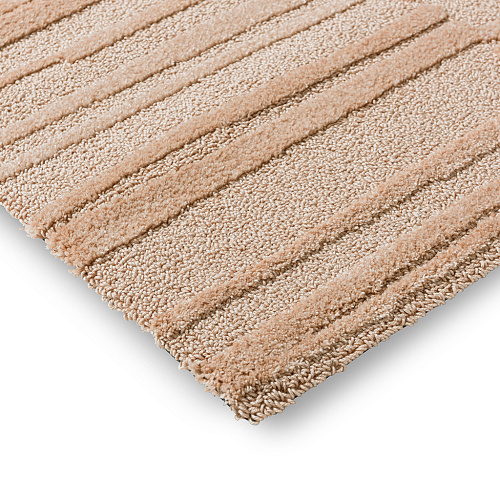
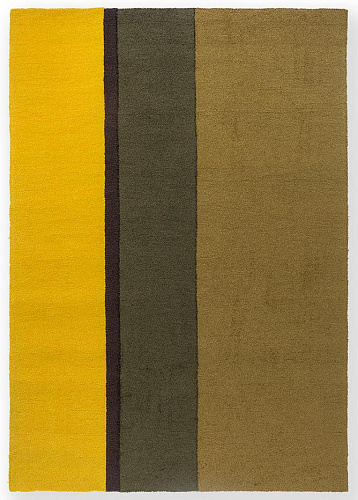
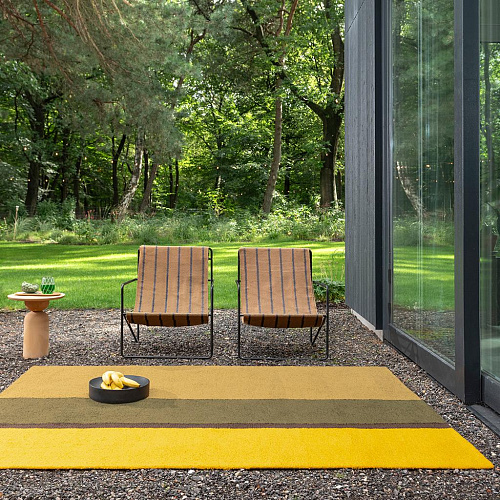
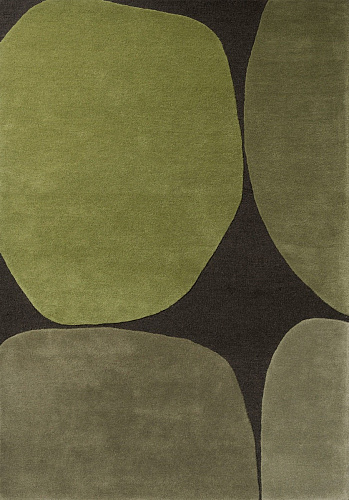
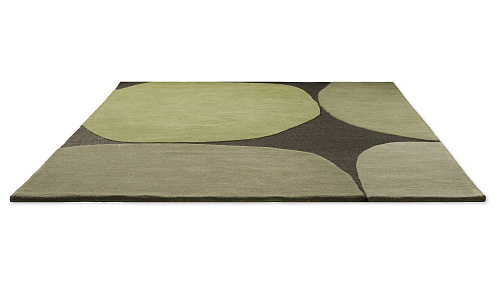
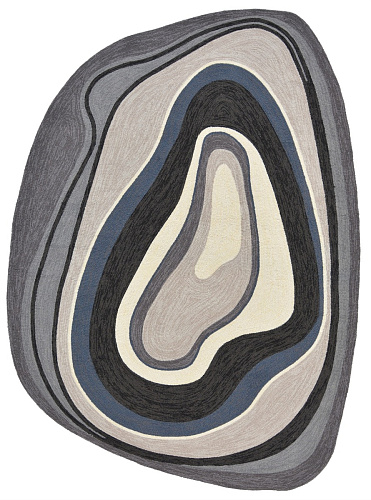
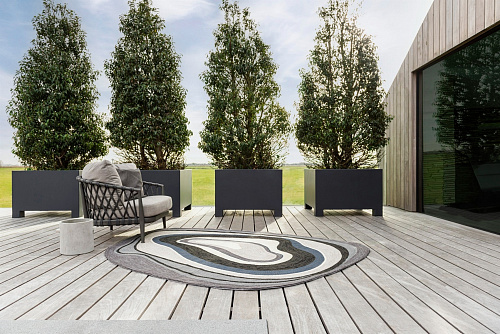
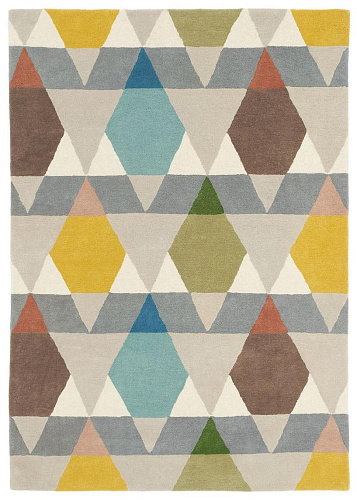
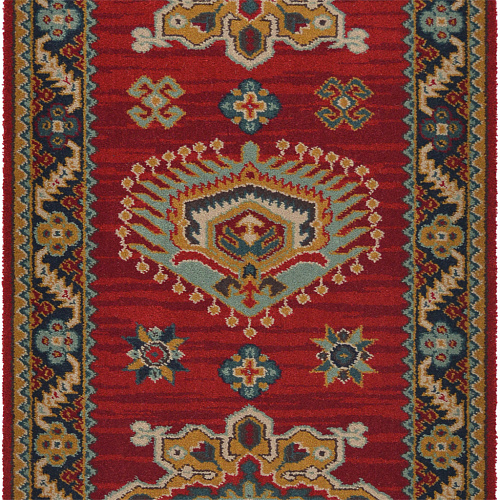
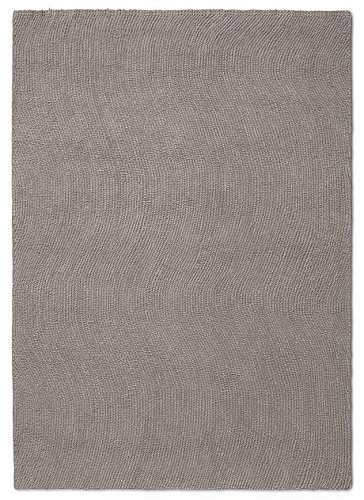
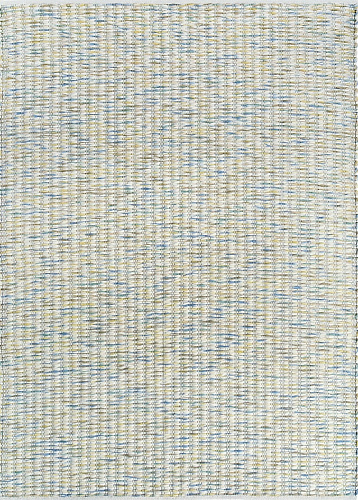
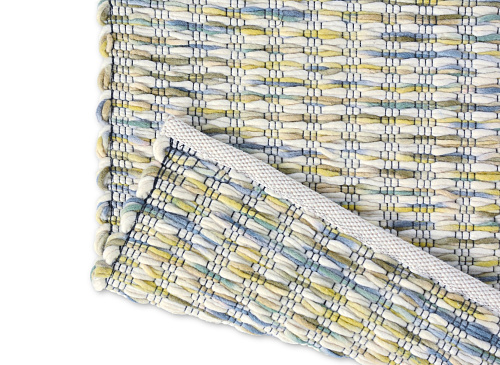
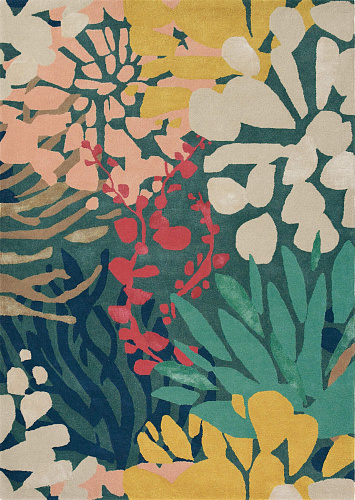
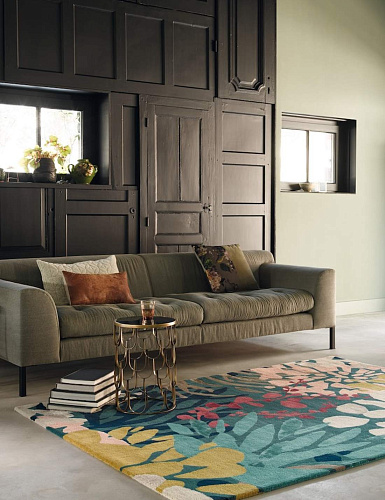
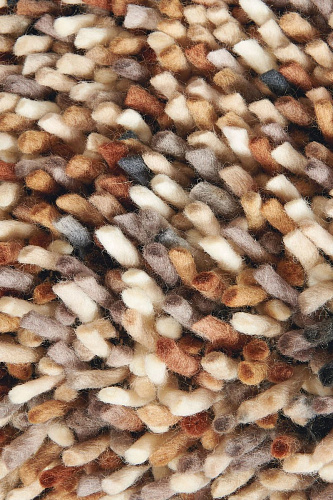
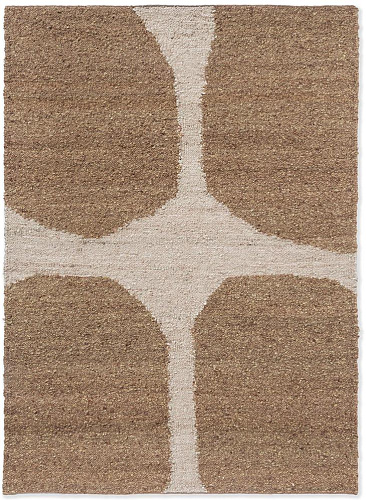
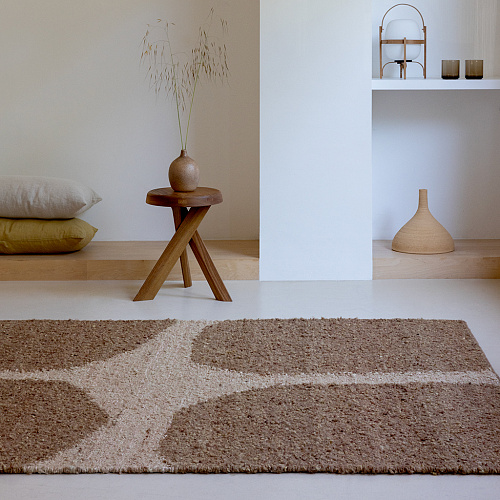
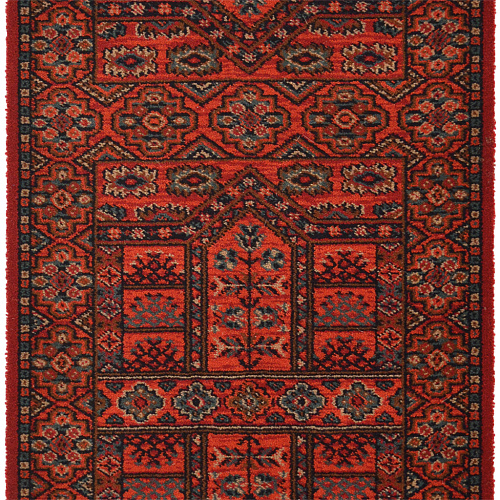
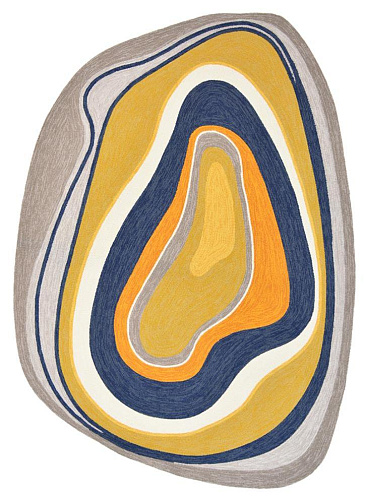
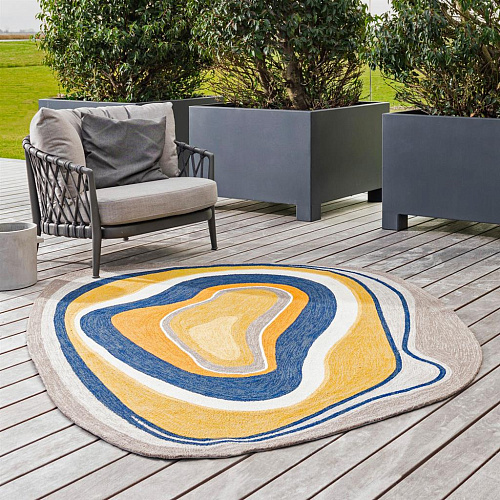
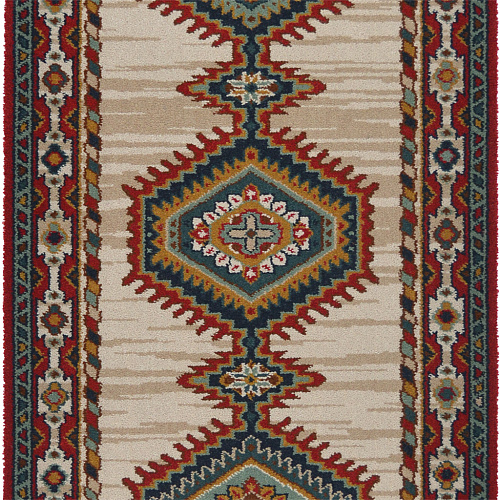
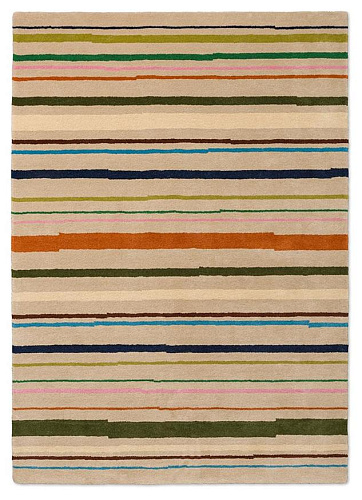
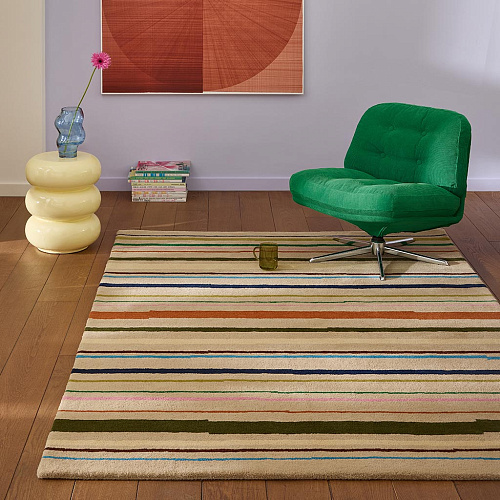
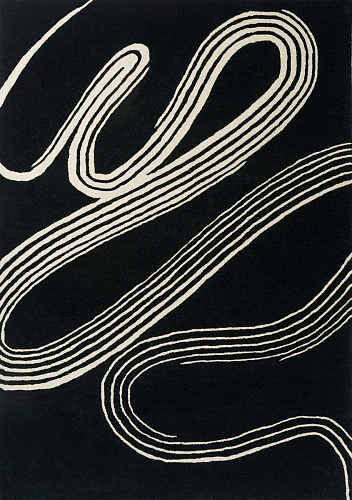
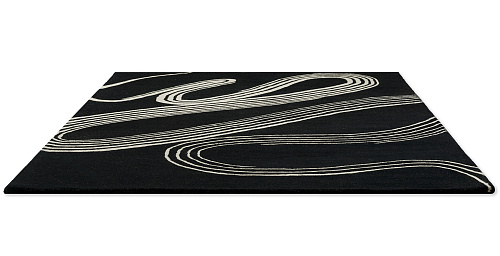
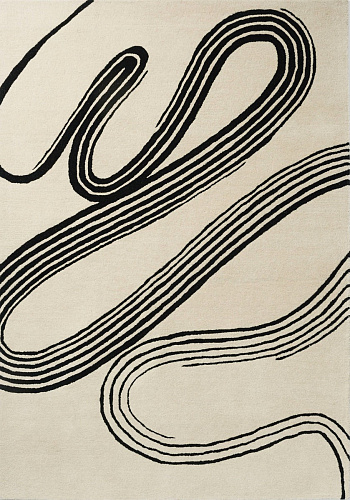
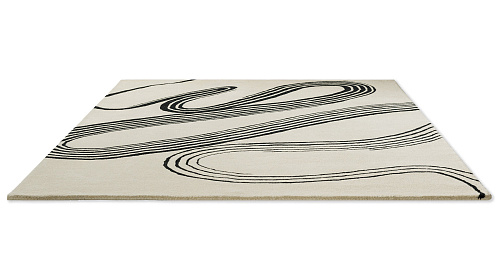
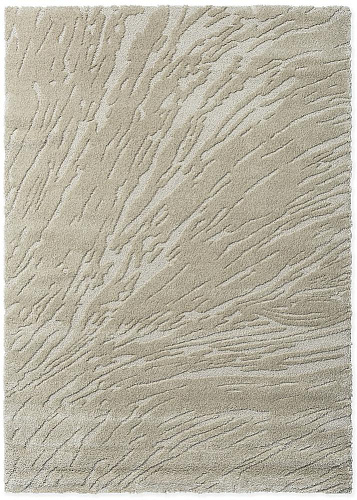
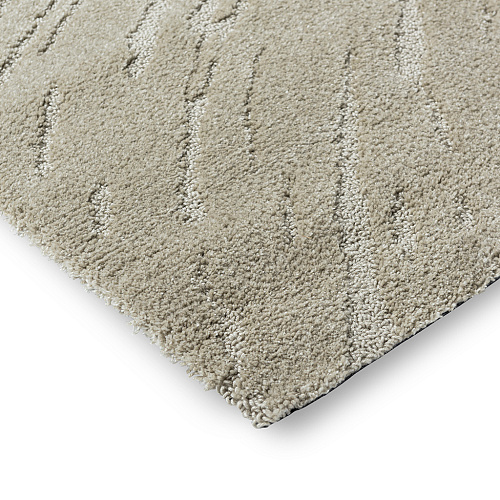
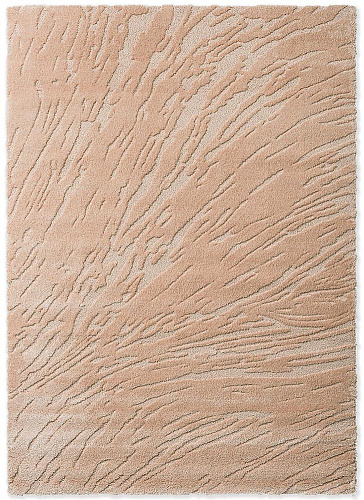
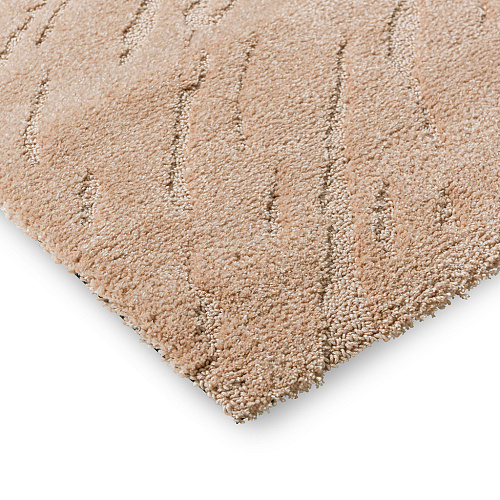
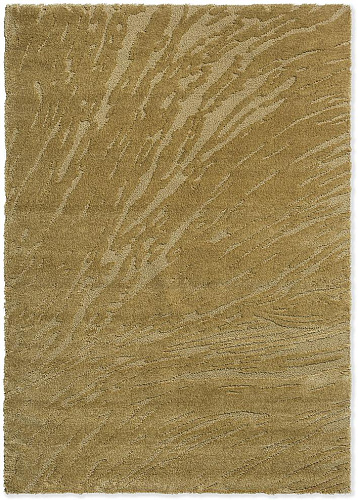
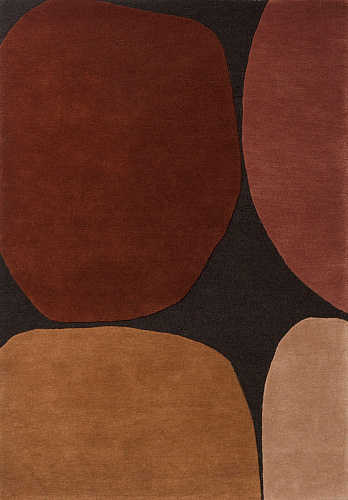
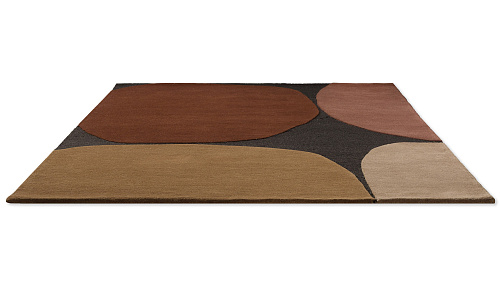
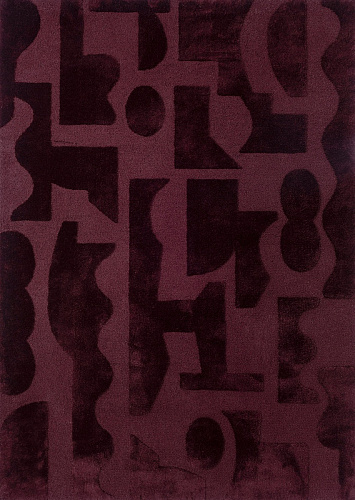
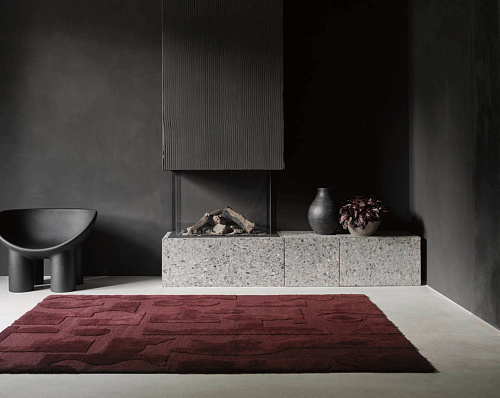
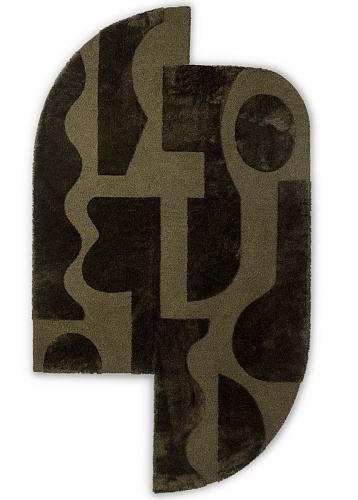
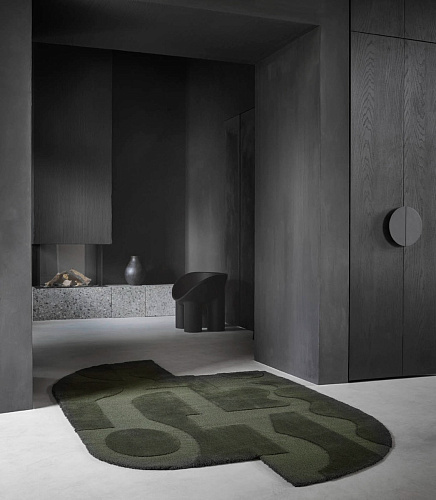
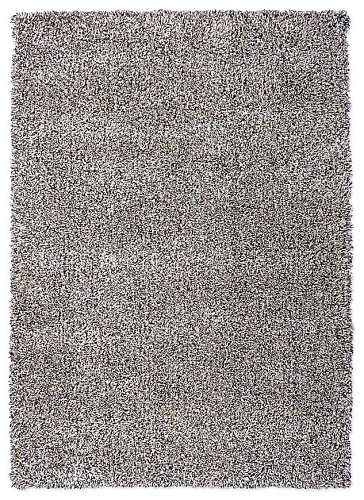
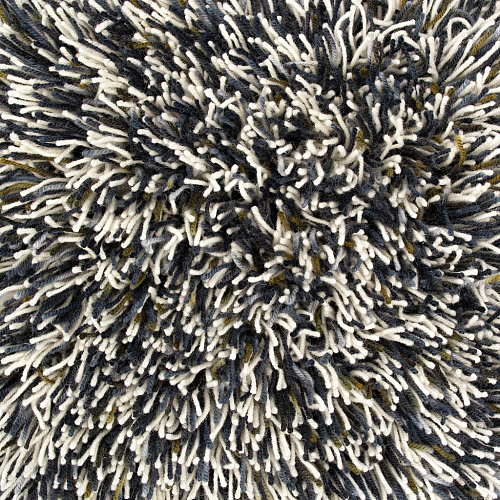
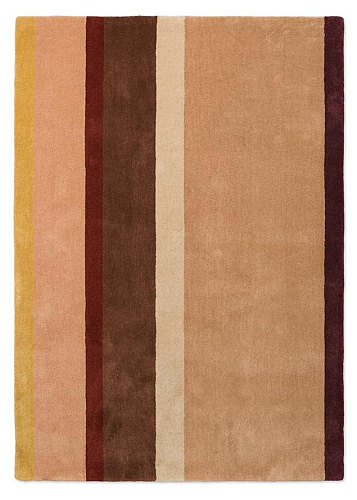
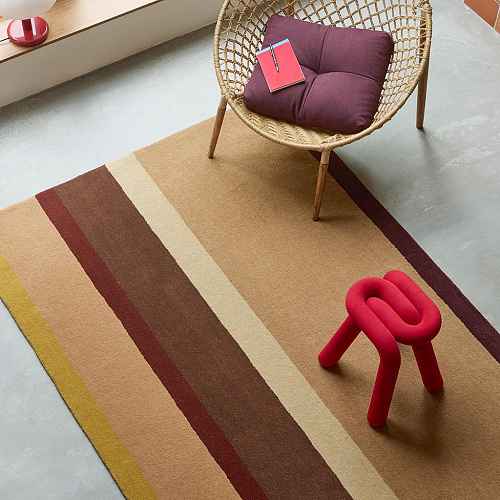
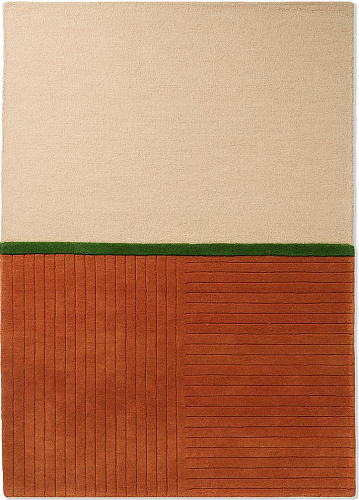
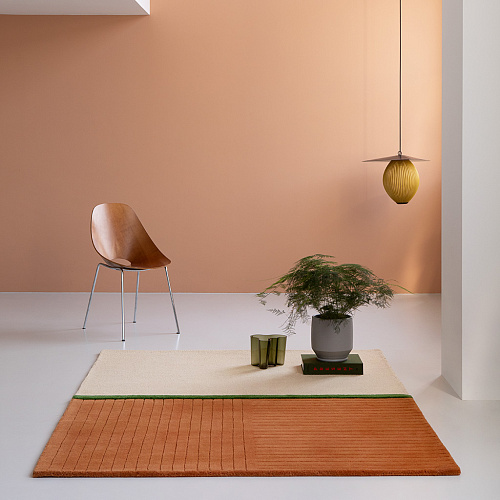
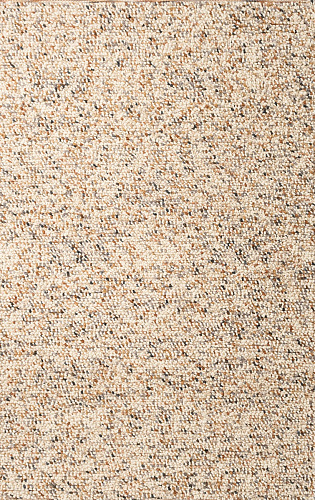
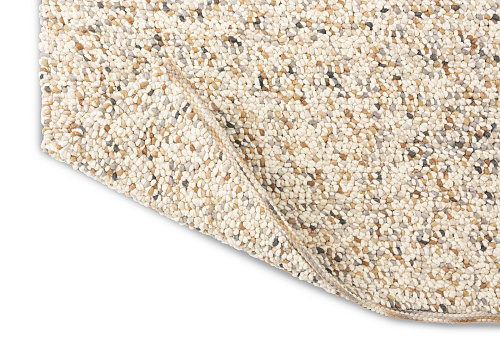
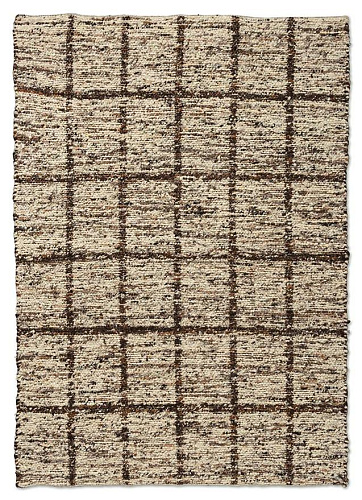
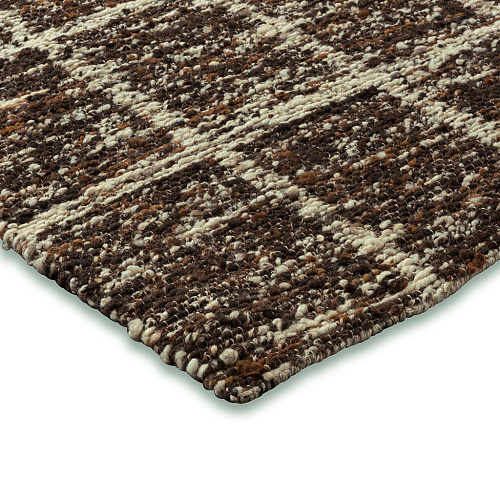
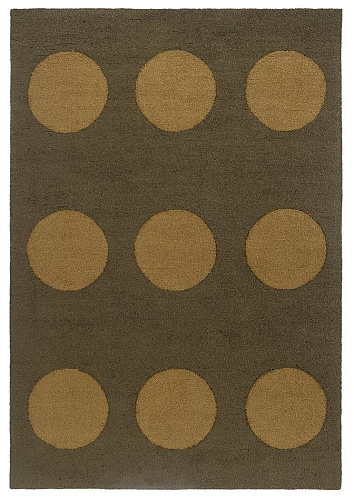
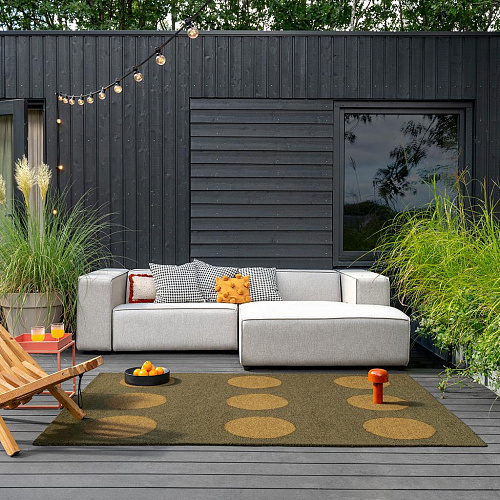
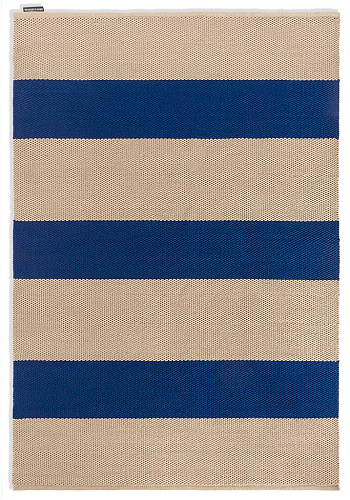
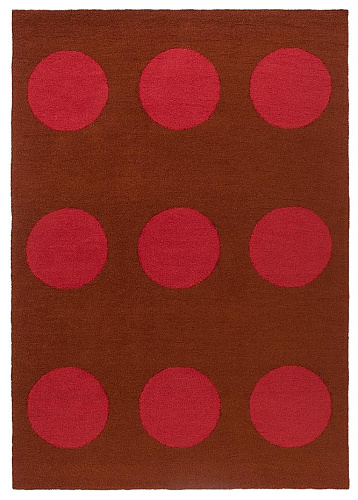
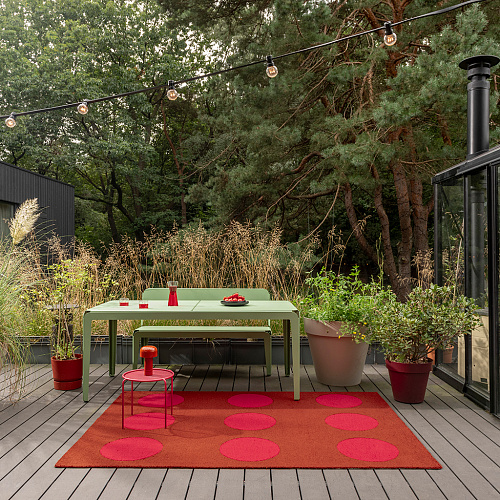
Brink & Campman's own range covers a broad aesthetic span. Decor features abstract hand-tufted designs with soft graphic shapes and considered colour transitions — works well in modern interiors that want pattern without visual noise. Pop Art takes the opposite approach: expressive, colour-forward abstraction with curves and bold contrast. Marble translates the organic patterning of stone surfaces into a soft, luxurious pile texture. Rocks is 100% wool with an organic, mineral texture and a naturally deep surface. Kashba draws on North African textile traditions — rougher, more tactile, with a handmade quality that reads clearly in the finished piece. Dots is the most playful offering in the range: woven, flat, and pattern-forward.
Across all of these, the design sensibility is Dutch in a particular way — direct, uncluttered, colour-aware without being restrained. There is a confidence to how the collections are put together that reflects a studio with real technical control over the output. When you know exactly what the machinery can do and exactly how a yarn will behave, you design differently.
Most manufacturers are invisible. Brink & Campman is not — partly because of its own collections, and partly because the brands it produces for have become well-known enough that the manufacturer's name travels with them. In practice this means the brand's quality standard is tested twice: once in its own right, and once every time a Ted Baker or Wedgwood rug lands in a customer's home and performs as expected. That dual accountability is a useful indicator of where the brand actually sits in the market.