
Selecting the Ideal Coffee Table: Size, Shape, and Function
The coffee table is often the centerpiece of a living space, bridging style and functionality while defining the room’s rhythm. Far more than a surface for books or beverages, it is a statement of taste, a canvas for décor, and a practical element that anchors seating arrangements. Choosing the perfect coffee table requires careful consideration of size, shape, and function, ensuring it complements both the architectural proportions of the room and the lifestyle of those who inhabit it. A thoughtful selection elevates the overall aesthetic, whether in a modern minimalist space or a richly layered interior with luxurious textures.
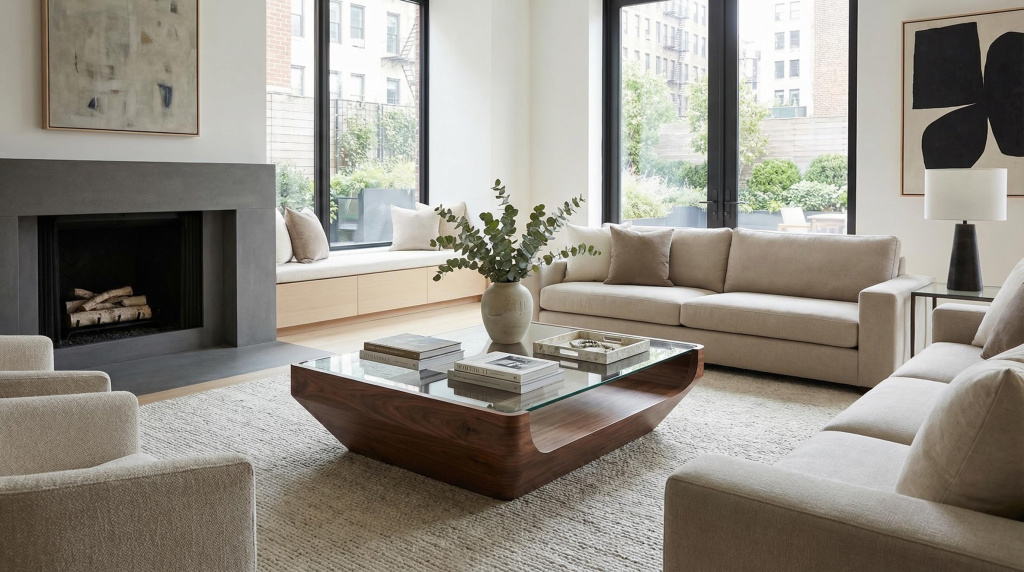
When selecting a coffee table, **size** is paramount. The table must relate proportionally to the seating around it, neither overwhelming the room nor appearing diminutive. A common guideline is that the table should occupy roughly two-thirds the length of the sofa and sit at a height that aligns with the seat cushions, typically 16–18 inches for standard sofas. This ensures comfort and accessibility while maintaining visual harmony. Consider the room’s overall scale as well: in a spacious living area, larger tables with generous surfaces can accommodate books, trays, and décor, whereas a compact table is ideal for cozier spaces, allowing circulation without obstruction. For inspiration, explore our curated collection of coffee tables to see how different sizes interact with diverse seating arrangements.
Choosing the Right Shape
The shape of the coffee table influences both functionality and spatial flow. Rectangular tables are classic and versatile, fitting naturally in front of a long sofa and offering ample surface area. Square tables create symmetry, particularly in paired seating arrangements or modular sofas, while round tables soften the geometry of a room and facilitate easier movement around tight corners. Oval tables blend the linear presence of rectangular designs with the approachable curves of circular forms, balancing elegance and practicality. Selecting a shape that complements the room’s architectural lines and circulation paths ensures the table enhances rather than hinders movement and interaction.
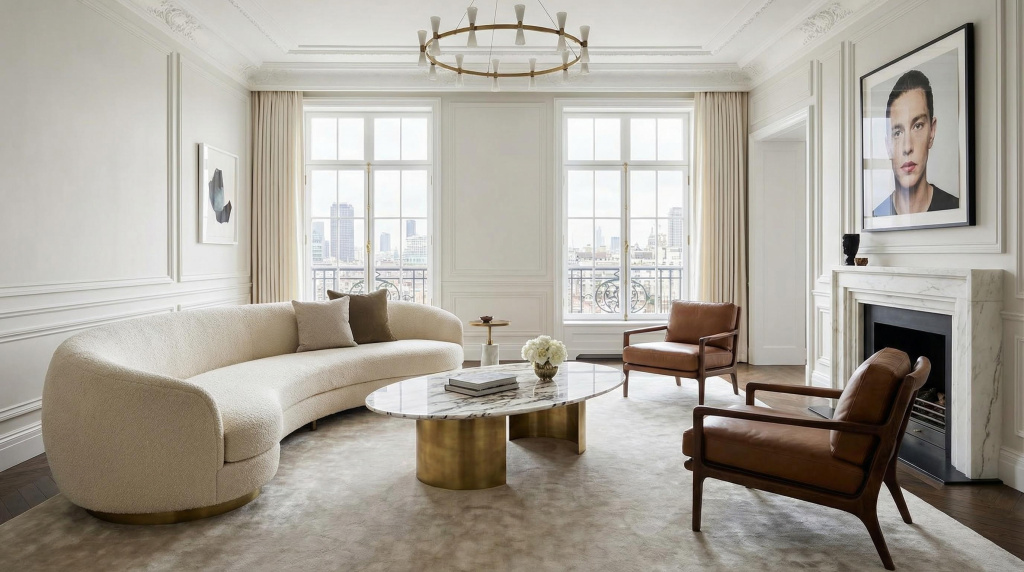
Functionality is equally crucial. Coffee tables are no longer purely decorative; they often integrate storage, display, and multi-purpose surfaces. Many contemporary designs feature drawers or concealed compartments, ideal for stashing magazines, remotes, or coasters while keeping the top surface pristine. Nesting tables provide flexibility, allowing multiple surfaces to be deployed as needed and easily stowed when space is limited. Adjustable-height tables offer versatility for dining or work-from-home situations, marrying style with adaptive functionality. For bespoke pieces that combine form and function seamlessly, our designer coffee tables collection showcases innovative options for every lifestyle.
Material Considerations and Durability
The materials of a coffee table define its tactile and visual presence while determining its longevity. Marble and stone exude sophistication but require careful placement to prevent scratches or staining. Glass offers transparency and lightness, ideal for smaller rooms, yet demands consistent cleaning. Wood, whether solid or veneered, brings warmth and texture, with finishes ranging from rustic to polished lacquer, complementing various interior styles. Metal frames add structural strength and an industrial-chic aesthetic, while upholstered or lacquered surfaces create softer, reflective accents. Selecting materials that align with daily use, climate, and décor ensures your coffee table remains both functional and visually compelling over time.
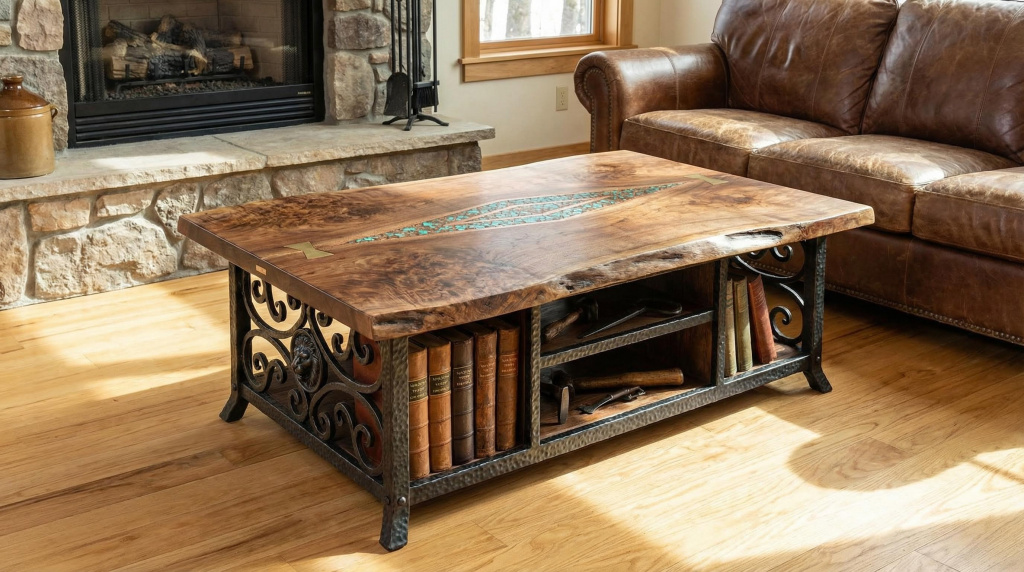
Beyond material, consider the **lifestyle of the household**. Families with young children may favor rounded edges, durable finishes, and easy-to-clean surfaces, whereas formal living spaces may accommodate more delicate or statement-making designs. A coffee table should respond to the way a space is inhabited—whether for entertaining guests, hosting afternoon tea, or displaying curated accessories. Integrating the table with other furniture elements, including area rugs and sofas, ensures cohesion. For instance, pairing a coffee table with a textured rug creates layers of comfort and luxury, framing the centerpiece of the room elegantly.
Balancing Aesthetics and Practicality
Ultimately, selecting a coffee table is about harmonizing aesthetics with practicality. Proportions, shapes, and finishes must align with the room’s character while accommodating functional needs. Statement tables with sculptural bases or unique materials can act as conversation starters, but they should not compromise the table’s usability. Consideration of visual balance, circulation, and complementary accessories ensures the table enhances rather than dominates the space. Attention to detail, from the height of the surface to the texture of the finish, allows the coffee table to serve as both a utility and a luxurious accent, epitomizing thoughtful design in everyday life.
By carefully evaluating size, shape, materials, and function, you create a living space that is both practical and aesthetically refined. A well-chosen coffee table harmonizes with surrounding furnishings, accommodates lifestyle needs, and stands as a statement of enduring style. Whether selecting from minimalist forms, luxurious designer pieces, or multifunctional designs, the right table reflects sophistication and thoughtful planning, ensuring it remains a focal point in your home for years to come.