
How to Wash a Large Rug at Home Without Damaging It
Large rugs anchor a room, define circulation, and quietly absorb the wear of daily life. Dust, foot traffic, food crumbs, and airborne pollutants settle deep into the fibers long before visible stains appear. Washing a large rug at home can feel intimidating because of its size, weight, and material sensitivity, yet it is often possible with the right preparation. The key is understanding what your rug can tolerate and choosing methods that clean thoroughly without stressing the fibers. Done correctly, home washing can extend the life of a rug while keeping your interior fresh and healthy.
Unlike small accent rugs, large-format floor coverings demand a more thoughtful approach. A rushed wash or the wrong detergent can lead to fading, fiber distortion, or mildew trapped deep in the pile. This is especially true for densely woven or oversized pieces often found in living rooms and majlis-style spaces. Whether you are caring for statement large rugs or expansive floor coverings designed to span open interiors, washing at home requires planning more than force. The process is less about aggressive scrubbing and more about controlled, even cleaning from start to finish.
Assess the Rug Before Any Water Touches It
Before washing, identify the rug’s material, backing, and construction, as these factors determine what is safe. Wool, cotton, jute, synthetic blends, and silk all respond differently to water and agitation. Check the underside for labels or stitching clues that suggest whether the rug is handwoven or machine-made. Handwoven rugs typically need gentler handling, while many modern synthetics tolerate careful home washing. Skipping this assessment is one of the most common reasons rugs are accidentally damaged during cleaning.
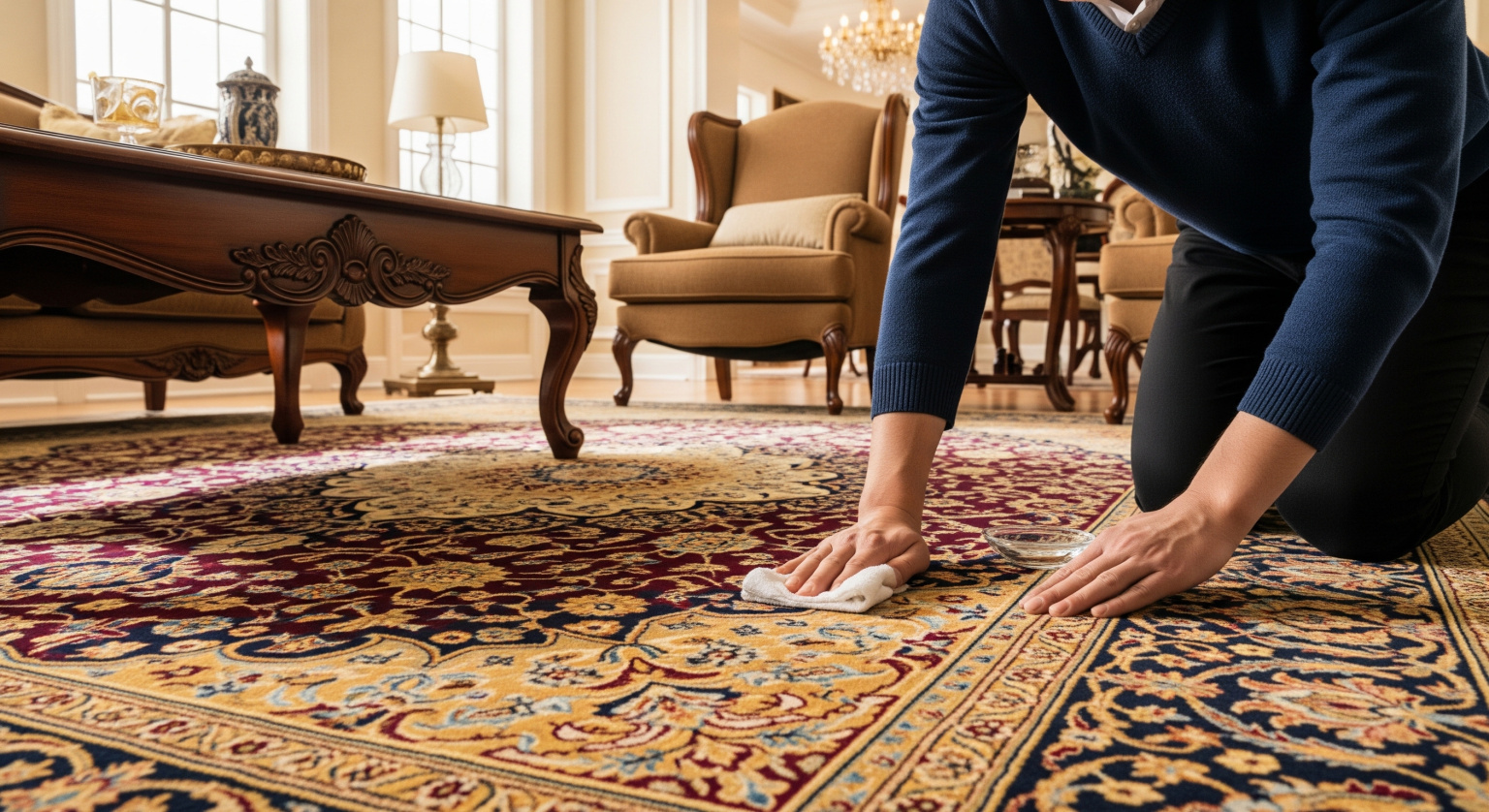
Colorfastness is another critical test that should never be skipped. Dampen a white cloth with cool water and gently press it against a hidden area of the rug. If dye transfers onto the cloth, the rug should not be washed with full saturation at home. Even if no color transfers, use cold or lukewarm water only, as heat can activate dyes unexpectedly. This small step protects your rug from irreversible color bleeding.
A Practical Home Method for Washing Large Rugs
Start by removing as much dry debris as possible, because wet dirt turns into mud inside fibers. Vacuum both sides of the rug slowly, using a suction-only setting if available. If the rug is too heavy to flip, focus on repeated passes from multiple directions. This stage alone can remove a surprising amount of grit that would otherwise grind into the fibers during washing. Proper dry cleaning beforehand reduces how aggressive the wet wash needs to be.
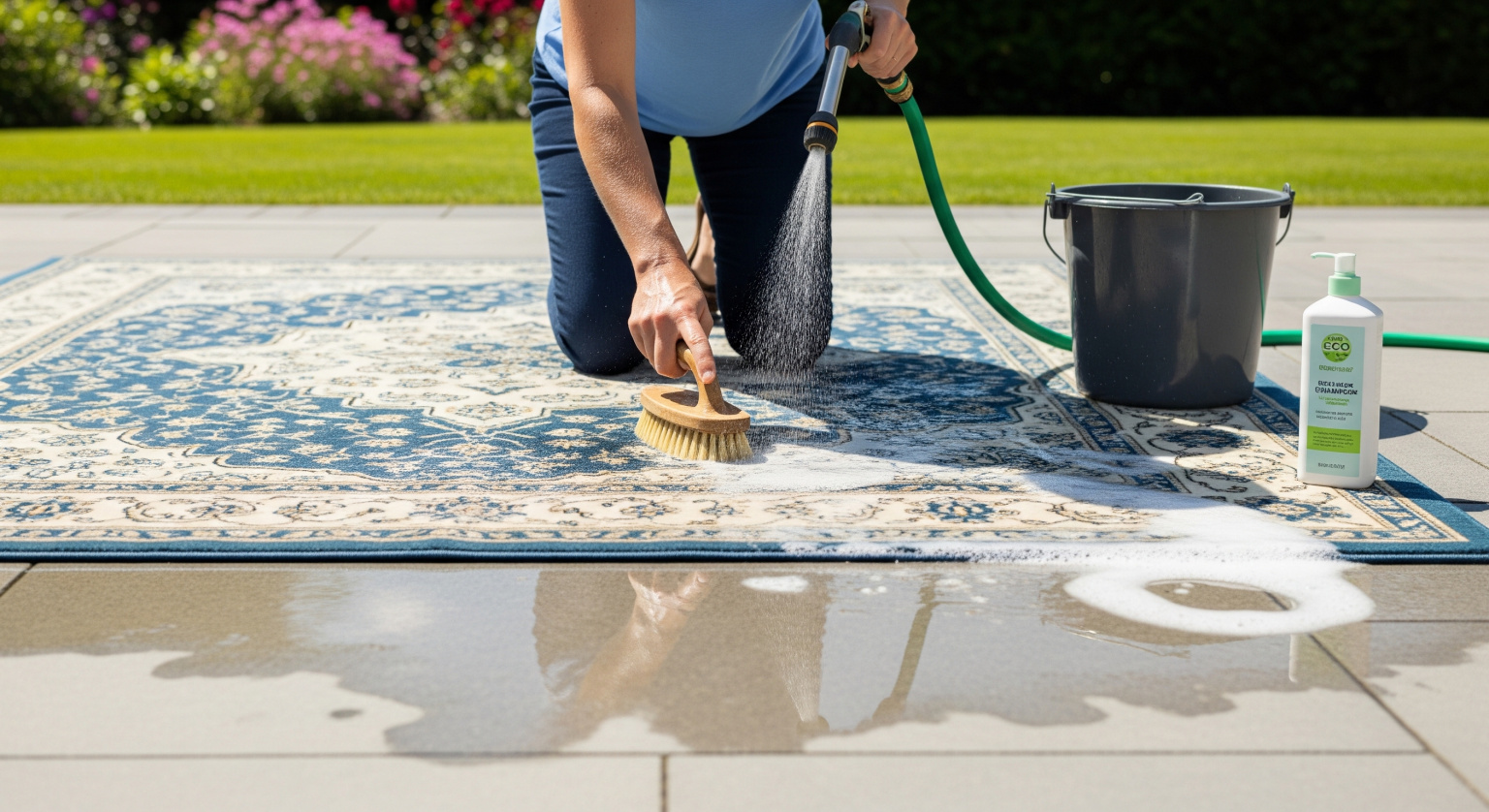
Choose an outdoor space or a bathroom with good drainage and ventilation. Lay the rug flat on a clean surface, ideally on a slight incline so water can run off naturally. Mix a mild detergent with cool water, avoiding harsh chemicals or high-alkaline cleaners. Using a soft brush or sponge, work the solution into the rug gently, following the direction of the pile rather than scrubbing aggressively. The goal is to lift dirt, not to flatten or distort fibers.
Rinsing is where many rugs are accidentally damaged, so patience matters. Use clean water to rinse in sections, ensuring all detergent residue is removed. Any soap left behind will attract dirt and leave the rug feeling stiff once dry. Avoid pressure washers or strong hose settings, as they can loosen fibers or backing. A steady, gentle rinse is far more effective and safer.
Drying, Maintenance, and Knowing When to Stop
Drying a large rug properly is just as important as washing it. Excess moisture trapped inside thick piles can lead to odors or mold growth. Lift the rug carefully and allow excess water to drain before laying it flat again. Air-dry in a shaded, well-ventilated area, turning the rug occasionally to ensure even drying on both sides. Direct sunlight should be avoided, as it can fade colors and weaken fibers over time.
Once fully dry, vacuum the rug again to lift the pile and restore texture. This final step helps the rug look refreshed rather than compacted. Regular light maintenance, such as weekly vacuuming and quick spill treatment, reduces how often deep washing is needed. For expansive floor coverings like extra-large rugs, spacing out deep washes protects structure and minimizes handling stress. Thoughtful care is always better than frequent heavy cleaning.
There are moments when home washing is not the right choice, even with the best intentions. Antique rugs, silk blends, and heavily dyed pieces often require professional care to avoid permanent damage. If the rug feels excessively heavy when wet or shows signs of backing separation, stop immediately and allow it to dry fully. Knowing when to pause is part of responsible rug ownership. A well-preserved rug enhances an interior far longer than one cleaned too aggressively.
Washing a large rug at home is less about shortcuts and more about respect for materials and scale. With careful assessment, gentle techniques, and proper drying, many large rugs can be refreshed safely without leaving the house. The process takes time, but the reward is a cleaner, healthier living space anchored by a rug that retains its beauty. Thoughtful care transforms routine maintenance into long-term preservation. In interiors where rugs play a central role, that attention makes all the difference.