
How to Select the Right Dining Table for Your Home
The dining table is the heart of a home, serving as both a functional centerpiece and a social anchor. It is where families gather for meals, friends share laughter, and memorable moments are created. Choosing the right dining table is an exercise in balancing style, scale, and lifestyle needs. A thoughtfully selected table elevates the overall aesthetic of your dining space, while also enhancing comfort and practicality. Luxury interiors demand more than mere utility; they call for a piece that reflects taste, craftsmanship, and timeless elegance.
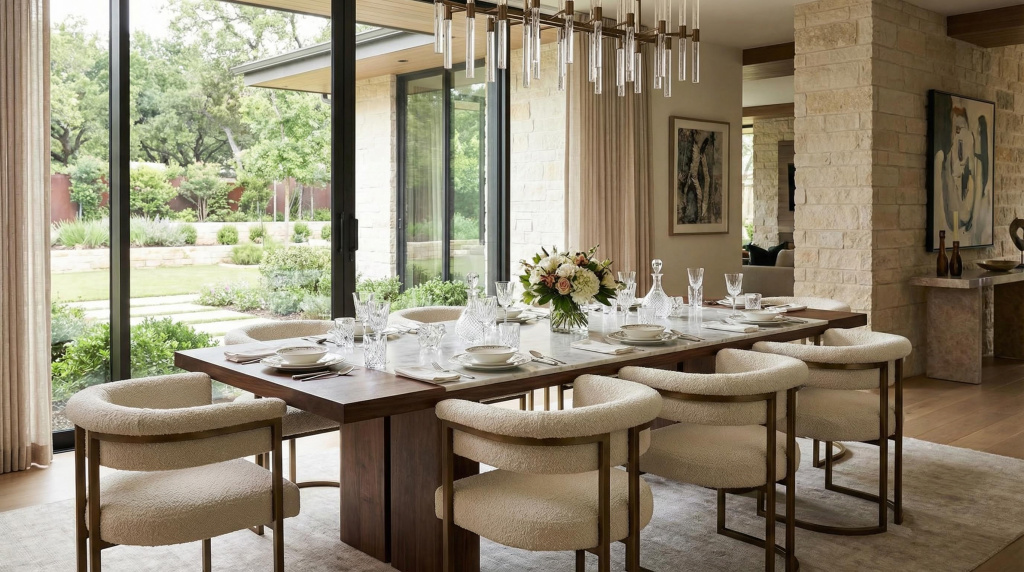
Before exploring materials and styles, it is crucial to assess the size and layout of your dining area. A table should harmonize with the room’s proportions, leaving ample space for chairs and movement. For a rectangular room, a long, narrow table often complements the dimensions, while a round table works well in square or compact spaces, encouraging conversation and intimacy. Measure your room carefully and consider the circulation space, ensuring at least 90 centimeters (approximately 3 feet) around the table for comfortable seating and movement.
Material Matters: Craftsmanship Meets Function
Luxury dining tables are defined not just by their form, but by the quality of their materials. Solid wood tables, crafted from oak, walnut, or mahogany, offer durability and a warm, timeless presence. For a contemporary statement, tempered glass or marble surfaces provide sleek sophistication while creating a visually lighter feel in the space. Consider how the material aligns with your lifestyle; wood can show wear over time but adds character, while glass or lacquered finishes may require more attentive care. For a curated selection of premium options, explore our kitchen and dining tables collection, which balances exquisite craftsmanship with practical functionality.
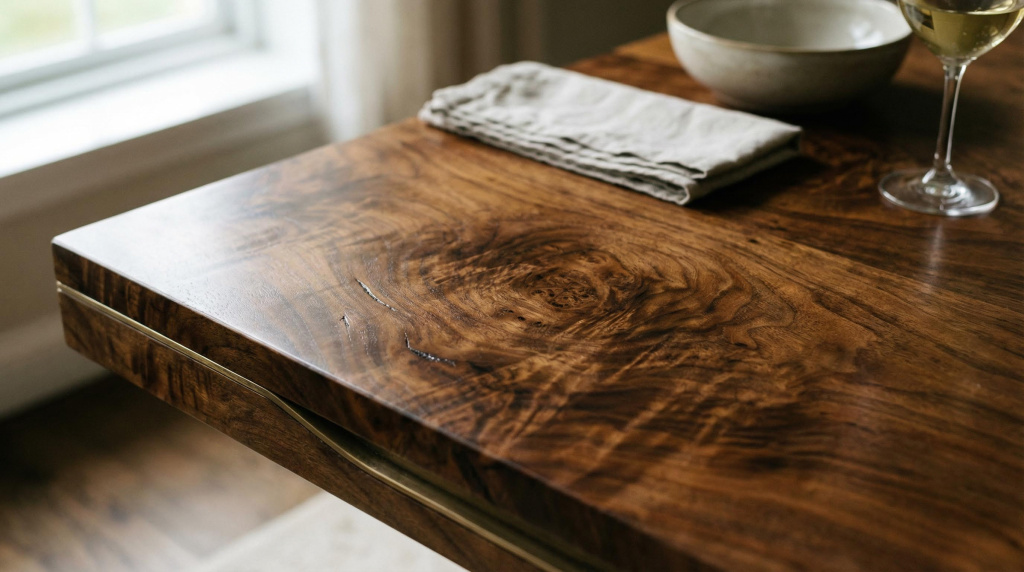
Another important consideration is the table’s structural design. Tables with extendable leaves provide versatility for hosting larger gatherings without overwhelming everyday living. Pedestal bases offer more legroom and a modern aesthetic, while traditional four-legged designs exude stability and classic elegance. Examine the joinery and finish of each piece – high-quality craftsmanship ensures that the table will endure years of use, preserving both appearance and structural integrity. For those seeking a touch of haute design, the Inedito Asnaghi collection exemplifies meticulous Italian artistry, combining luxurious materials with refined silhouettes.
Shape, Scale, and Seating Capacity
The shape of a dining table directly impacts both visual balance and usability. Rectangular tables accommodate larger groups and fit long rooms naturally, while square tables suit intimate gatherings and smaller spaces. Round or oval tables encourage inclusivity, allowing everyone to engage in conversation without hierarchical seating. When determining the ideal size, consider the number of regular users and the frequency of entertaining guests. Luxury design prioritizes proportion, ensuring that the table neither dominates the room nor appears undersized.
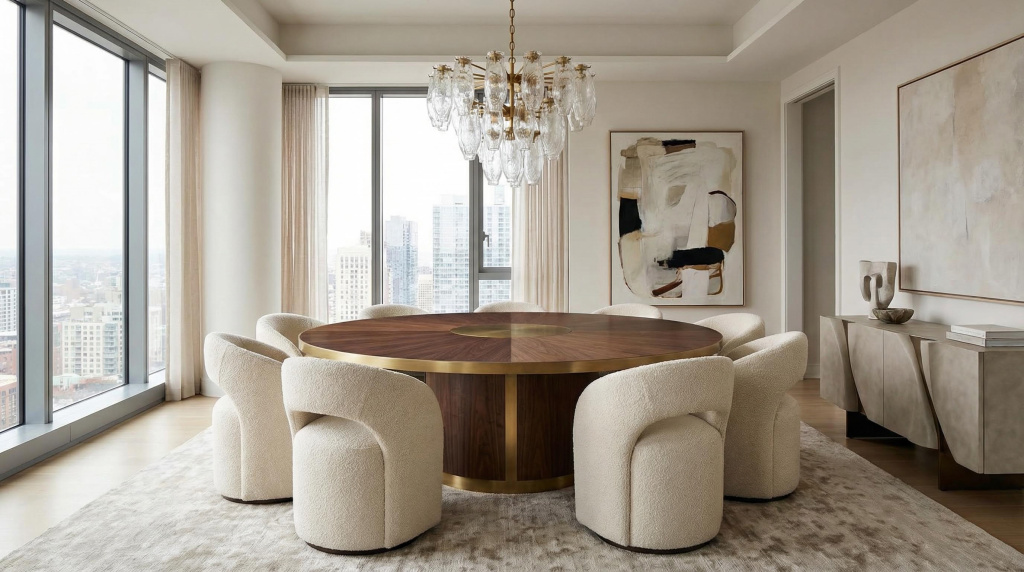
Seating arrangements are equally critical. Standard dining chairs require approximately 60 centimeters (24 inches) of table width per person, allowing ample elbow room and comfort. If using armchairs, account for additional space to prevent crowding. Matching or complementary chair styles contribute to a cohesive aesthetic, while mixed seating can inject personality and casual sophistication. Our curated luxury kitchen and dining tables collection offers options designed to pair seamlessly with high-end seating, marrying form and function in every setting.
Style Considerations: From Classic to Contemporary
The visual style of a dining table anchors the room’s interior design. Classic wooden tables with ornate detailing evoke traditional elegance, while minimalist designs with clean lines convey modern luxury. Materials, finishes, and leg styles must complement surrounding furniture, lighting, and décor. A neutral-toned table allows versatility in accessorizing with tableware, runners, or centerpieces, whereas a bold finish or sculptural base can act as a focal point. Lighting, especially pendant fixtures above the table, further enhances the dining experience and emphasizes the table’s craftsmanship.
Functionality is another key dimension of luxury dining design. Beyond the everyday, consider the table’s adaptability to seasonal gatherings, family celebrations, and entertaining guests. Extendable options, modular designs, or paired side tables provide flexibility without compromising style. Durability and maintenance remain paramount; surfaces that resist scratches, stains, and moisture ensure the table maintains its pristine condition. Investing in a high-quality dining table is an investment in both lifestyle and lasting beauty.
Final Tips for a Luxurious Dining Experience
Selecting the perfect dining table involves more than aesthetics; it is a confluence of space planning, material excellence, comfort, and lifestyle alignment. Measure your space carefully, consider daily use versus special occasions, and choose materials that reflect both taste and practicality. Explore reputable collections like SayRUG kitchen and dining tables and the Inedito Asnaghi range to find pieces that embody superior craftsmanship and timeless style. By balancing proportion, style, and function, your dining table can elevate everyday meals into curated experiences, creating a central hub that is both beautiful and enduring.
Ultimately, a dining table is more than furniture – it is an investment in shared moments, conversations, and memories. Selecting a piece that harmonizes with your home’s design and your lifestyle ensures that each meal becomes a celebration of style and comfort. In luxury interiors, attention to detail in the dining area reflects the broader philosophy of thoughtful living, where every element, from table to chair to décor, contributes to a cohesive and inviting environment.