
How to Arrange Furniture in a Small Space Without Compromising Style
Living in a small space does not mean settling for cramped, awkward, or visually cluttered interiors. In fact, limited square footage often pushes design decisions to be more thoughtful, intentional, and ultimately more stylish. The way furniture is arranged can determine whether a room feels breathable and balanced or tight and chaotic. Good layout planning allows even the smallest home to function efficiently while still expressing personality and comfort.
Furniture arrangement is not about fitting as much as possible into a room, but about choosing what truly belongs there and positioning it with purpose. Every item should earn its place, either by function, visual weight, or emotional value. When furniture works with the architecture instead of against it, the space begins to feel larger than its actual dimensions. This article explores practical, design-driven strategies that help small spaces feel open, organized, and intentionally styled.
Start With Function, Not Furniture
Before moving a single chair or buying a new piece, it is essential to define how the space needs to function on a daily basis. A living room might need to support lounging, working, and hosting guests, while a bedroom may double as a dressing area or reading nook. Clarifying priorities prevents overcrowding and helps eliminate furniture that serves no real purpose. Function-driven planning is the foundation of any successful small-space layout.
Once the primary functions are defined, furniture selection becomes more strategic. Instead of defaulting to standard layouts, think in terms of zones, even within a single room. A sofa can define a seating area, while a rug or side table can subtly separate functions without physical barriers. Well-chosen small rugs are especially effective in anchoring zones, creating visual order while keeping the floor plan open.
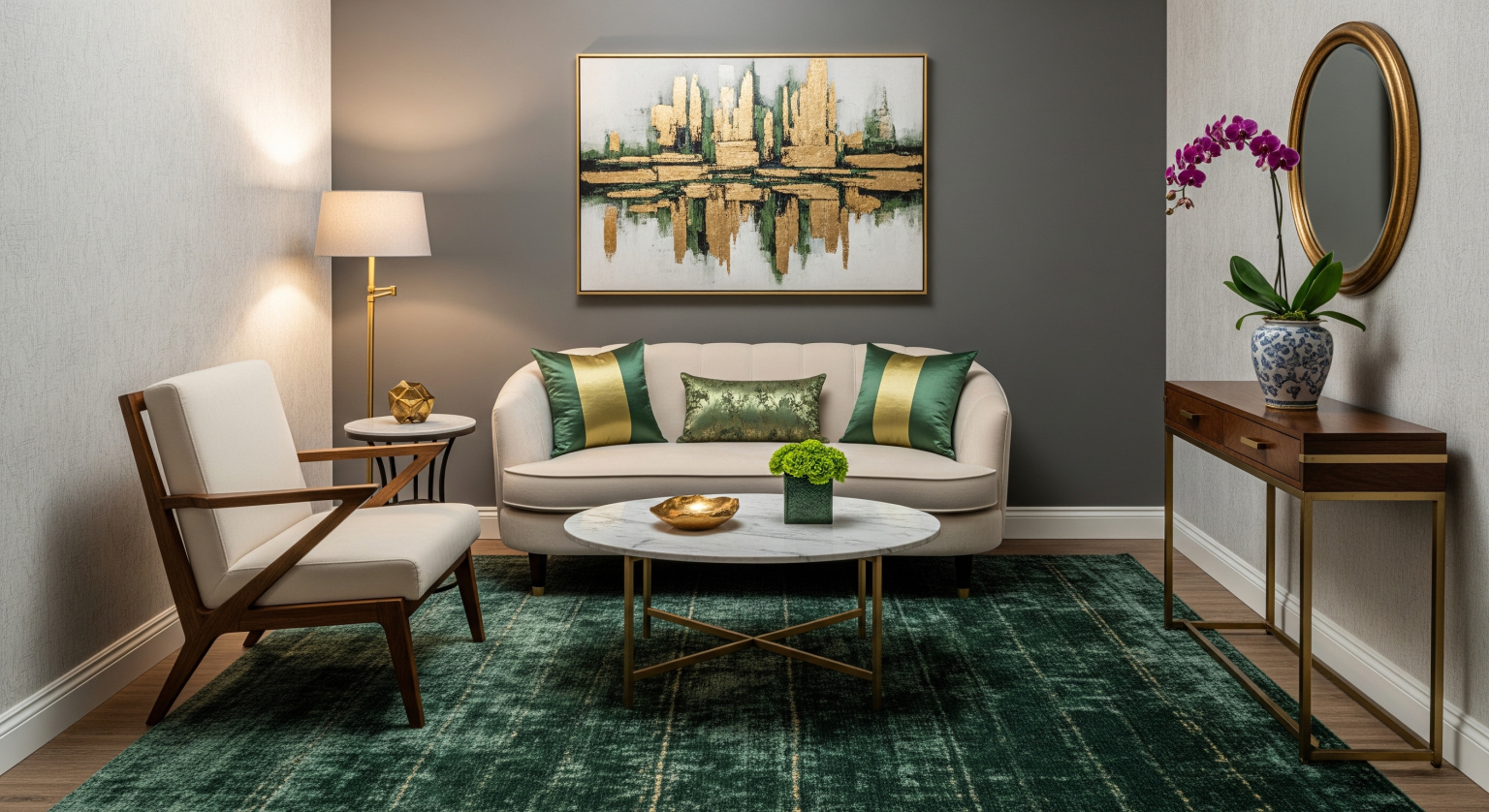
Function-first planning also encourages flexibility. Lightweight furniture, nesting tables, or pieces on discreet casters allow the room to adapt as needed. This adaptability is crucial in compact homes where a single space may host multiple activities throughout the day. When furniture supports movement rather than restricts it, the room feels dynamic instead of confined.
Scale, Proportion, and Visual Breathing Room
One of the most common mistakes in small spaces is choosing furniture that is oversized for the room. While a large sectional or bulky dresser may look appealing in isolation, it can overwhelm limited square footage. Scale matters more than quantity, and pieces should relate harmoniously to both the room and each other. Slim profiles, exposed legs, and lower-backed seating often feel lighter and less intrusive.
Equally important is allowing for visual breathing room. Furniture should not be pressed against every wall by default, nor should pathways feel forced or narrow. Leaving small gaps between pieces creates a sense of flow and prevents the space from feeling boxed in. Even a few inches of negative space can significantly improve how a room is perceived.
Vertical proportion plays a subtle but powerful role as well. Taller, narrower pieces draw the eye upward, making ceilings feel higher and rooms feel more expansive. A well-designed dresser, for example, can offer generous storage without consuming too much floor area. Thoughtfully selected designer dressers balance height and depth, providing storage while maintaining visual elegance.
Consistency in scale across the room also matters. Mixing overly large pieces with very small ones creates imbalance and visual tension. When furniture shares a similar visual weight, the room feels calmer and more cohesive. This cohesion is especially valuable in small spaces, where every object competes for attention.
Create Clear Circulation Paths
Movement is often overlooked in furniture arrangement, yet it is critical in small interiors. Clear circulation paths ensure that the room is easy to navigate without weaving awkwardly around obstacles. Ideally, there should be a natural flow from entry points to key areas, such as seating, storage, or windows. When circulation is intuitive, the room feels larger and more comfortable.
To achieve this, avoid blocking doorways, windows, or natural walking paths with furniture. Instead of centering everything symmetrically, allow layout decisions to follow how people actually move through the space. In many cases, shifting a sofa slightly off-center or angling a chair can dramatically improve circulation. The goal is not perfect symmetry, but effortless movement.
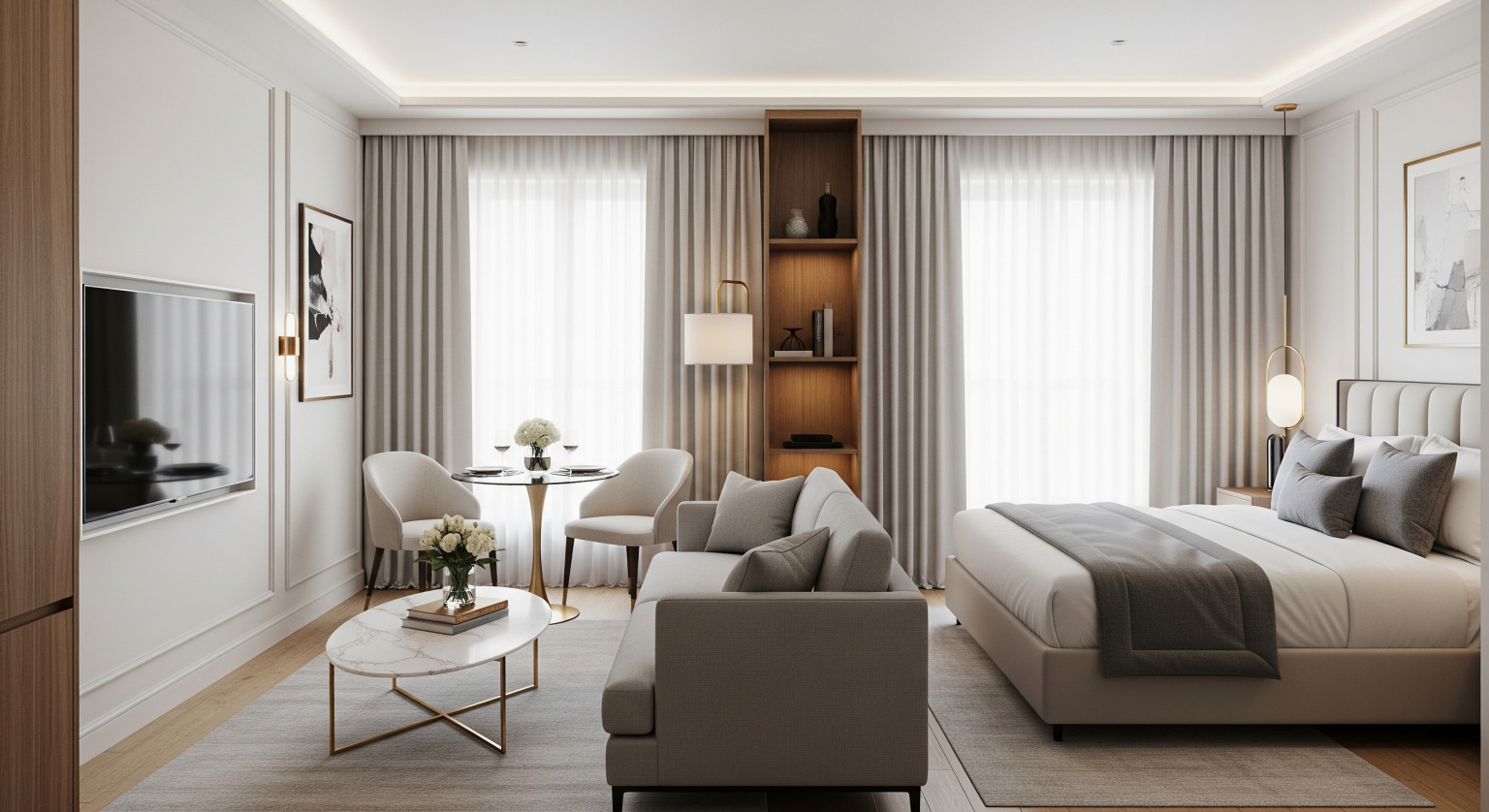
Circulation also applies visually. Sightlines should remain as open as possible, especially toward windows or focal points. Low-profile furniture helps maintain these lines, allowing light and the eye to travel freely across the room. When the gaze is uninterrupted, the space feels less confined and more expansive.
Use Multi-Functional and Accent Pieces Strategically
In small spaces, furniture often needs to do more than one job. Multi-functional pieces reduce clutter by combining utility into a single object. Ottomans with hidden storage, benches that serve as seating and shelving, or tables that expand when needed all contribute to efficiency. The key is choosing pieces that perform multiple roles without appearing bulky or over-designed.
Accent furniture, when chosen carefully, can enhance both function and style. Side tables, for instance, offer surfaces for lighting, books, or décor while occupying minimal space. Elegant Italian side tables are particularly effective in small rooms because they often feature refined proportions and sculptural forms. These pieces add visual interest without overwhelming the layout.
Placement is just as important as selection. Accent pieces should support the main furniture rather than compete with it. A side table tucked beside a sofa or bed should feel intentional and accessible, not squeezed in as an afterthought. When every piece has a clear role and position, the room feels curated rather than crowded.
Finally, restraint is essential. Even the most beautiful furniture loses impact when overused. Choosing fewer, better pieces allows each one to stand out while keeping the space open and livable. In small interiors, simplicity often leads to the most sophisticated results.
Arranging furniture in a small space is ultimately an exercise in balance, awareness, and intention. By prioritizing function, respecting scale, maintaining clear circulation, and selecting versatile pieces, even compact rooms can feel generous and refined. Thoughtful layouts transform limitations into design opportunities, proving that style is not measured in square meters, but in smart decisions.