
Accent Lighting: Definition, Purpose, and How It Transforms Interior Spaces
Accent lighting is one of the most misunderstood yet powerful tools in interior design. Often overshadowed by general illumination or task lighting, it plays a quieter but more expressive role, shaping how a space feels rather than simply how it functions. At its core, accent lighting is designed to draw attention to specific elements within a room, whether architectural details, artwork, textures, or focal objects. When used thoughtfully, it creates depth, contrast, and visual hierarchy that flat ambient light cannot achieve.
Unlike primary lighting, which focuses on visibility and coverage, accent lighting is selective and intentional. It tells the eye where to look and subtly guides movement through a space. A well-designed interior rarely relies on a single lighting layer, and accent lighting is what elevates a room from functional to refined. Without it, even the most beautifully furnished spaces can feel flat, static, or unfinished.
The growing popularity of layered lighting schemes has pushed accent lighting into the spotlight. Designers now view it not as an optional flourish but as an essential component of spatial storytelling. Whether in residential interiors, hospitality settings, or high-end retail environments, accent lighting defines atmosphere and mood with precision. Understanding how it works and where it belongs is key to creating interiors that feel curated rather than merely decorated.
What Defines Accent Lighting in Interior Design
Accent lighting is characterized by its focused beam and higher intensity relative to surrounding light sources. Its purpose is not to illuminate an entire room but to highlight a particular feature, creating contrast between light and shadow. This contrast adds dimension and visual interest, making spaces feel layered and intentional. Without contrast, interiors can appear washed out, regardless of how expensive the furnishings may be.
In practical terms, accent lighting is often three times brighter than ambient lighting in the area it highlights. This ratio ensures that the feature stands out without overpowering the room. Designers use this principle to spotlight artwork, sculptural furniture, textured walls, or architectural elements like niches and columns. The effect is subtle but powerful, shaping perception rather than demanding attention.
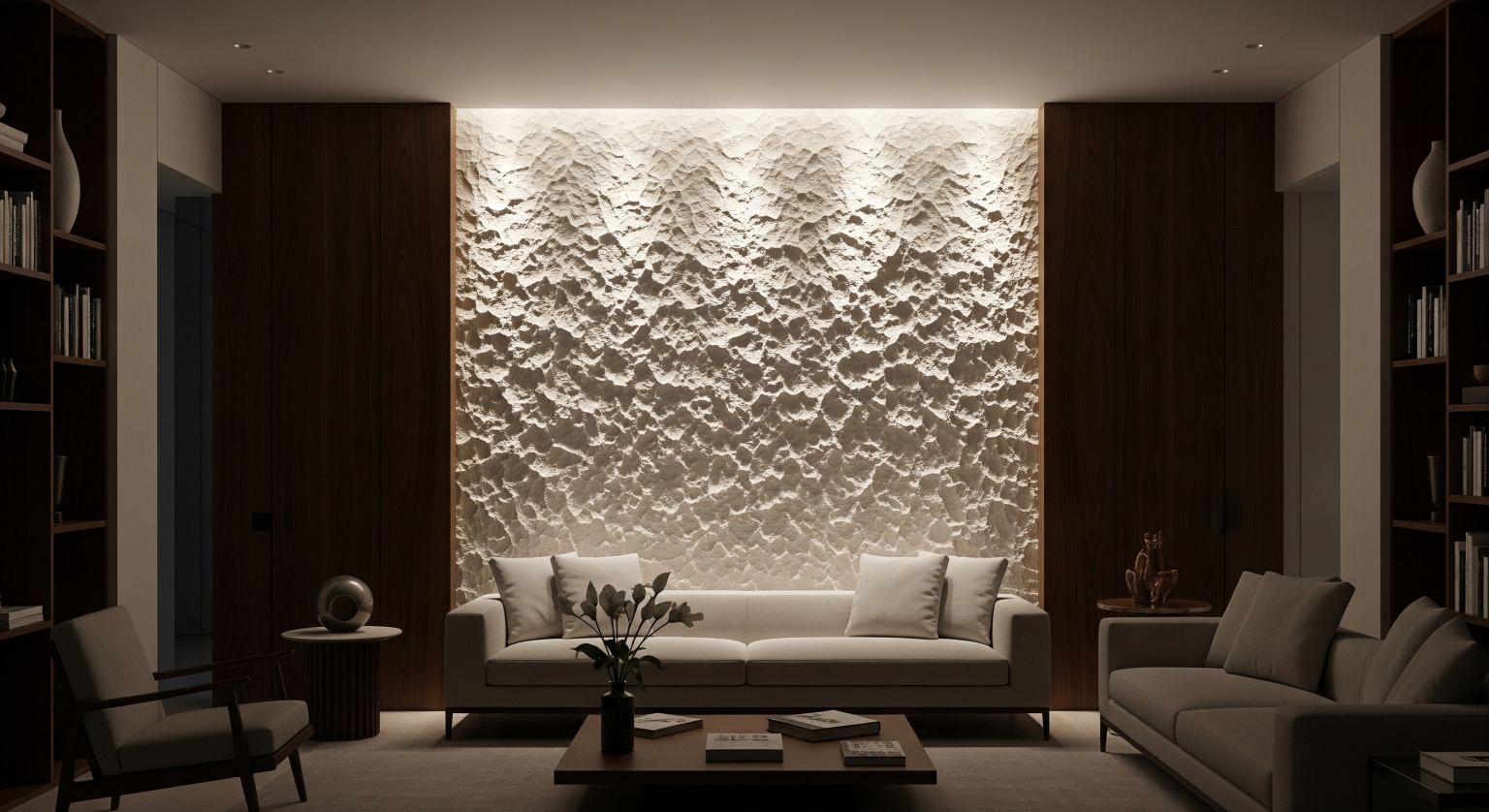
Accent lighting also contributes to emotional resonance. A softly illuminated painting or a warmly lit stone wall creates intimacy and focus, encouraging people to pause and engage. In this way, accent lighting becomes part of the narrative of a space, supporting how it is experienced rather than simply how it looks. Its success lies in restraint, precision, and thoughtful placement.
Common Types of Accent Lighting Fixtures
Several lighting fixtures are commonly used to achieve accent lighting, each offering a different visual effect. Wall-mounted fixtures such as sconces are particularly effective for highlighting vertical surfaces and adding rhythm along corridors or feature walls. These fixtures create pools of light that emphasize texture and depth while maintaining a refined, architectural feel. When carefully spaced, they can turn plain walls into design features.
Directional lighting, including track lights and adjustable spotlights, offers flexibility and precision. These fixtures are often used in galleries, living rooms, and dining spaces where artwork or decorative objects may change over time. Their ability to be repositioned allows the lighting scheme to evolve without requiring major structural changes. This adaptability makes them a favorite in contemporary interiors.
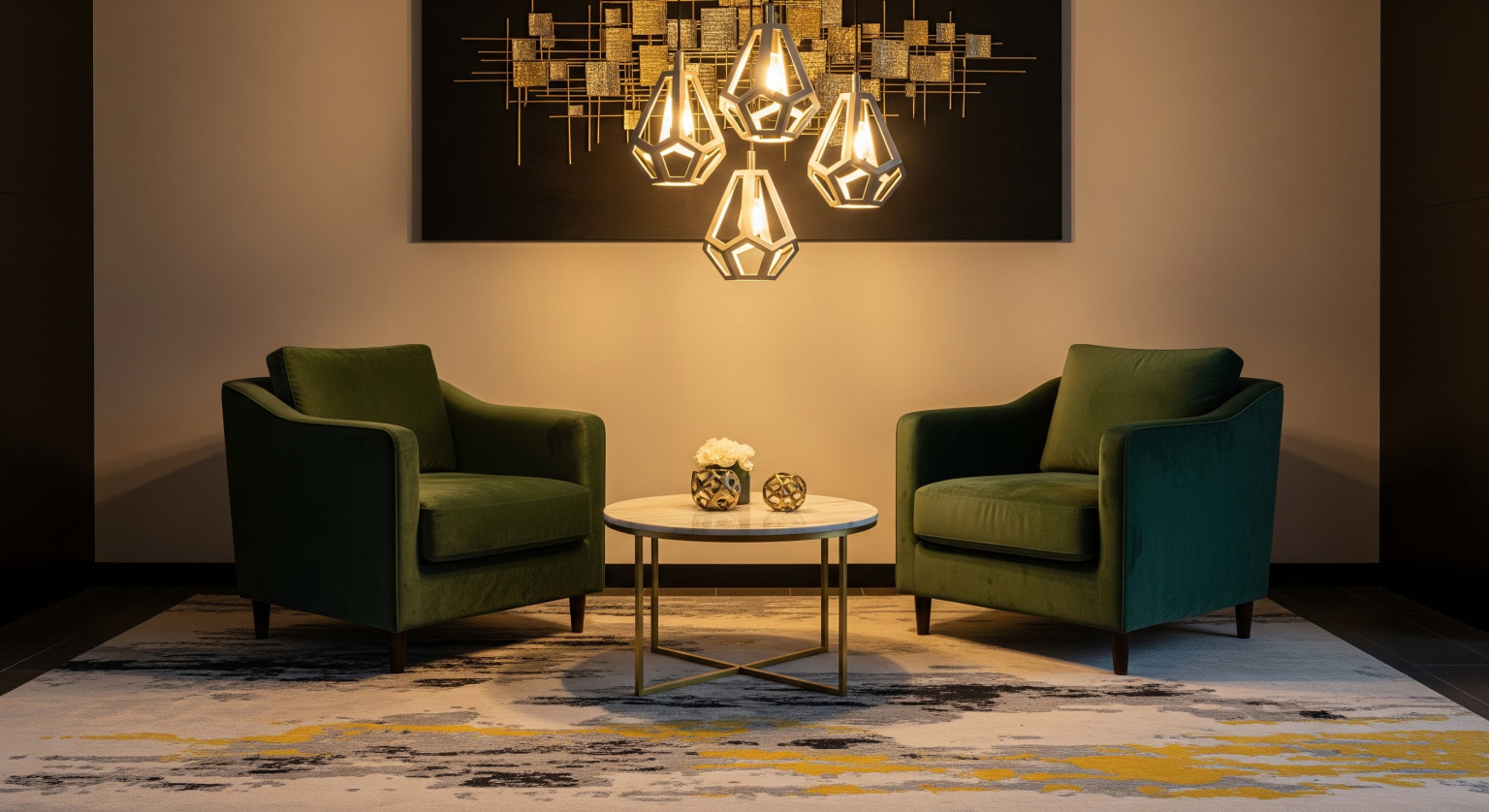
Decorative lighting elements such as pendant lights and chandeliers can also function as accent lighting when used selectively. A sculptural pendant above a seating area or a statement chandelier in a double-height space draws the eye upward and anchors the room visually. When chosen with intention, these pieces blur the line between illumination and art, adding both character and focus. For example, curated collections of pendant lights can act as accent features while still contributing to overall lighting balance.
How Accent Lighting Shapes Mood and Perception
Accent lighting has a profound effect on how a space is perceived emotionally. By selectively illuminating certain areas and leaving others in shadow, it creates a sense of intimacy and drama. This technique is particularly effective in living rooms, bedrooms, and hospitality spaces where atmosphere matters as much as function. Light becomes a tool for storytelling rather than simple illumination.
Strategic accent lighting can also influence the perceived size and proportions of a room. Highlighting vertical elements draws the eye upward, making ceilings appear higher. Illuminating the perimeter of a space can create the illusion of width and openness. Conversely, focusing light inward can make large spaces feel more contained and comfortable.
Color temperature plays an important role in accent lighting’s emotional impact. Warm tones tend to enhance comfort and richness, especially when highlighting natural materials like wood or stone. Cooler tones can emphasize modern finishes and create a crisp, contemporary feel. The choice should always align with the overall design intent and the function of the space.
Integrating Accent Lighting Into a Layered Lighting Plan
Accent lighting works best when integrated into a layered lighting strategy that includes ambient and task lighting. Ambient lighting provides overall illumination, while task lighting supports specific activities such as reading or cooking. Accent lighting then adds the final layer, bringing focus and refinement to the design. Without this balance, accent lighting can feel either ineffective or overpowering.
Planning accent lighting should begin early in the design process. Identifying focal points, architectural features, and key decorative elements helps determine where accent lighting will have the greatest impact. This foresight ensures that wiring, placement, and fixture selection align seamlessly with the overall layout. Retrofitting accent lighting later is possible, but it often involves compromises.
Wall-mounted fixtures are particularly effective in layered schemes because they operate independently of ceiling lighting. Thoughtfully selected wall lights and sconces can highlight artwork, frame mirrors, or add depth to transitional spaces like hallways. Their vertical orientation complements overhead lighting, creating a more complete and visually engaging environment.
In statement spaces, accent lighting can be elevated through decorative fixtures that double as focal points. A dramatic chandelier, for instance, can serve as an accent element when paired with softer ambient lighting. Carefully chosen luxury chandeliers add sculptural presence while contributing to the overall lighting narrative. The key is to ensure that these pieces enhance rather than dominate the space.
Ultimately, accent lighting is about intention and restraint. It should feel integrated, not added as an afterthought. When thoughtfully designed, it enhances architectural details, supports the mood of a space, and brings depth to interiors that might otherwise feel one-dimensional. Accent lighting does not shout; it whispers, guiding the eye and enriching the experience of a room in ways that are both subtle and lasting.